Short Answer
Have you ever drawn the Death card in a tarot reading and felt a pang of dread, only to be told it doesn’t mean literal death? If so, you’re not alone. The Death card is one of the most misunderstood cards in the deck, often sparking fear before its true message is revealed. In this guide, we’ll explore what the Death card *actually* means, why it’s not about physical demise, and how it can signal transformation, endings, and new beginnings. By the end, you’ll see why this card is less about doom and more about rebirth—like a phoenix rising from ashes.
The Death Card: More About Transformation Than Doom
The Death card, often numbered XIII in the Major Arcana, is a powerful symbol of change. While its skeletal figure and scythe might suggest destruction, the card’s essence is about shedding the old to make way for the new. Think of it as nature’s cycle: autumn leaves fall to nourish the soil, allowing spring blooms to emerge. In tarot, this card represents transitions—whether in relationships, careers, or personal growth—that are necessary for progress.
When the Death card appears, it’s asking you to reflect: What parts of your life are no longer serving you? This could mean ending a toxic relationship, leaving a stagnant job, or releasing outdated beliefs. The card doesn’t demand chaos; it invites you to embrace change willingly. The scythe isn’t a weapon—it’s a tool for clearing away what’s obsolete, much like a gardener pruning dead branches to encourage new growth.
Historically, the Death card’s imagery has roots in medieval allegories of mortality, but modern interpretations focus on psychological and spiritual renewal. It’s less about physical death and more about the death of old patterns, habits, or identities. For example, if you’ve been clinging to a self-image that no longer fits, the Death card signals it’s time to let go and step into a truer version of yourself.
Why the Death Card Isn’t About Literal Death
One of the biggest misconceptions about the Death card is its association with physical death. While tarot can touch on mortality, the Death card rarely points to literal demise unless the context is extreme (e.g., a reading about a serious illness). Instead, it’s about metaphorical death—the end of a phase, a mindset, or a situation. The card’s energy is transformative, not destructive.
Consider the card’s symbolism: the rising sun in the background hints at new beginnings, while the armored figure on the horse suggests protection during transition. Even the card’s traditional name, “The Death,” is a nod to the Latin *Mors*, which means “change” or “transformation.” In many decks, the figure on the card is depicted as a skeleton to emphasize that all things must eventually pass—whether it’s a job, a belief, or a relationship. The skeleton isn’t a grim reaper; it’s a reminder that endings are a natural part of life’s rhythm.
If the Death card appears in a reading about health, it might indicate the end of a treatment phase or the need to “die” to an old way of living (e.g., quitting smoking). In career readings, it could signal leaving a dead-end job for a more fulfilling path. The key is to look at the surrounding cards and the question asked. The Death card’s message is almost always about renewal, not ruin.
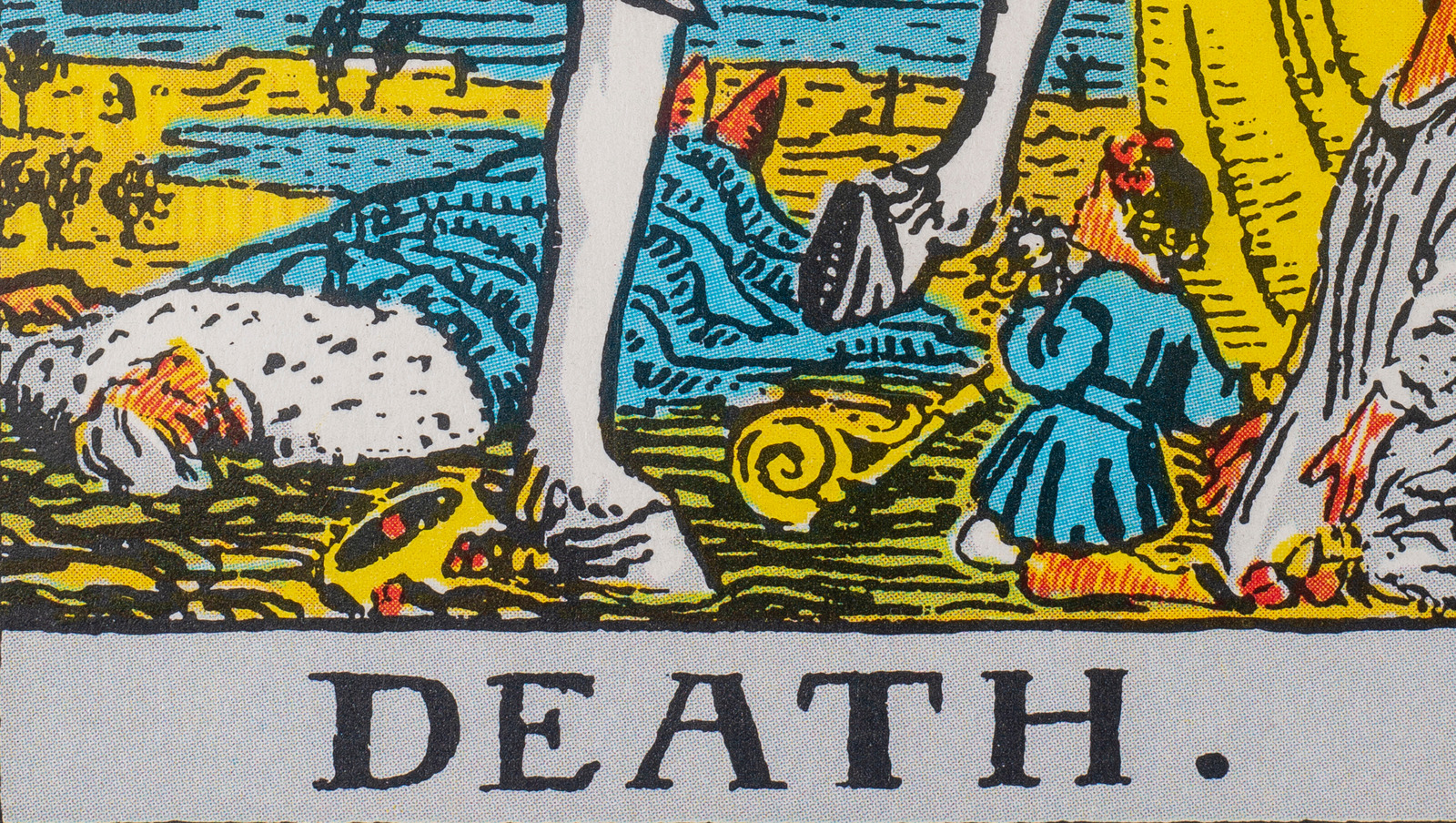
In this image, the Death card from the Rider-Waite-Smith deck shows the armored figure holding a black flag with a white rose—a symbol of purity amid change. The rising sun in the background reinforces the idea that even in endings, there’s hope for a new dawn.
Common Misinterpretations and How to Avoid Them
It’s easy to misread the Death card, especially if you’re new to tarot. One common mistake is assuming the card always predicts a dramatic event. While it can indicate upheaval, it’s more likely pointing to gradual shifts. For instance, a slow decline in a relationship’s quality might culminate in the Death card, signaling it’s time to walk away—not because of a sudden tragedy, but because the connection has naturally run its course.
Another misconception is that the Death card is always negative. In reality, it’s one of the most empowering cards in the deck. It reminds you that endings are necessary for growth. Think of it like a software update: your old operating system might be familiar, but the new one brings improvements. The Death card is your update notice.
To avoid fear-based interpretations, ask yourself:
- What old habits or beliefs am I holding onto that no longer serve me?
- What am I afraid to let go of, and why?
- What new opportunities might emerge if I embrace this change?
By reframing the Death card as a catalyst for positive change, you’ll see it as a guide rather than a warning.
How the Death Card Manifests in Different Areas of Life
The Death card’s message can vary depending on the context of your reading. Here’s how it might appear in different life areas:
Relationships
In love readings, the Death card often signals the end of a relationship that’s no longer healthy. This could mean a breakup, a divorce, or simply letting go of an unfulfilling partnership. The card doesn’t imply failure; it suggests that both parties are evolving in different directions. For example, if you’ve outgrown a relationship, the Death card confirms it’s time to move on. It’s not about destruction—it’s about making space for a love that aligns with your current self.
Career
In career contexts, the Death card might indicate leaving a job that drains you or pursuing a new path entirely. It could also represent the end of a project or a company’s lifecycle. For entrepreneurs, it might signal the need to pivot or innovate. The card encourages you to ask: Is this still serving my highest good? If the answer is no, the Death card is your permission slip to walk away.
Personal Growth
On a personal level, the Death card is about shedding old identities. Maybe you’ve been playing a role that doesn’t reflect who you are anymore—a people-pleaser, a perfectionist, or someone stuck in the past. The card invites you to “die” to that version of yourself and rebirth into authenticity. It’s a call to embrace vulnerability and growth, even if it feels uncomfortable.
Spirituality
In spiritual readings, the Death card can signify a major awakening or a shedding of dogma. It might indicate the end of a spiritual practice that no longer resonates or the need to release limiting beliefs about the divine. The card encourages you to trust the process of transformation, even if it feels like you’re losing your way temporarily.
Practical Steps to Work with the Death Card’s Energy
When the Death card appears, it’s not just a passive message—it’s an invitation to act. Here’s how you can harness its energy:
1. Reflect on What Needs to End
Grab a journal and list the things in your life that feel stagnant or draining. This could be a toxic friendship, a self-sabotaging habit, or a goal that no longer excites you. Be honest with yourself about what’s holding you back.
2. Ritualize the Release
Create a small ritual to symbolize letting go. Write down what you’re releasing on a piece of paper and burn it (safely!) or bury it. Alternatively, visualize the old version of yourself dissolving into light, making space for the new. Rituals help your subconscious process change more deeply.
3. Embrace the Unknown
Change can feel scary, but the Death card reminds you that the unknown isn’t always dangerous—it’s where growth happens. Trust that even if the path ahead is unclear, you have the strength to navigate it. Start small: take one step toward a new habit, relationship, or project that excites you.
4. Seek Support
If the Death card’s energy feels overwhelming, don’t hesitate to reach out to friends, mentors, or a therapist. Change is easier when you’re not doing it alone. Sometimes, just talking about your fears can make them feel more manageable.
5. Watch for Synchronicities
The Death card often appears during pivotal moments. Pay attention to signs around you—a song on the radio, a conversation with a stranger, or a sudden urge to declutter. These could be the universe’s way of confirming you’re on the right path.
Conclusion
The Death card is a misunderstood gem in the tarot deck, often feared before its true power is recognized. Far from predicting doom, it’s a herald of transformation, urging you to release what no longer serves you so you can embrace new beginnings. Whether it’s a relationship, a career, or a belief system, the Death card reminds you that endings are not the enemy—they’re the necessary precursor to growth.
Next time you draw this card, take a deep breath and ask: What is ready to die so something new can live? The answer might surprise you. The Death card isn’t a warning; it’s an invitation to evolve.
FAQ
What does the Death card mean in tarot?
The Death card symbolizes transformation and the end of a phase, encouraging personal growth and change rather than indicating literal death.
Is the Death card always negative?
No, the Death card is often empowering, suggesting that endings are necessary for new beginnings and growth.
Leave a Reply