Short Answer
Welcome to a deep exploration of Frailty Tarot – The Card That Breaks, a concept that transcends traditional tarot interpretations. In this guide, you’ll uncover the symbolic layers, psychological resonance, and cultural significance of this intriguing card. Whether you’re a tarot enthusiast, a seeker of metaphorical wisdom, or simply curious about the darker corners of divination, this article will illuminate the unique appeal of Frailty Tarot. Prepare to challenge your perceptions and embrace the raw, unfiltered truth behind this often-overlooked archetype.
The Metaphorical Heart of Frailty Tarot
Frailty Tarot is not merely a card—it’s a mirror reflecting the delicate balance between strength and vulnerability. Unlike the towering figures of Major Arcana cards like The Tower or The Chariot, Frailty Tarot embodies the quiet, often ignored aspects of human experience: the cracks in the facade, the moments of collapse, and the raw honesty of imperfection. This card doesn’t glorify fragility; it celebrates it as a necessary part of growth. In a world obsessed with resilience and unyielding determination, Frailty Tarot whispers that breaking is not failure—it’s a prelude to transformation.
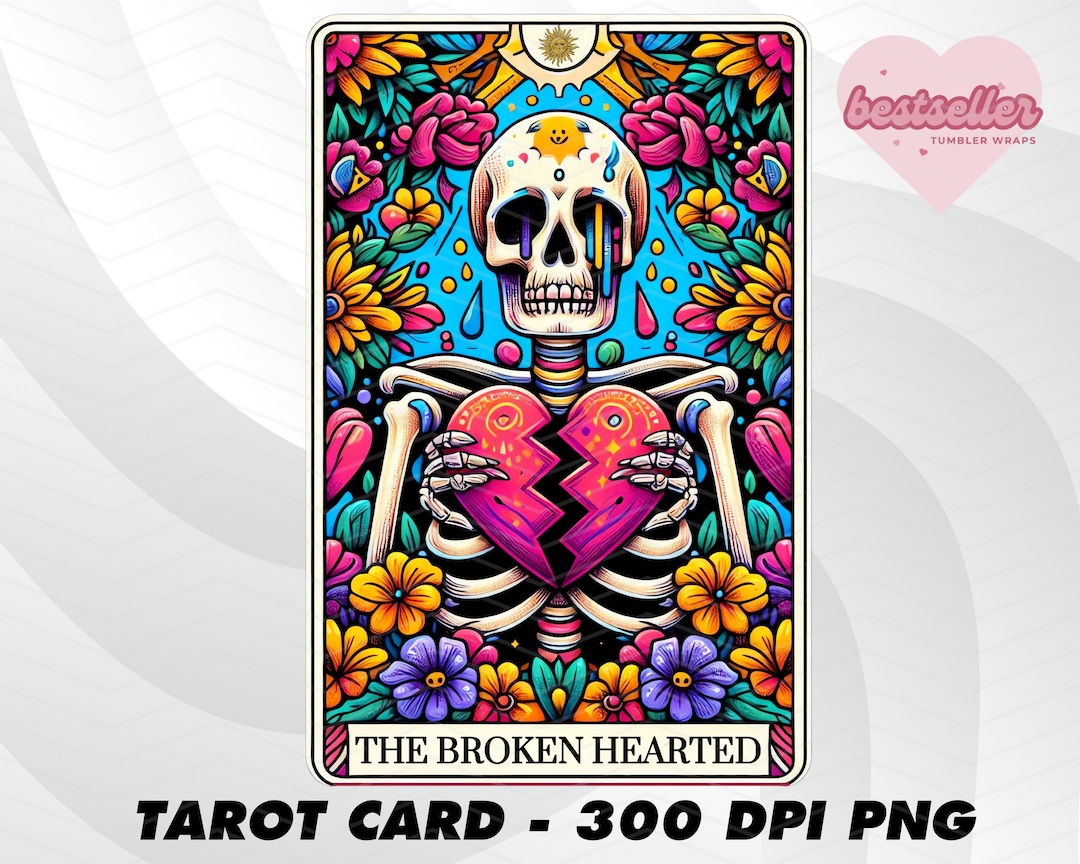
The imagery of Frailty Tarot often features fragmented objects, shattered glass, or wilting flowers—symbols that evoke both loss and renewal. The card’s visual language is deliberately unsettling, forcing the viewer to confront the inevitability of decay. Yet, within this decay lies a paradox: the very act of breaking can reveal hidden strengths. Think of a vase that shatters, only to be reassembled into a mosaic of greater beauty. Frailty Tarot asks us to see our own fractures not as weaknesses, but as the raw material for something new.
Psychological Resonance: Why Frailty Tarot Strikes a Chord
Frailty Tarot resonates deeply with modern psychology, particularly the concept of post-traumatic growth. Research in positive psychology shows that adversity, when processed with intention, can lead to profound personal development. Frailty Tarot encapsulates this idea, framing vulnerability as a gateway to deeper self-awareness. The card doesn’t just depict fragility—it normalizes it, inviting us to embrace our emotional and psychological cracks as part of the human condition.
Consider the card’s relationship to the Hermit or The Moon in traditional tarot decks. While those cards often symbolize introspection or illusion, Frailty Tarot takes a more visceral approach. It’s the card of the person who finally admits, “I can’t do this alone,” or the moment when a long-held facade crumbles under pressure. This card thrives in the space between denial and acceptance, urging us to confront our limitations rather than suppress them. In therapy, this might translate to the breakthrough moment when a client stops fighting their emotions and instead learns to sit with them.
The psychological appeal of Frailty Tarot also lies in its rejection of toxic positivity. In a culture that often demands constant optimism, this card validates the full spectrum of human emotion—grief, exhaustion, and despair included. It’s a reminder that healing isn’t linear, and that sometimes, the healthiest thing we can do is let ourselves break before we can rebuild.
Cultural and Historical Context: The Evolution of a Forgotten Archetype
Frailty Tarot doesn’t appear in traditional decks like the Rider-Waite-Smith or Thoth, but its themes echo throughout history in myths, religious texts, and art. The concept of fragility as sacred can be traced back to ancient Greek tragedies, where heroes like Oedipus or Medea are undone by their own flaws—yet their downfalls reveal deeper truths about human nature. Similarly, in Christian iconography, the Virgin Mary is often depicted holding the broken body of Christ, a visual metaphor for the fragility of life and the inevitability of loss.
In modern times, Frailty Tarot has found a home in alternative spiritual movements that prioritize authenticity over perfection. Decks like The Wild Unknown or Light Seer’s Tarot incorporate fragmented imagery or shattered objects to represent emotional breakdowns as part of a larger journey. The card’s absence from classic decks might even be intentional—a silent acknowledgment that some truths are too raw for mainstream tarot, reserved instead for those who seek them out deliberately.
Literature and film also explore Frailty Tarot’s themes. Think of the protagonist in Sylvia Plath’s The Bell Jar, whose mental breakdown becomes a crucible for self-discovery, or the characters in Kazuo Ishiguro’s Never Let Me Go, who confront their own fragility in a world that denies it. These narratives, like Frailty Tarot, suggest that breaking is not the end—it’s the first step toward a more honest, if uncomfortable, existence.

Practical Applications: How to Work with Frailty Tarot
Frailty Tarot isn’t just a card to pull in a reading—it’s a tool for transformation. Here’s how to integrate its wisdom into your life:
- In Readings: Pull Frailty Tarot when you’re feeling overwhelmed by expectations (your own or others’) to remind yourself that breaking is part of the process. Ask the card: “What am I refusing to let myself feel?”
- In Journaling: Write a letter to your “broken” self—the part of you that’s exhausted, hurt, or afraid. Acknowledge its pain without rushing to “fix” it. Frailty Tarot teaches that healing begins with acceptance, not action.
- In Ritual: Create a small altar with broken objects (a chipped cup, a torn photograph) to symbolize the beauty of imperfection. Light a candle and meditate on the idea that your cracks are where the light gets in.
- In Relationships: Use Frailty Tarot to practice vulnerability with trusted friends or partners. Share a moment of fragility without fear of judgment. The card’s energy thrives in spaces where honesty is met with compassion.
When Frailty Tarot appears in a spread, it’s often a sign to slow down, surrender control, and trust the process of decay. It’s not a card of doom—it’s a card of permission. Permission to fall apart, to feel lost, to admit that you can’t handle everything alone. In doing so, you make room for something stronger to emerge.
Frailty Tarot in Art and Pop Culture: A Visual Language of Breakdown
Artists and creators have long used imagery of fragmentation to evoke Frailty Tarot’s themes. In surrealist paintings, shattered mirrors or cracked porcelain often symbolize the shattering of illusions. Photographers like Francesca Woodman captured the ephemeral nature of existence through images of decaying bodies or dissolving forms. Even in music, artists like Fiona Apple or Radiohead use dissonant sounds and broken lyrics to mirror emotional fractures.
In pop culture, Frailty Tarot’s influence is subtle but pervasive. Consider the Harry Potter series, where characters like Neville Longbottom or Luna Lovegood embody the card’s energy—outsiders who break under pressure but ultimately rebuild themselves into something more resilient. Or the Studio Ghibli film Howl’s Moving Castle, where the protagonist’s physical transformation into an old woman mirrors her emotional unraveling, leading to a deeper understanding of herself.
These examples show that Frailty Tarot isn’t confined to tarot decks. It’s a universal language that speaks to anyone who’s ever felt their world splinter around them. The card’s appeal lies in its refusal to sugarcoat reality—it meets brokenness with reverence, suggesting that what we perceive as ruin might actually be the first brushstroke of a masterpiece.

Conclusion: The Beauty of Breaking
Frailty Tarot is more than a metaphor—it’s a philosophy. It challenges us to redefine strength not as invincibility, but as the courage to face our own fragility. In a world that often rewards stoicism and self-reliance, this card offers a radical alternative: the idea that breaking is not a sign of weakness, but a necessary step toward wholeness.
Whether you encounter Frailty Tarot in a reading, a piece of art, or your own life, remember this: the cracks are where the light enters. They are not flaws to be hidden, but stories to be told. By embracing our frailty, we don’t just survive—we transform. And in that transformation, we find a kind of strength that no amount of armor could ever provide.
So the next time you feel yourself shattering, pause. Breathe. And trust that what comes after the break might just be the most beautiful thing you’ve ever built.
FAQ
What does Frailty Tarot represent?
Frailty Tarot represents the themes of vulnerability and transformation, highlighting that breaking can lead to personal growth.
How can I use Frailty Tarot in readings?
Use Frailty Tarot to reflect on feelings of overwhelm, reminding you that breaking down is part of the healing process.
Leave a Reply