Short Answer
The world of tarot is vast, mysterious, and deeply symbolic. For centuries, the 78 cards of the tarot deck have captivated seekers, mystics, and curious minds alike. Whether you’re a seasoned reader or a beginner dipping your toes into the esoteric waters, understanding the full set of tarot meanings unlocks a gateway to self-discovery, intuition, and spiritual insight. In this guide, we’ll explore the structure of the tarot deck, the significance of each card, and the deeper reasons behind humanity’s enduring fascination with these ancient symbols. By the end, you’ll not only know what each card represents but also how to interpret their messages in readings.
The Structure of the Tarot Deck: Major and Minor Arcana
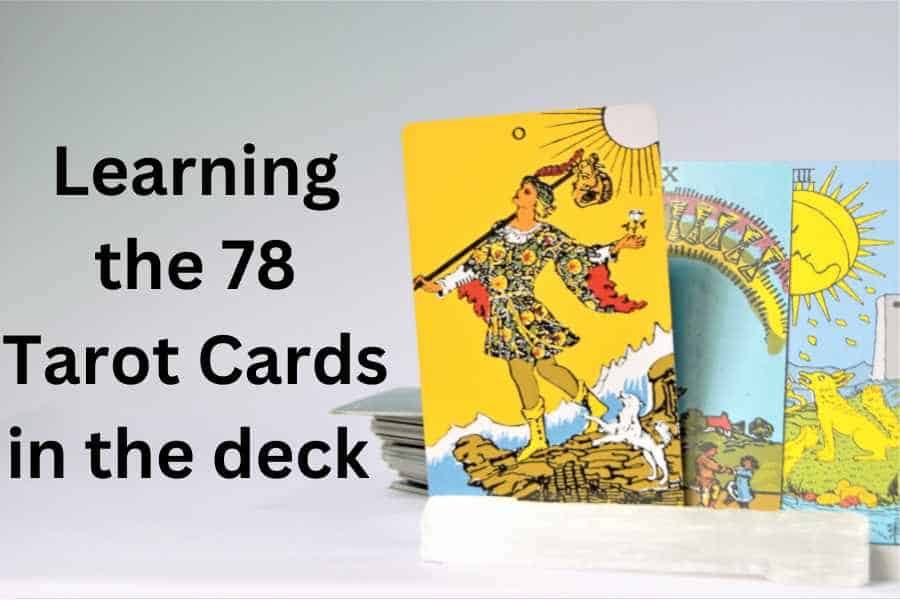
The tarot deck is divided into two main sections: the Major Arcana and the Minor Arcana. The Major Arcana consists of 22 cards, each representing significant life events, spiritual lessons, and archetypal energies. These cards often depict powerful figures like The Fool, The Magician, The High Priestess, and The World, symbolizing universal human experiences such as beginnings, challenges, and transformations. The Minor Arcana, on the other hand, contains 56 cards divided into four suits—Cups, Pentacles, Swords, and Wands—each corresponding to different aspects of daily life. Cups relate to emotions and relationships, Pentacles to material wealth and practical matters, Swords to intellect and conflict, and Wands to creativity and ambition. Together, these cards form a comprehensive map of the human experience, offering guidance on both the mundane and the profound.
Exploring the Major Arcana: The Soul’s Journey
The Major Arcana cards tell a story of spiritual evolution, often referred to as the “Fool’s Journey.” This journey begins with The Fool, a card representing innocence, spontaneity, and new beginnings, and culminates with The World, a card of completion and fulfillment. Each card in between marks a pivotal moment in this journey, from The Magician’s mastery of the elements to The Hanged Man’s surrender and The Tower’s sudden upheaval. These cards are not just static symbols; they are dynamic forces that reflect the cyclical nature of life—birth, growth, struggle, transformation, and renewal. For example, The Lovers card may signify a choice between heart and logic, while Death represents not an end but a necessary transformation. Understanding the Major Arcana allows you to see the bigger picture of your life’s path and the lessons embedded within it.
Decoding the Minor Arcana: The Tapestry of Daily Life
While the Major Arcana speaks to grand themes, the Minor Arcana delves into the intricacies of everyday existence. Each suit in the Minor Arcana carries its own energy and domain. Cups, associated with water, govern emotions, intuition, and relationships. Aces through Tens in this suit reveal the spectrum of love, from new beginnings (Ace of Cups) to emotional fulfillment (Ten of Cups). Pentacles, tied to the element of earth, focus on material reality—finances, health, and stability. The Ace of Pentacles heralds new opportunities in work or wealth, while the Ten of Pentacles celebrates legacy and abundance. Swords, linked to air, represent the mind—thoughts, decisions, and conflicts. The Ace of Swords is clarity and truth, while the Ten of Swords can indicate a painful but necessary ending. Wands, connected to fire, embody passion, creativity, and ambition. The Ace of Wands sparks inspiration, while the Ten of Wands may signal burnout or overcommitment. Mastering the Minor Arcana helps you navigate life’s practical and emotional challenges with greater awareness.

The Court Cards: Personalities and Energies
Within the Minor Arcana, the court cards—Page, Knight, Queen, and King—add another layer of depth. These cards represent people, personality traits, or even aspects of yourself. Pages often symbolize students or messengers, brimming with potential and curiosity. Knights embody action and movement, whether charging forward (Knight of Wands) or retreating (Knight of Cups). Queens radiate nurturing energy and emotional intelligence, while Kings exude authority and mastery. For instance, the Queen of Swords may indicate a sharp-witted, independent woman, while the King of Pentacles represents a successful, reliable leader. Court cards can also reflect your own behavior in different situations—are you acting like a Page, eager to learn, or a King, taking charge? Recognizing these energies in yourself and others can enhance your interpersonal dynamics and self-awareness.
Reversed Cards: Shadow and Hidden Truths
Tarot cards can appear upright or reversed, and reversals often hint at blocked energy, internal struggles, or subconscious influences. A reversed card doesn’t necessarily mean a negative outcome; instead, it suggests a need for introspection or a different approach. For example, the upright Three of Cups celebrates joy and community, while reversed, it may warn against gossip or superficial connections. The reversed Five of Pentacles could indicate financial stress or feeling left out in the cold, urging you to seek support. Reversals invite you to look beneath the surface, confront fears, or reassess your path. They remind us that growth often comes from facing what we’ve ignored or suppressed.

Why the Tarot Fascinates Us: A Psychological and Spiritual Perspective
The tarot’s enduring appeal lies in its ability to mirror the human psyche. Carl Jung’s theories on archetypes and the collective unconscious resonate deeply with tarot symbolism. The cards act as a visual language for the subconscious, helping us articulate feelings and experiences that words alone cannot capture. They also serve as a tool for divination, offering guidance when we’re at a crossroads. The tarot’s flexibility allows it to adapt to any question or situation, whether you’re seeking clarity on love, career, or personal growth. Additionally, the tarot’s aesthetic and ritualistic nature taps into a primal human desire for mystery and meaning. In a world that often prioritizes logic and speed, the tarot invites slow, intuitive reflection—a counterbalance to modern life’s chaos.
Practical Tips for Working with the Full Tarot Deck
To deepen your connection with the tarot, start by familiarizing yourself with each card’s imagery and traditional meanings. Study guidebooks, but also trust your intuition—your first impression of a card’s message is often the most authentic. Practice daily draws, such as a single-card pull, to build rapport with the deck. Experiment with different spreads, from simple three-card layouts (past, present, future) to more complex Celtic Cross spreads. Keep a tarot journal to track your interpretations and any synchronicities you notice. Remember, the tarot is a tool, not a fortune-telling device; its power lies in empowering you to make informed, mindful choices. Over time, you’ll develop a personal relationship with the cards, allowing their wisdom to resonate on a deeper level.
Conclusion
The tarot deck is more than a collection of images—it’s a mirror, a guide, and a storybook of the human experience. By understanding the 78 cards in their entirety, you gain access to a timeless system of wisdom that speaks to the heart of what it means to be human. Whether you’re drawn to the Major Arcana’s grand narrative or the Minor Arcana’s everyday lessons, each card offers a piece of the puzzle. The tarot’s magic lies in its ability to reveal patterns, highlight hidden truths, and inspire action. As you explore the full set of tarot meanings, you’ll likely find that the deck reflects not just the world around you, but the world within you. Embrace the journey, and let the cards illuminate your path.
FAQ
What is the tarot?
The tarot is a deck of cards used for divination, self-discovery, and understanding human experiences.
How many cards are in a tarot deck?
A standard tarot deck contains 78 cards.
What are the Major Arcana cards?
The Major Arcana consists of 22 cards that represent significant life events and spiritual lessons.
What do the suits in the Minor Arcana represent?
The suits represent different aspects of daily life: Cups for emotions, Pentacles for material matters, Swords for intellect, and Wands for creativity.
Leave a Reply