Short Answer
Welcome to a deep exploration of the Hansel & Gretel Tarot, where fairy tales meet divination. This guide will unravel the symbolic layers of this enchanting deck, revealing how its imagery reflects universal themes of childhood, abandonment, and transformation. Whether you’re a tarot enthusiast, a fairy tale lover, or someone seeking insight into life’s hidden patterns, you’ll discover why this deck resonates so deeply with the human experience. We’ll examine its key cards, their meanings, and the psychological undercurrents that make Hansel & Gretel a timeless narrative—one that mirrors our own journeys through fear, resilience, and self-discovery.
The Allure of Hansel & Gretel: Why This Fairy Tale Captivates Us
Few fairy tales are as universally recognized—or as psychologically potent—as Hansel and Gretel. The story of two siblings abandoned in the woods, lured by a witch’s false hospitality, then escaping through cunning and courage, taps into primal fears and desires. This tale’s enduring fascination lies in its raw portrayal of vulnerability and survival, themes that mirror our own life challenges. The Hansel & Gretel Tarot leverages this narrative power, using its symbols to decode personal and spiritual growth. The witch’s gingerbread house, for instance, represents both temptation and the illusions we create to mask our true intentions. By engaging with this deck, you’re not just reading cards—you’re confronting the archetypes that shape your decisions, fears, and triumphs.
Key Cards and Their Fairy Tale Meanings
The Gingerbread House: Temptation and False Security

The gingerbread house is the deck’s most iconic card, embodying the allure of instant gratification and the dangers of superficial charm. In tarot readings, it often signals a situation where appearances deceive—whether a job offer that seems perfect but hides exploitation, or a relationship that feels too good to be true. The card urges you to look beyond the sugar coating and assess the underlying reality. Historically, this motif reflects society’s tendency to mask hardship with beauty, a theme that resonates in modern consumer culture, where we’re bombarded with polished facades. The gingerbread house reminds us that true nourishment comes from within, not from external validation.
The Witch: Shadow Self and Hidden Agendas

The witch in the Hansel & Gretel Tarot is a multifaceted symbol. She embodies the shadow self—the part of us that harbors resentment, greed, or manipulative tendencies. In readings, she may appear as a toxic person in your life or, more challengingly, as a reflection of your own unchecked impulses. The witch’s oven, where she plans to bake Hansel, is a potent metaphor for destructive cycles—whether self-sabotage or external forces that seek to consume you. Yet, the witch also represents the necessity of confronting these shadows. Ignoring them only fuels their power; facing them, as the children do, leads to liberation. This card often emerges when you’re being called to acknowledge a hidden truth or break free from a toxic dynamic.
The Breadcrumbs: Guidance and Lost Paths
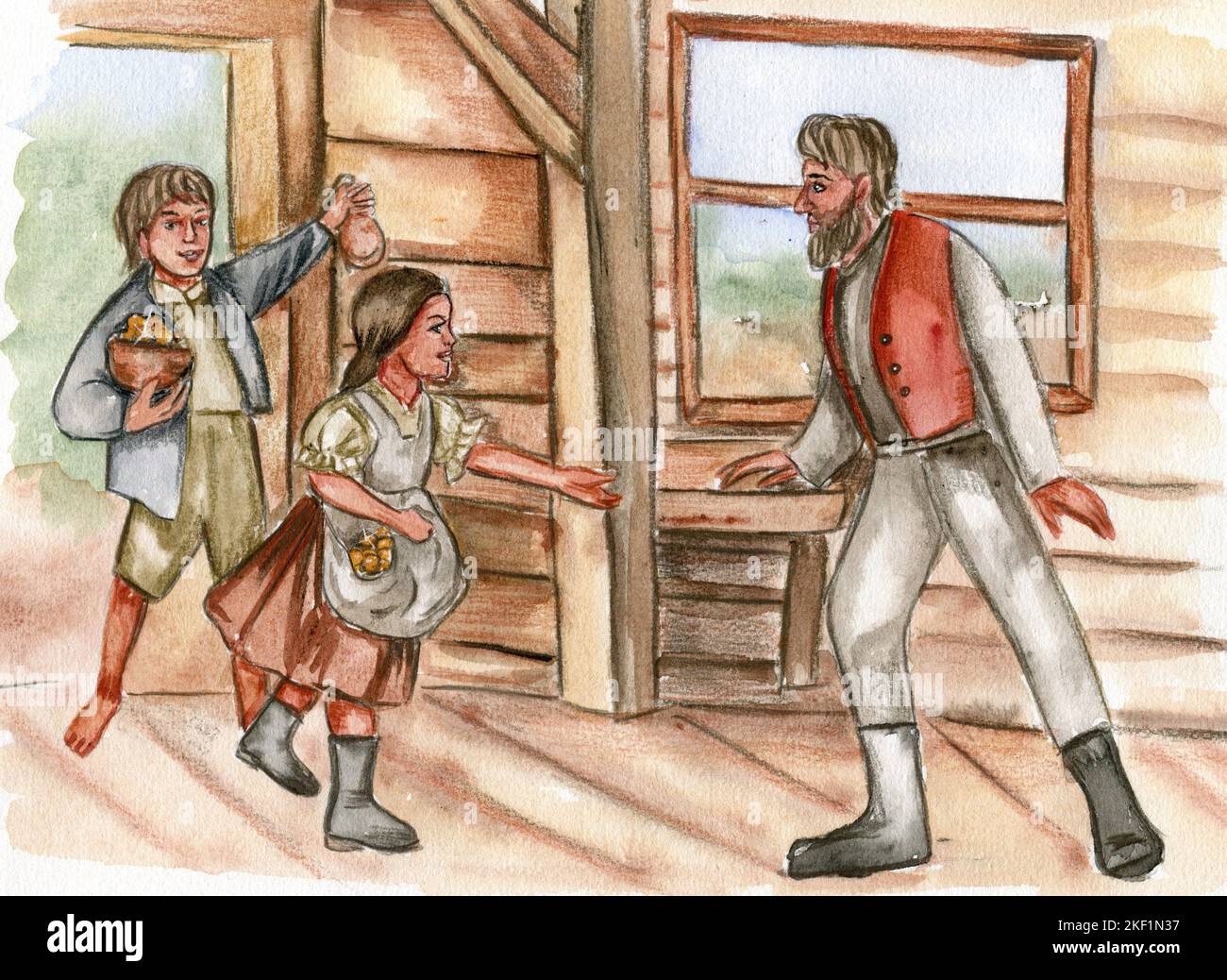
The breadcrumbs left by Hansel are a double-edged symbol in the tarot. On one hand, they represent the guidance we leave for ourselves—clues, routines, or support systems that help us navigate uncertainty. On the other, they highlight the fragility of these markers; birds eat the crumbs, leaving the children (and us) lost in the woods. In readings, this card often appears when you’re questioning your direction or feeling misled by your own plans. It may also suggest that you’re relying too heavily on external validation or outdated strategies. The breadcrumbs remind us to trust our instincts and adapt when the path we’ve chosen no longer serves us. They also warn against the dangers of over-reliance on others’ advice, urging you to forge your own way.
Psychological and Spiritual Insights: The Deeper Layers
The Hansel & Gretel Tarot isn’t just a tool for divination—it’s a mirror for the psyche. The fairy tale’s themes of abandonment, resilience, and transformation align closely with Jungian psychology, particularly the concept of the “shadow” and the hero’s journey. The woods, for instance, symbolize the unconscious mind, a place where fears and desires lurk unchecked. The children’s journey through the forest mirrors the process of individuation, where one confronts their inner demons to emerge stronger. Spiritually, the deck invites you to see life’s challenges as initiatory experiences. The witch’s oven, often a symbol of destruction, can also represent alchemical transformation—a necessary “death” before rebirth. By interpreting these cards, you’re not just predicting outcomes; you’re participating in a ritual of self-discovery, where each card is a step toward wholeness.
Practical Uses: How to Read the Hansel & Gretel Tarot
Incorporating the Hansel & Gretel Tarot into your practice requires an understanding of its unique symbolism. Start by familiarizing yourself with the deck’s key cards—the gingerbread house, the witch, the breadcrumbs, and the children themselves—and their fairy tale origins. When pulling a card, ask yourself: Where in my life am I being tempted by false promises? Where am I ignoring my shadow? The deck works particularly well for readings focused on personal growth, decision-making, and shadow work. For example, if the witch appears in a career spread, it might indicate a toxic workplace culture or a project that’s draining you. If the breadcrumbs show up in a relationship reading, it could suggest that you’re following a path that no longer aligns with your values. Pair this deck with journaling to track patterns and insights over time. Remember, the goal isn’t just to predict the future but to illuminate the present, helping you make choices that align with your highest self.
Conclusion
The Hansel & Gretel Tarot is more than a collection of illustrated cards—it’s a gateway to understanding the stories we tell ourselves. By exploring its symbols, you tap into a narrative that’s been shaping human consciousness for centuries. This deck doesn’t just predict outcomes; it invites you to rewrite your own fairy tale, transforming fear into courage, abandonment into resilience, and temptation into wisdom. Whether you’re drawn to its aesthetic or its psychological depth, the Hansel & Gretel Tarot offers a profound tool for self-reflection. As you shuffle the cards, remember: every story has a beginning, a middle, and an end—but yours is still being written. The woods may be dark, but the witch’s oven is also a crucible for rebirth. What will your next chapter hold?
FAQ
What are the themes of the Hansel & Gretel Tarot?
The Hansel & Gretel Tarot explores themes of temptation, resilience, and self-discovery, reflecting the psychological and symbolic layers of the fairy tale.
How can I use the Hansel & Gretel Tarot in my readings?
You can incorporate the Hansel & Gretel Tarot by focusing on its key symbols and asking reflective questions related to personal growth and decision-making.
Leave a Reply