Short Answer
This guide explores the Hierophant tarot card, a symbol often shrouded in tradition and mysticism. You’ll discover its core meanings, both upright and reversed, and how it reflects societal structures, spiritual guidance, and personal dilemmas. By the end, you’ll understand why this card resonates deeply with those seeking clarity in tradition versus personal conviction.
The Hierophant as a Symbol of Tradition and Guidance
The Hierophant is the fifth card in the Major Arcana, often depicted as a religious figure seated between two pillars, blessing two acolytes. This imagery immediately evokes themes of tradition, structured belief systems, and spiritual mentorship. Unlike the Fool’s journey toward individualism, the Hierophant represents the bridge between the divine and the earthly, offering wisdom passed down through generations. This card is not just about blind adherence to rules; it’s about finding meaning in established systems. For many, the Hierophant embodies the comfort of tradition—whether in religion, family values, or cultural norms. It suggests that guidance from a mentor, teacher, or institution can provide stability in uncertain times.
However, the Hierophant’s role as a gatekeeper of tradition can also feel restrictive. The card’s presence often raises questions: Should we follow societal expectations, or is there value in forging our own path? This duality makes the Hierophant one of the most debated cards in tarot readings. Its message isn’t just about conformity; it’s about discerning when tradition serves as a foundation and when it becomes a cage.
Upright Hierophant: Embracing Structure and Wisdom
When the Hierophant appears upright in a reading, it signals a time to seek guidance from established sources. This could mean turning to mentors, religious teachings, or academic knowledge to navigate life’s challenges. The card encourages you to trust in systems that have stood the test of time, whether that’s a formal education, a spiritual practice, or a professional code of conduct. It’s a reminder that wisdom often comes from those who came before us.
On a personal level, the upright Hierophant can indicate a phase of learning and conformity. You might be adopting new beliefs, rituals, or routines that align with your values. This card reassures you that it’s okay to rely on tradition when it brings clarity and purpose. For example, if you’re exploring a new spiritual path, the Hierophant suggests studying its foundational texts or seeking a teacher who can guide you. It’s about balance—honoring the past while growing into your own understanding.
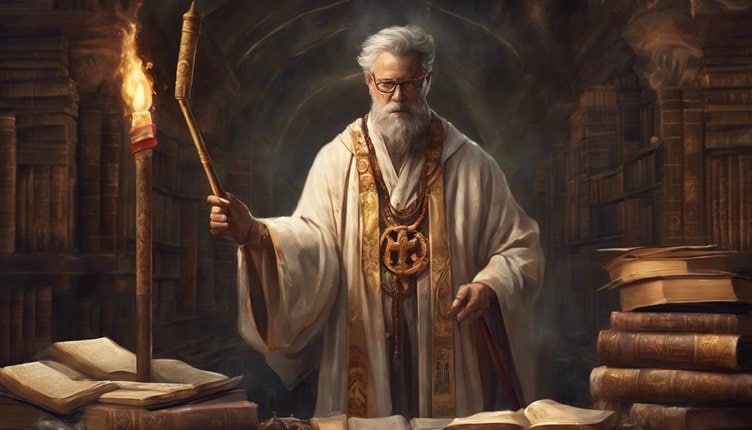
Reversed Hierophant: Questioning Authority and Dogma
A reversed Hierophant flips the script, urging you to challenge rigid structures and question dogmatic beliefs. This card often appears when you feel stifled by outdated traditions or when a mentor’s advice no longer resonates with your personal truth. It’s a call to break free from systems that no longer serve you, whether that’s a restrictive religion, an oppressive workplace culture, or societal expectations that feel outdated. The reversed Hierophant doesn’t dismiss tradition entirely; instead, it asks you to evaluate what’s worth preserving and what needs to be released.
This card can also highlight a disconnect between your inner beliefs and external expectations. You might feel pressured to conform to family, cultural, or religious norms that conflict with your authentic self. The reversed Hierophant encourages you to trust your intuition and seek knowledge independently. For instance, if you’ve been following a spiritual path out of obligation rather than conviction, this card might prompt you to explore alternative beliefs or create your own spiritual practice. It’s about reclaiming agency and defining your own moral compass.
The Hierophant in Relationships and Society
The Hierophant’s influence extends beyond personal growth into relationships and societal structures. In love readings, this card can indicate a relationship built on shared values and mutual respect for tradition. It might suggest a partnership where both individuals honor each other’s beliefs while maintaining a strong foundation. However, if the Hierophant appears reversed in a relationship context, it could signal a clash of values or a need to redefine the relationship’s boundaries. One partner might feel constrained by the other’s expectations, or there could be a lack of shared spiritual or ethical alignment.
In a broader societal sense, the Hierophant reflects how institutions shape our lives. It can represent the role of organized religion, education systems, or even government in guiding collective behavior. When this card appears, it’s worth considering how these structures influence your decisions. Are you following them out of genuine belief, or because you feel obligated? The Hierophant challenges you to examine the balance between conformity and individuality in your community and beyond.
Why the Hierophant Fascinates Us: The Allure of Tradition and Rebellion
The Hierophant’s enduring appeal lies in its ability to encapsulate a universal human struggle: the tension between tradition and personal freedom. On one hand, tradition offers stability, a sense of belonging, and a roadmap for navigating life’s complexities. It provides answers to existential questions and a framework for moral decision-making. This is why many people turn to religion, cultural practices, or established philosophies—they offer comfort in an unpredictable world.
On the other hand, the Hierophant also represents the rebellious spirit that questions these very systems. The fascination with this card often stems from a deeper desire to reconcile our need for structure with our longing for autonomy. It’s why stories of individuals breaking free from oppressive traditions resonate so strongly. The Hierophant embodies both the comfort of the known and the thrill of defiance, making it a card that speaks to the human condition in all its complexity.
Conclusion
The Hierophant is far more than a symbol of blind tradition—it’s a mirror reflecting our relationship with authority, wisdom, and personal growth. Whether it appears upright or reversed, this card invites you to examine the structures that shape your life and decide where they serve you and where they limit you. It’s a reminder that tradition can be a guiding light, but it should never extinguish your inner voice. By understanding the Hierophant’s dual nature, you gain the clarity to navigate the fine line between honoring the past and forging your own path. Ultimately, the Hierophant teaches that true wisdom comes not from rigid adherence to rules, but from the courage to question, learn, and evolve.
FAQ
What does the Hierophant card represent?
The Hierophant card represents tradition, structured belief systems, and spiritual guidance.
How does the Hierophant influence relationships?
It can indicate partnerships built on shared values or highlight conflicts arising from differing beliefs.

Leave a Reply