Short Answer
Embarking on your tarot journey can feel overwhelming, especially when faced with the vast array of symbols, archetypes, and interpretations packed into each card. Whether you’re a complete beginner or looking to deepen your understanding, this guide will break down the essentials of tarot card meanings in a clear, accessible way. You’ll learn how to decode the imagery, understand card positions, and build confidence in your readings—no prior experience required. By the end, you’ll have the tools to interpret tarot cards intuitively and accurately, transforming confusion into clarity.
Understanding the Basics: The Structure of a Tarot Deck
Before diving into meanings, it’s crucial to grasp the foundation of a tarot deck. A standard deck consists of 78 cards divided into two main groups: the Major Arcana and the Minor Arcana. The Major Arcana (22 cards) represents significant life themes and spiritual lessons, such as The Fool (new beginnings) or The Lovers (relationships and choices). These cards often signal major influences or turning points in a reading.
The Minor Arcana (56 cards) mirrors a traditional deck of playing cards and is divided into four suits: Cups (emotions), Pentacles (material world), Swords (intellect), and Wands (creativity). Each suit contains 14 cards—numbered 1 to 10, plus four court cards (Page, Knight, Queen, King). Unlike the Major Arcana, the Minor Arcana focuses on everyday situations, challenges, and opportunities.
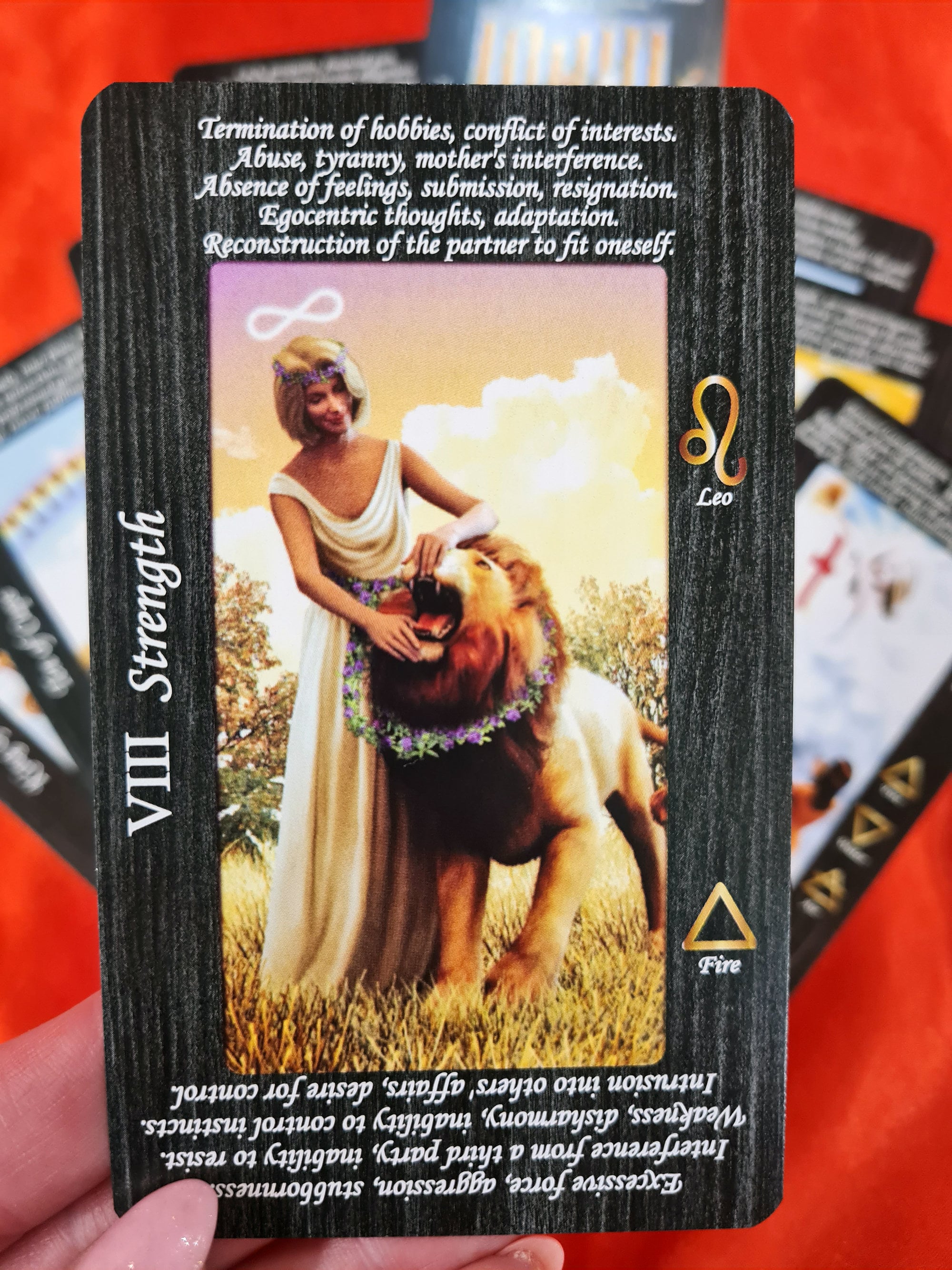
Decoding the Imagery: How to Read Symbols and Colors
Tarot cards are rich with symbolism, and learning to interpret these elements is key to unlocking their meanings. Start by examining the central figures, objects, and colors in each card. For example, The High Priestess often features a moon, a book, or a veil, symbolizing intuition, hidden knowledge, and mystery. The colors blue and purple in this card reinforce themes of spirituality and wisdom.
In the Minor Arcana, symbols are more subtle but equally meaningful. A Three of Cups might show three women dancing with cups raised, representing celebration, friendship, and joy. The presence of water in the background subtly ties the card to emotions and flow. Pay attention to recurring motifs—animals, plants, or geometric patterns—across the deck, as these often carry universal messages.

Card Positions and Spreads: Context is Everything
Tarot meanings aren’t static—they shift based on the card’s position in a spread. A common beginner spread is the Three-Card Spread, which typically represents Past, Present, and Future. If The Tower appears in the Past position, it might indicate a past upheaval that shaped your current situation. In the Present position, it could signal an unexpected change looming ahead. Always consider the surrounding cards to refine your interpretation.
Other spreads, like the Celtic Cross or Relationship Spread, offer deeper layers of insight. For instance, in a relationship reading, the card in the “Challenges” position might reveal underlying tensions, while the “Advice” card suggests how to address them. Experiment with different spreads to see how card positions influence their meanings. The more you practice, the more intuitive your readings will become.
Reversed Cards: When Energy is Blocked or Internalized
Reversed cards (those drawn upside down) often indicate blocked energy, internal struggles, or a need for introspection. For example, The Chariot upright suggests determination and victory, but reversed, it may point to a lack of direction or self-doubt. However, reversed cards aren’t inherently “bad”—they can highlight areas for growth or subconscious patterns that need attention.
To interpret reversals, ask yourself: Is the card’s energy being suppressed, or is it manifesting in a less obvious way? For instance, Five of Pentacles reversed might suggest recovery from financial hardship, while upright it could signal current struggles. Some readers avoid reversals entirely, but incorporating them can add nuance to your readings. Trust your intuition to guide whether a reversed card feels like a challenge or an opportunity.

Building Your Intuition: Practical Tips for Beginners
While guidebooks and online resources are helpful, developing your intuition is the heart of tarot reading. Start by shuffling the deck and drawing one card daily, then journal about your first impressions. Does the card evoke a specific emotion or memory? Trust those gut reactions—they’re often more accurate than memorized definitions. Over time, you’ll notice patterns and connections that resonate uniquely with you.
Another exercise is to pair tarot with meditation. Before a reading, close your eyes and focus on your breath. Hold a card and visualize its imagery, asking yourself what messages it holds for you. You might also use tarot as a tool for self-reflection by asking open-ended questions like, “What do I need to understand about my current situation?” The more you engage with the cards, the more their meanings will unfold naturally.
Common Pitfalls and How to Avoid Them
Beginners often fall into the trap of over-relying on guidebooks or fixating on “correct” interpretations. Remember, tarot is a tool for your intuition—there’s no single “right” answer. Avoid jumping to conclusions based on a single card; instead, consider the entire spread and how the cards interact. For example, Death might seem ominous, but in a spread with The Star, it could signify transformation leading to renewal.
Another mistake is reading for others before mastering your own practice. Tarot is deeply personal, and projecting your biases onto a querent’s reading can lead to misinterpretations. If you’re asked for a reading, frame your insights as possibilities rather than certainties. Phrases like, “This card suggests…” or “You might be feeling…” keep the reading open-ended and respectful.
Conclusion
Learning tarot is a journey of discovery, and every reader’s path is unique. By understanding the structure of the deck, decoding symbolism, and practicing intuitive interpretation, you’ll gradually build confidence in your readings. Remember that tarot is a mirror—it reflects your subconscious thoughts, emotions, and potential outcomes, not a fixed destiny. Whether you use it for self-reflection, creative inspiration, or guidance, the cards are a powerful tool for insight and growth.
Start small: draw a daily card, experiment with spreads, and trust your instincts. Over time, the meanings will become clearer, and your connection to the tarot will deepen. The most important lesson? There are no mistakes—only opportunities to learn and evolve. Happy reading!
FAQ
What do tarot cards represent?
Tarot cards represent various archetypes and themes related to life experiences, emotions, and spiritual lessons.
How can I start reading tarot cards?
Begin by familiarizing yourself with the tarot deck’s structure, practice interpreting card meanings, and develop your intuition through daily draws.
What are reversed tarot cards?
Reversed tarot cards can indicate blocked energy or internal struggles, offering insights into areas for personal growth.
Leave a Reply