Short Answer
Welcome to your ultimate beginner’s guide to reading tarot cards—a mystical journey that blends intuition, symbolism, and a dash of playful curiosity. Whether you’re drawn to tarot for self-discovery, spiritual guidance, or simply the thrill of uncovering hidden truths, this guide will equip you with the foundational tools to start reading tarot cards with confidence. By the end, you’ll not only understand the basics but also learn how to pose meaningful questions and navigate the challenges that often arise for newcomers. Ready to shuffle the deck and let the cards reveal their secrets? Let’s begin.
Why Tarot Cards Work: The Science and Magic Behind the Cards
At first glance, tarot cards might seem like mere illustrations on cardboard, but they’re far more than that. Each card is a visual story, packed with archetypes, symbols, and universal themes that resonate with the human experience. Think of tarot as a mirror—it reflects your inner world back to you, helping you see patterns, obstacles, and opportunities you might otherwise overlook.
The magic of tarot lies in its ability to tap into your subconscious. When you draw a card, your brain processes the imagery and symbols on a deeper level, often revealing insights that logic alone can’t uncover. Studies in psychology and neuroscience suggest that our minds are wired to seek patterns and meaning, which is why tarot feels so intuitive. It’s not about predicting the future with 100% accuracy; it’s about gaining clarity and perspective on the present.
But here’s the playful challenge: tarot doesn’t work if you treat it like a magic 8-ball. The cards respond best when you approach them with an open mind and a willingness to engage with their messages. Skepticism is fine, but curiosity is your ally. So, before you dive in, ask yourself: Am I ready to listen, even if the answers surprise me?
Choosing Your First Tarot Deck: Where to Start and What to Avoid
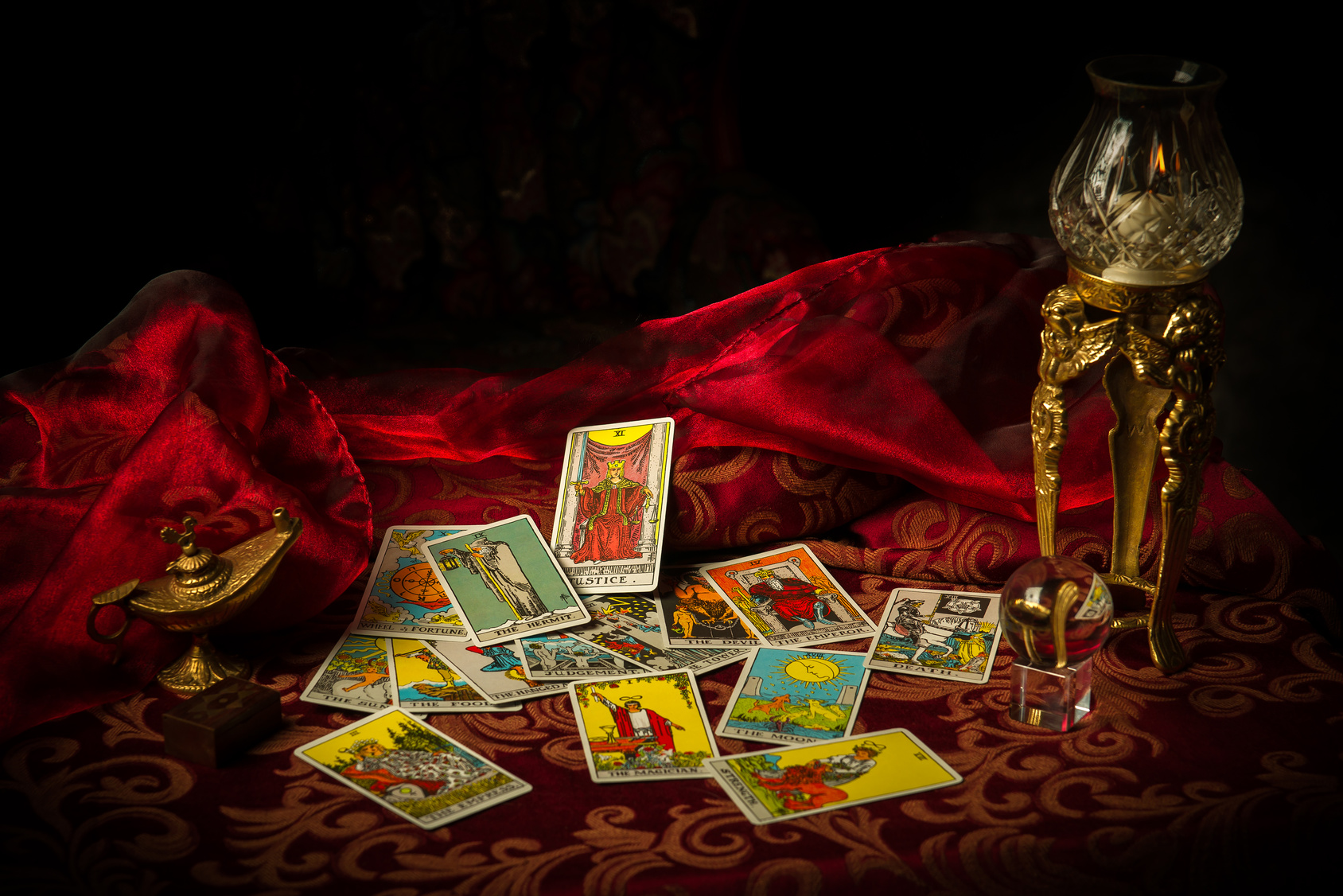
Not all tarot decks are created equal, and your first deck can set the tone for your entire tarot journey. For beginners, the Rider-Waite-Smith (RWS) deck is the gold standard. Created in 1909, this deck features rich, symbolic imagery that’s easy to interpret, even for newcomers. The illustrations are detailed enough to spark your intuition while remaining accessible.
If the RWS deck feels too traditional, consider modern decks like the Modern Witch Tarot or Light Seer’s Tarot. These decks use contemporary art and inclusive themes, making them ideal if you want something that feels fresh and relatable. Avoid decks with overly abstract or minimalist designs for now—complex symbolism can overwhelm beginners.
Pro tip: When choosing a deck, pay attention to how it makes you feel. Does it resonate with your energy? Do the images speak to you? Trust your gut—your first deck should feel like a natural extension of your intuition.

Understanding the Two Main Tarot Categories: Major vs. Minor Arcana
Tarot decks are divided into two main sections: the Major Arcana and the Minor Arcana. The Major Arcana consists of 22 cards, each representing a significant life lesson or spiritual milestone. These cards often appear in readings when you’re facing major decisions, transformations, or karmic influences. Examples include The Fool (new beginnings), The Lovers (relationships), and Death (transformation).
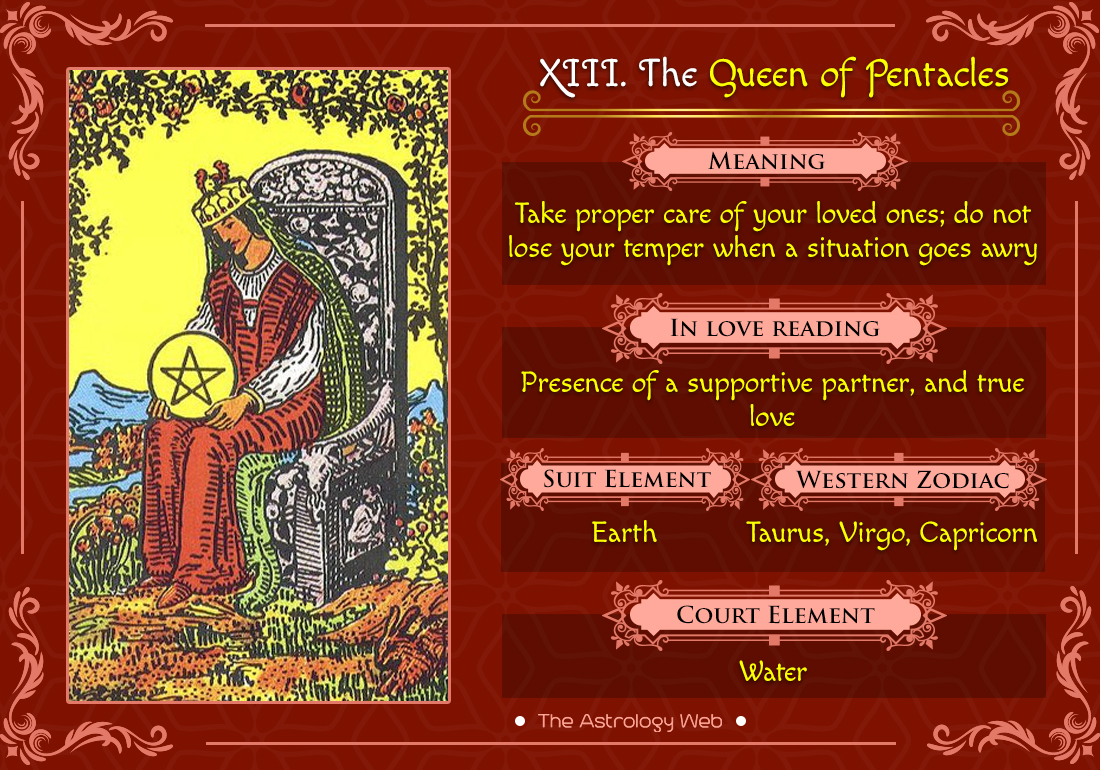
The Minor Arcana, on the other hand, contains 56 cards divided into four suits: Cups, Pentacles, Swords, and Wands. These cards reflect everyday experiences, challenges, and opportunities. For example, the Three of Cups might indicate celebration and friendship, while the Five of Swords could signal conflict or tension. Think of the Minor Arcana as the “details” of your life story, while the Major Arcana provides the overarching plot.
As a beginner, focus on learning the Major Arcana first—it’s like mastering the alphabet before diving into complex sentences. Once you’re comfortable with these cards, the Minor Arcana will start to feel like second nature.
How to Ask the Right Questions: The Art of Crafting Meaningful Queries
Tarot thrives on curiosity, but not all questions are created equal. Vague or overly broad questions like “Will I get a new job?” or “Is my crush into me?” often lead to vague or unhelpful answers. Instead, craft questions that are specific, open-ended, and focused on your own actions or insights. For example:
- “What do I need to know about my current career path?”
- “How can I improve my relationship with my family?”
- “What energy should I bring to my next project?”
The key is to frame questions that invite reflection rather than a simple yes/no answer. Avoid questions that rely on external outcomes (e.g., “Will I win the lottery?”)—tarot is about guidance, not fortune-telling. And here’s a playful challenge: try asking the cards a question you already know the answer to. See if the cards confirm your intuition. It’s a great way to build trust in the process.
Reading Tarot Cards: Step-by-Step for Beginners
Now that you’ve chosen your deck and crafted your question, it’s time to pull some cards. Here’s a simple three-card spread to get you started:
- Past: What has influenced this situation?
- Present: What’s happening now?
- Future: What’s a likely outcome if things continue as they are?
To perform a reading:
- Shuffle the deck while focusing on your question. Some people like to visualize the answer or even speak their question aloud.
- Cut the deck with your non-dominant hand (a fun way to engage your subconscious).
- Draw three cards and lay them out from left to right.
- Interpret the cards using their traditional meanings as a starting point, then let your intuition guide you. Does the imagery evoke any personal associations?
Remember, there are no “wrong” interpretations. If a card feels significant to you, it probably is. And if you draw a card that seems confusing, don’t panic—flip through your guidebook or look up its symbolism. Over time, you’ll develop your own unique way of reading the cards.
Common Beginner Mistakes and How to Avoid Them
Even the most enthusiastic beginners can fall into traps that hinder their tarot practice. Here are a few pitfalls to watch out for:
- Over-reliance on guidebooks: While guidebooks are helpful, don’t let them dictate your interpretations. Trust your gut—if a card feels like it means something specific to you, it probably does.
- Ignoring reversals: Some readers pull cards upside down (reversed) to indicate blocked energy or internal struggles. Others ignore reversals entirely. Experiment to see what works for you.
- Reading for others too soon: It’s tempting to share your newfound skills, but reading for others before you’re confident in your own practice can lead to confusion or misalignment. Start with self-readings.
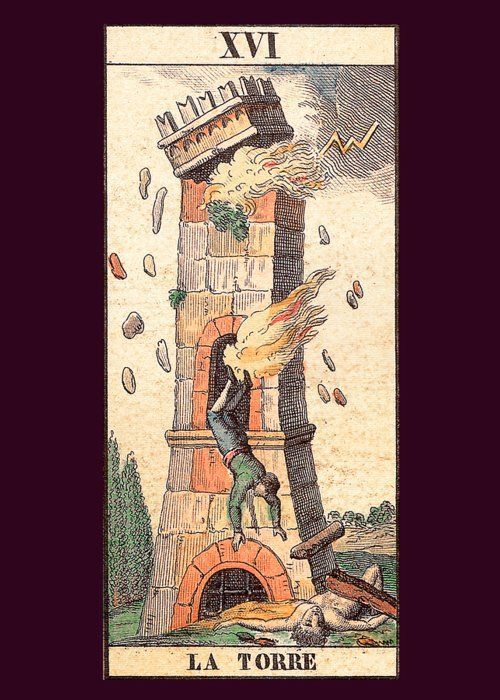
- Fear of the “bad” cards: Cards like The Tower or Ten of Swords often get a bad rap, but they’re not inherently “negative.” They highlight areas that need attention or transformation—growth rarely comes without a little disruption.
The playful challenge here is to embrace the discomfort. If a card scares you or feels “off,” ask yourself: What is this card trying to teach me? Often, the cards we resist the most hold the most valuable lessons.
Developing Your Intuition: Trusting Your Inner Voice
Tarot is as much about intuition as it is about memorizing card meanings. The more you practice, the more you’ll notice your intuition sharpening. Start by keeping a tarot journal. After each reading, jot down the cards you drew, their traditional meanings, and any personal insights or emotions that arose. Over time, you’ll see patterns in your interpretations and trust your instincts more.
Another exercise: try “blind” readings. Shuffle the deck, draw a card, and write down the first word or image that comes to mind—without looking at the guidebook. Compare your interpretation to the traditional meaning. You might be surprised by how accurate your gut reaction is.
Remember, intuition isn’t about being psychic; it’s about being present. The more you practice, the more attuned you’ll become to the subtle messages the cards are sending.
Conclusion: Your Tarot Journey Starts Now
Reading tarot cards is a journey of self-discovery, curiosity, and growth. It’s not about having all the answers upfront but about learning to ask the right questions and trusting the process. As you shuffle the deck, craft your queries, and interpret the cards, you’ll uncover layers of insight about yourself and the world around you.
Don’t be discouraged if your first few readings feel confusing. Tarot is a skill that develops over time, like learning a new language. The more you practice, the more fluent you’ll become. And who knows? You might just find that the cards have a way of guiding you exactly where you need to go—one draw at a time.
So, take a deep breath, trust the process, and let the magic unfold. Your tarot adventure begins now.
FAQ
What are tarot cards used for?
Tarot cards are used for self-discovery, spiritual guidance, and gaining insights into personal situations.
How do I choose my first tarot deck?
Look for decks with imagery that resonates with you, like the Rider-Waite-Smith deck for beginners.
What types of questions should I ask the tarot?
Ask specific, open-ended questions that invite reflection, such as ‘What do I need to know about my current career path?’
FAQ
What are tarot cards?
Tarot cards are a deck of cards used for divination and self-reflection, consisting of 78 cards divided into the Major and Minor Arcana.
How do I choose my first tarot deck?
For beginners, the Rider-Waite-Smith deck is recommended due to its accessible imagery. Choose a deck that resonates with you personally.
What questions should I ask the tarot?
Ask specific and open-ended questions focused on your actions or insights, such as ‘What do I need to know about my current career path?’
Leave a Reply