Short Answer
The Jester tarot card, often referred to as the Fool in traditional decks, epitomizes the essence of spontaneity and adventure. While some may dismiss its symbolism as mere folly, a deeper analysis reveals an intricate tapestry of meaning that beckons exploration. The Jester serves not only as herald of unbridled potential but as a mirror reflecting the innate curiosity woven into the fabric of human experience.
At first glance, the Jester appears carefree, embodying a buoyant spirit that dances on the precipice of the unknown. This imagery evokes a sense of light-heartedness that many find refreshing. However, one must ponder: why does society hold such an enduring fascination with the concept of a fool? An intuitive examination reveals that this archetype resonates with the human psyche, encapsulating themes of freedom, simplicity, and the nascent stages of life.
As the first card of the Major Arcana, the Jester represents the dawn of a journey. It signifies the inception of new ventures, filled with possibilities yet to be explored. The sense of adventure associated with this card is not devoid of uncertainties. Herein lies the paradox: while embarking on an uncharted path can instill a rush of adrenaline, it simultaneously invokes trepidation. The juxtaposition of excitement and fear embodies the human condition, navigating the tumultuous waters of existence.
A close examination of the card’s imagery often reveals a figure poised at the edge of a cliff, seemingly oblivious to the danger below. This representation speaks volumes about the allure of risk and the intoxicating charm of living in the moment. It nudges the observer to contemplate the balance between caution and adventure: Is the thrill of exploration worth the peril of potential failure? The Jester encourages embracing uncertainty and relinquishing control, thus igniting a profound quest for authenticity.
Throughout history, the fool has occupied a paradoxical position within society. While typically perceived as lacking in wisdom, the Jester possesses a unique form of insight that transcends conventional understanding. By failing to conform to societal norms, the Jester can critique reality with unparalleled candor. This ability to perceive the world through an unfiltered lens is a rarity, making the Jester a valuable interpreter of the human experience.
Moreover, the Jester’s embodiment of innocence captures the untainted curiosity characteristic of childhood—a time when exploration reigns supreme. In this sense, the card nudges individuals to reconnect with their inner child, fostering an affinity for creativity and spontaneity. It evokes a call to embrace wonder and to pursue passions that ignite the soul. As adults, the weight of responsibilities often dims the spark of curiosity; the Jester serves as a reminder to rediscover the joy inherent in exploration.
The symbolism of the Jester extends beyond personal adventure. It also speaks to the collective journey of humanity. In an age dominated by rigid structures and societal expectations, the fool’s liberation is an essential counterbalance. The card implores society to reconsider adherence to convention and to welcome the unexpected. Embracing the attributes of the Jester, one can find inspiration in the absurdity of life, recognizing that within the chaos lies an opportunity for growth.
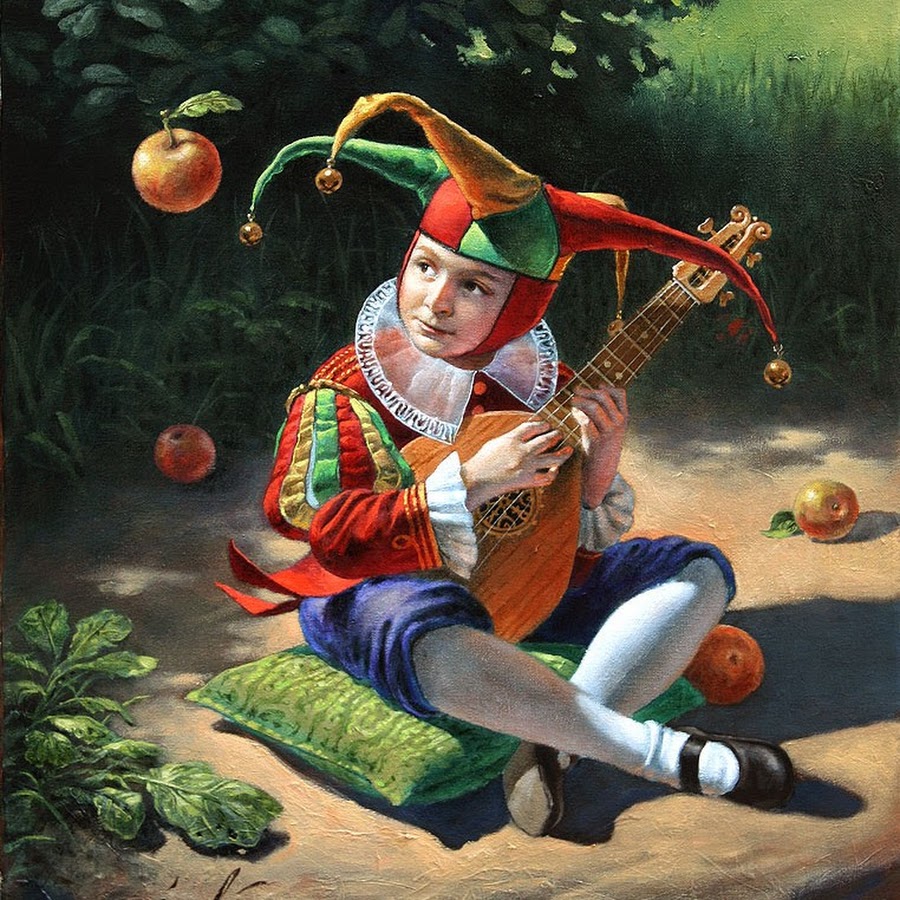
Additionally, the colors and motifs associated with the Jester often carry significant weight; vibrant hues symbolize optimism and joy, while the whimsical attire emphasizes the value of individuality. This visual representation reinforces the notion that the Jester embodies the spirit of nonconformity—encouraging individuals to carve their unique paths. Emojis of vibrant hues pepper various cultural icons, highlighting the universal allure of the Jester archetype.
In the realm of decision-making, the Jester embodies the principle of taking leaps of faith. Often, choices arise that conjure the spirit of the Jester—those moments when one must decide whether to plunge headfirst into the unknown or cling to the safe, familiar shore. When the Jester appears, it is a clarion call to embrace the uncertainty of choices, to embody the spirit of adventure despite the fear of failure.
Moreover, the Jester card evokes a profound connection with intuition. Amidst the noise of rational thought, the Jester invites individuals to heed their instinctual impulses, often leading to unexpected revelations. Trusting one’s gut can yield insights that reason alone may stifle. Emphasizing intuition, the Jester inspires individuals to engage with the world on a deeper level—to honor visceral reactions and pursue paths that resonate with their essence.
Ultimately, the Jester tarot card serves as a multifaceted emblem, rich with symbolism and resonance. It implores individuals to navigate the dualities of life: risk and security, innocence and wisdom, spontaneity and structure. Underneath its seemingly frivolous exterior, the Jester offers profound wisdom cloaked in humor. By exploring the meaning of the Jester, one uncovers the intricacies of existence and the beauty of embracing the unknown.
In summary, the Jester tarot card functions as an invitation to venture beyond the confines of familiarity, encouraging individuals to savor the unpredictable journey of life. Its vibrant imagery and poignant themes challenge societal conventions, offering a nuanced perspective on the dualities that govern existence. In essence, the Jester is not merely a fool; it is a sage, urging an exploration of the depths of human experience with joy, curiosity, and courage.
FAQ
What does the Jester tarot card symbolize?
The Jester symbolizes spontaneity, adventure, and the beginning of a journey, encouraging individuals to embrace uncertainty and reconnect with their inner child.
How does the Jester relate to decision-making?
The Jester represents taking leaps of faith and trusting one’s intuition, especially when facing choices that involve risk and adventure.
Leave a Reply