Short Answer
Embark on a journey through the symbolism, history, and practical applications of La Roue de Fortune—one of the most dynamic and enigmatic cards in the Tarot deck. Whether you’re a seasoned Tarot reader, a curious beginner, or simply fascinated by the interplay of luck, fate, and personal growth, this guide will illuminate the many layers of meaning behind this powerful archetype. From its roots in medieval iconography to its modern interpretations in psychology and pop culture, we’ll explore how La Roue de Fortune serves as a mirror for life’s inevitable cycles of change. You’ll discover how to interpret its symbolism in readings, apply its lessons to real-life challenges, and even create your own physical wheel to harness its energy. By the end, you’ll see this card not just as a symbol of random chance, but as a profound reminder of resilience, adaptability, and the ever-turning nature of existence.
The Symbolism of La Roue de Fortune: Decoding the Card’s Visual Language
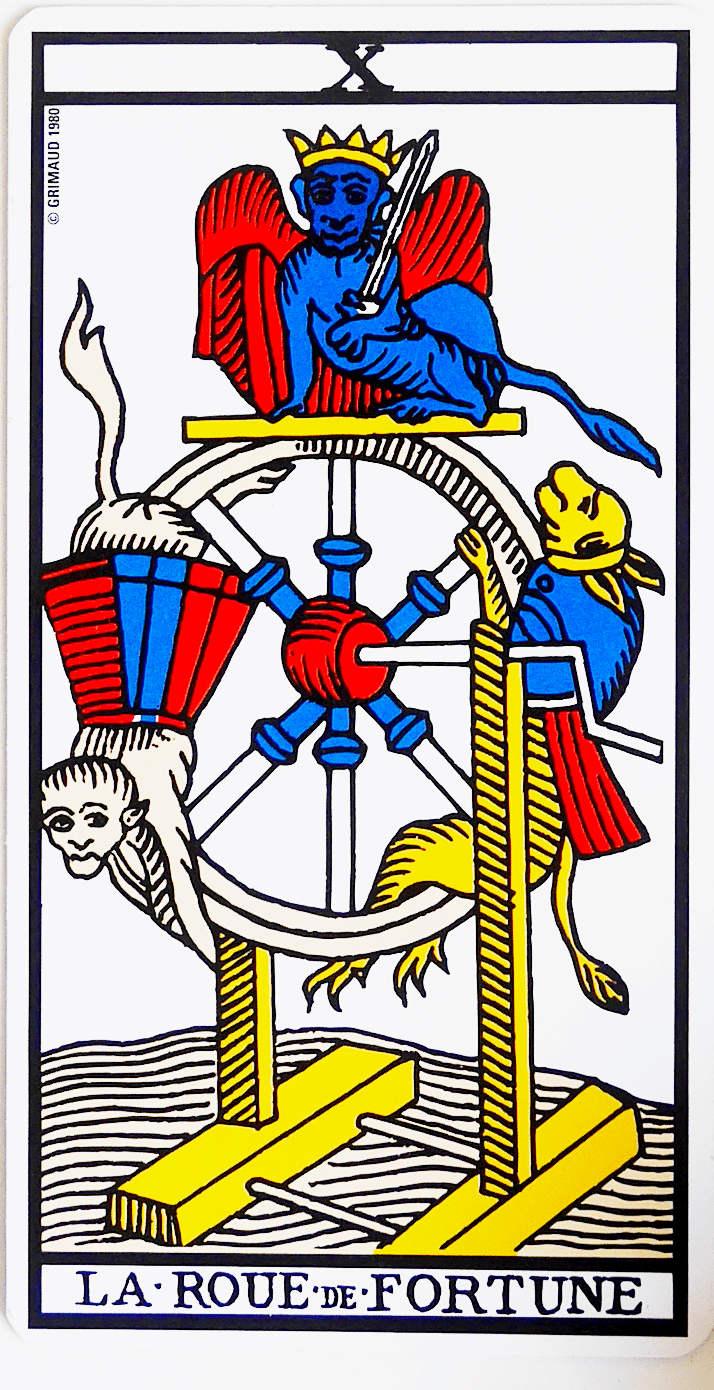
At first glance, La Roue de Fortune is a vibrant tableau of movement and transformation. The card typically features a large, ornate wheel with spokes radiating outward, often adorned with mystical symbols like the Hebrew letters YHVH (representing the divine name) or the alchemical symbols for mercury and sulfur. At the top of the wheel, a crowned figure—sometimes a sphinx or an angel—climbs upward, symbolizing ascent, ambition, or spiritual growth. Below, a serpent or dragon descends, embodying downfall, regression, or the inevitability of change. The four figures at the wheel’s edges—often depicted as human faces or mythological creatures—represent the four fixed signs of the zodiac (Taurus, Leo, Scorpio, Aquarius), reinforcing the card’s connection to cosmic order and cyclical time.
In many decks, the wheel is set against a backdrop of celestial bodies, such as the sun and moon, emphasizing its ties to fate and the universe’s grand design. The colors used in the card also carry significance: gold often denotes divinity or enlightenment, while red and blue hues may represent passion and intuition, respectively. Together, these elements weave a narrative of perpetual motion—where luck is not a static force but a dynamic process influenced by both external circumstances and internal choices.
La Roue de Fortune in Tarot Readings: Interpreting Luck and Change
In a Tarot spread, La Roue de Fortune is a harbinger of pivotal moments—times when luck seems to shift, opportunities arise, or unexpected challenges demand adaptability. Its appearance can signal a period of rapid change, whether positive or negative, and urges the querent to embrace flexibility rather than resist the flow. When upright, the card often indicates a stroke of good fortune, a lucky break, or a breakthrough that propels the seeker forward. It may also suggest that the universe is aligning in their favor, rewarding past efforts or aligning with their higher purpose.
Reversed, La Roue de Fortune warns of stagnation, bad luck, or a sense of being trapped in a cycle of misfortune. It might reflect resistance to change, fear of the unknown, or a lack of control over external events. In this position, the card invites introspection: Are you clinging to outdated patterns? Are you ignoring the signs of impending transformation? The reversed wheel can also highlight the darker side of luck—such as gambling, risk-taking, or blind optimism that leads to poor decisions. Context is key: pairing the card with others (like The Hanged Man for surrender or Strength for resilience) can clarify its message.
Practically, La Roue de Fortune encourages the querent to stay open to new possibilities, trust the process, and recognize that even setbacks are part of a larger cycle. It’s a reminder that luck is not entirely random; our actions, attitudes, and readiness to seize opportunities play a role in shaping our fate.
Historical and Cultural Roots: From Medieval Wheels to Modern Myths
The concept of a cosmic wheel is ancient, appearing in cultures worldwide as a symbol of fate’s unending rotation. In medieval Europe, the Wheel of Fortune was a popular allegory in literature and art, famously personified by the goddess Fortuna, who blindly turned her wheel to elevate some and cast down others. This imagery permeated everything from illuminated manuscripts to Shakespeare’s plays, where characters like King Lear grapple with the wheel’s capricious nature. The Tarot’s version of the card likely draws from these traditions, blending medieval iconography with Renaissance esotericism.
Beyond Europe, similar motifs appear in Hindu and Buddhist traditions, where the Wheel of Samsara represents the cycle of birth, death, and rebirth governed by karma. In Norse mythology, the giant wheel Hvergelmir churns the waters of fate, while in Chinese philosophy, the I Ching’s hexagrams reflect the ebb and flow of yin and yang. Even in modern times, the wheel’s symbolism persists—from the game show Wheel of Fortune (where contestants spin for prizes) to the concept of “luck” in gambling and sports. These parallels underscore a universal truth: life is a series of ups and downs, and our relationship to change defines our journey.

Psychological and Spiritual Perspectives: The Wheel as a Metaphor for Growth
From a psychological standpoint, La Roue de Fortune resonates with Carl Jung’s concept of the shadow self and the process of individuation—the journey toward wholeness. The wheel’s cycles mirror the unconscious patterns we repeat until we confront them, suggesting that luck is less about random chance and more about recognizing and breaking free from self-limiting cycles. In therapy, the card might symbolize a client’s resistance to change or their readiness to embrace a new chapter in life.
Spiritually, the wheel embodies the principle of karma or divine justice—what goes around comes around. It teaches that our actions have consequences, and that even apparent misfortune can serve a higher purpose. Many spiritual traditions use the wheel as a tool for meditation, encouraging practitioners to visualize themselves at different points on the wheel to cultivate detachment, gratitude, or resilience. For instance, in Kabbalah, the wheel aligns with the Tree of Life, illustrating the soul’s evolution through various states of consciousness.
In personal development, La Roue de Fortune invites us to ask: Where am I on my own wheel right now? Are we climbing toward growth, or spiraling downward due to fear? The card’s lesson is clear: embrace the ride, learn from each turn, and trust that the wheel will continue to turn—bringing new opportunities with every rotation.
Creating Your Own Wheel: Rituals and Practices for Harnessing Change
One of the most empowering ways to connect with La Roue de Fortune is to create a physical wheel—a tangible reminder of life’s cycles and your agency within them. Here’s a simple guide to crafting your own Wheel of Fortune for meditation, manifestation, or daily reflection:
- Materials Needed: A large piece of cardboard or wood, a protractor, markers, paint, a small arrow or pointer, and optional embellishments like glitter, beads, or printed symbols.
- Design the Wheel: Divide the circle into 12 sections (like a clock) to represent months, zodiac signs, or personal goals. Label each section with a word or image that resonates with your intentions (e.g., “Growth,” “Release,” “Opportunity”).
- Add Symbols: Incorporate elements from the Tarot card—such as the Hebrew letters, a serpent, or celestial bodies—to deepen its meaning. You might also add affirmations or mantras in each section.
- Use the Wheel: Spin the arrow and reflect on where it lands. Ask yourself: What does this section mean for me right now? You can use it for daily pulls, setting intentions, or tracking progress over time.

For a more ritualistic approach, try spinning your wheel during the new moon to set intentions or during the full moon to release what no longer serves you. The act of creating and using the wheel reinforces the idea that you are both the rider and the rider of fate—co-creating your path with the universe’s rhythms.
La Roue de Fortune in Pop Culture: From Tarot to Game Shows
The imagery of La Roue de Fortune has seeped into modern media, often as a playful or ironic nod to the unpredictability of life. The game show Wheel of Fortune, which debuted in 1975, is the most famous example, turning the concept of luck into a national pastime. Contestants spin a giant wheel to win cash and prizes, mirroring the Tarot card’s theme of chance—though with far less existential weight. Similarly, the card’s symbolism appears in films like The Dark Knight (where the Joker’s chaotic nature embodies the wheel’s unpredictability) and literature like The Wheel of Time series by Robert Jordan, which uses a cosmic wheel to structure its multiverse.
In music, artists like Florence + The Machine and Hozier reference the wheel in lyrics about fate and transformation. Even in advertising, brands leverage the wheel’s imagery to sell everything from lottery tickets to self-help books, tapping into humanity’s fascination with luck and control. These cultural touchpoints prove that La Roue de Fortune remains a potent symbol—one that transcends its Tarot origins to speak to the universal human experience of navigating change.
Conclusion
La Roue de Fortune is far more than a card of luck—it’s a mirror held up to life’s relentless cycles of change, growth, and renewal. Whether encountered in a Tarot reading, a medieval manuscript, or a child’s board game, the wheel reminds us that fortune is not a fixed destination but a dynamic process. It teaches that luck is not purely random; it’s a dance between fate and free will, between surrender and action. By studying its symbolism, creating our own wheels, and reflecting on its messages, we can learn to ride the ups and downs with grace, wisdom, and even a touch of humor.
So the next time you feel the ground shifting beneath your feet, remember the wheel. Spin it in your mind. Ask yourself: Where am I on my journey? And trust that every turn—whether up or down—is part of the grand design. After all, as the wheel keeps turning, so too do we.
FAQ
What does La Roue de Fortune represent in Tarot?
La Roue de Fortune symbolizes cycles of luck, change, and the dynamic nature of fate.
How should La Roue de Fortune be interpreted in a Tarot reading?
When upright, it indicates good fortune and opportunity; when reversed, it warns of stagnation and misfortune.
FAQ
What does La Roue de Fortune represent in Tarot?
La Roue de Fortune symbolizes cycles of luck, change, and the dynamic nature of fate.
How should La Roue de Fortune be interpreted in a Tarot reading?
When upright, it indicates good fortune and opportunity; when reversed, it warns of stagnation and misfortune.
FAQ
What does La Roue de Fortune represent in Tarot?
La Roue de Fortune symbolizes cycles of luck and change, highlighting the dynamic nature of fate and personal growth.
How can I interpret La Roue de Fortune in a reading?
In a reading, La Roue de Fortune can indicate a shift in luck, urging flexibility and adaptability in response to changing circumstances.
Leave a Reply