Short Answer
The Lovers card is one of the 22 Major Arcana cards in the Tarot deck, often eliciting intrigue and contemplation among both seasoned tarot readers and novices alike. Its exquisite imagery, potent symbolism, and multifaceted meanings resonate deeply with many individuals who seek to explore the depths of their relationships, choices, and desires.
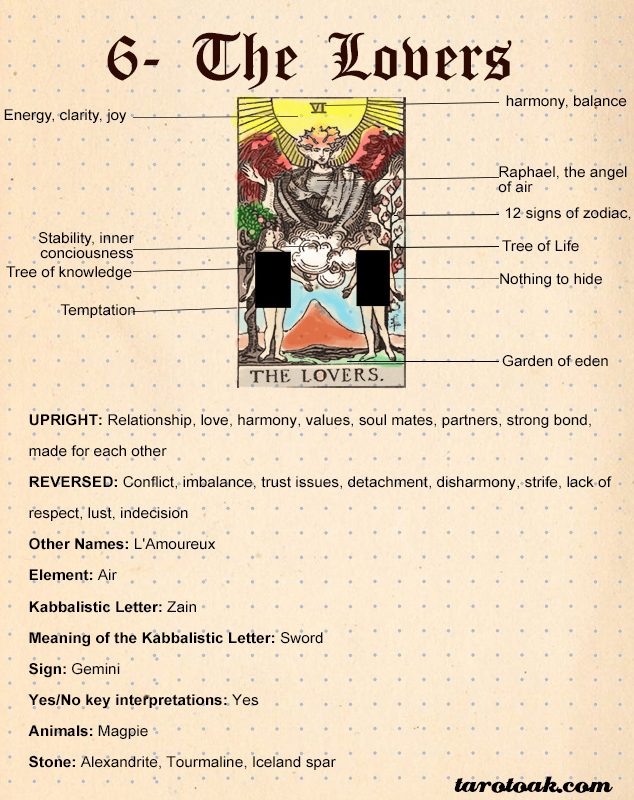
Embarking on a journey through the Lovers card starts with understanding its visual representation. Traditionally, the card depicts a man and a woman standing in a lush garden, often with an angel hovering above them. This ethereal figure signifies divine guidance, underscoring that the relationships we forge and the decisions we make are influenced by a higher power. The settings generally are rich with symbols—trees, mountains, and a serpent—all contributing to the overall interpretation and depth of this card.
At its core, the Lovers card is commonly interpreted as a symbol of love and partnership. Yet, to regard it solely as a harbinger of romantic entanglements would be to overlook its profound implications. This card speaks to an array of connections we have in our lives—not just those of a romantic nature. It emphasizes the importance of unity, harmony, and a balance of energies, reflecting the interplay of duality in our lives. The lovers might represent dualities, such as masculine and feminine, conscious and subconscious, or even light and shadow.

A common observation surrounding the Lovers card is its portrayal of choice. Often within a relationship or significant partnership, individuals face pivotal decisions. The card serves as a reminder that these choices can lead to personal growth, whether they are pleasant or challenging. It compels individuals to weigh the impact of their decisions, not only on their lives but also on the lives of those intimately involved. The Lovers card nudges the querent towards introspection, urging them to assess their values, desires, and intentions as they navigate the labyrinth of connection.
When individuals draw the Lovers card in a reading, it often invites them to consider the nature of their relationships: Are they nurturing or depleting? Do they reflect mutual respect and understanding? This reflection paves the way to fostering intimacy and may lead to revelations about oneself, which can catalyze healing and transformation.
Yet the allure of the Lovers card extends beyond interpersonal relationships. It resonates with the concept of self-love and acceptance. In modern society, the quest for love often becomes entangled with societal expectations and external validation. The Lovers card challenges this notion, advocating that the most profound relationship one can cultivate is the one with oneself. It beckons individuals to embrace their own complexities, to love themselves unconditionally, and to accept their flaws as integral components of their identity.
Moreover, the Lovers card signifies the importance of harmony in decisions that transcend personal relationships. It hints at the choices between path A and path B, a representation of crucial decisions in one’s life journey. This duality extends into various realms of existence, including career aspirations, lifestyle changes, or personal growth endeavors. It reinforces a notion often overlooked: that every choice carries the potential to lead to profound consequences, shaping the canvas of our lives.
Furthermore, the card’s deeper symbolism reflects fidelity—not just in relationships but in oneself. It raises questions about commitment, alignment, and authenticity. Individuals drawn to this card may find themselves examining where they have compromised their values or strayed from their true purpose, emphasizing the significance of living authentically in both intimate and broader contexts.
As philosophical as the Lovers card may seem, its interpretations are also rooted in practical guidance. The card invites open communication in relationships, emphasizing that love flourishes in the presence of honesty and vulnerability. The essence of engagement with the Lovers card fosters an atmosphere where individuals feel safe to express their innermost thoughts and feelings. Through assertive dialogue, couples stand to deepen their bond, strengthening their commitment to one another and crafting an enriching partnership.
The beauty of the Lovers card lies in its malleability. It invites varying interpretations depending on the context of the reading and the surrounding cards. When appearing with supportive or enriching cards, it serves as a beacon of hope and encouragement, heralding joyful unions and harmonious decisions. Conversely, when juxtaposed with discordant cards, it may serve as a cautionary symbol, warning of disconnection or misalignment in one’s choices.
In conclusion, the Lovers card transcends the archetype of romantic love that many initially associate with it. It encapsulates broader themes of unity, choice, authenticity, and self-love. It serves as a potent reminder of the integral relationships we cultivate—both with others and ourselves—and prompts a deeper contemplation of our decisions and values. The depths of this card extend far beyond the surface, inviting those willing to engage with its rich symbolism to uncover profound insights about their life’s journey.
FAQ
What does the Lovers card represent in Tarot?
The Lovers card represents love, partnership, and the significance of choices in relationships.
How can the Lovers card influence personal growth?
It encourages introspection and emphasizes the importance of self-love and authenticity in relationships.

Leave a Reply