Short Answer
Welcome to a fascinating exploration of avian diversity and the intriguing concept of birds that embody both male and female traits. In this guide, you’ll discover the rare phenomenon of gynandromorphism in birds, where individuals exhibit a striking blend of male and female characteristics. You’ll also learn about the poses these birds often adopt, the playful questions their existence raises, and the challenges they present to our understanding of biology. By the end, you’ll have a deeper appreciation for these obscure yet captivating creatures and the mysteries they hold.
What Is Gynandromorphism in Birds?
Gynandromorphism is a biological phenomenon where an organism displays both male and female physical traits. In birds, this can manifest as a single individual having one side of the body displaying male plumage and the other side exhibiting female plumage. This condition is rare but has been documented in several bird species, including chickens, pigeons, and even some songbirds. The cause of gynandromorphism is often attributed to errors during cell division, specifically when the sex chromosomes fail to separate properly during the formation of the embryo. This results in a mix of male (ZZ) and female (ZW) cells within the same organism.

Visually, gynandromorphic birds can be stunning, with a clear division along the body’s midline. For example, one side may feature bright, colorful male plumage, while the other side displays more subdued, female-typical feathers. This striking contrast makes these birds a subject of fascination for both scientists and bird enthusiasts alike.
The Playful Question: Can Gynandromorphic Birds Reproduce?
One of the most intriguing questions surrounding gynandromorphic birds is whether they can reproduce. The answer is complex and depends on the specific biology of the individual. In many cases, gynandromorphic birds are sterile due to the imbalance in their reproductive organs. However, there have been rare instances where these birds have successfully mated and produced offspring. This raises further questions about the role of hormones, genetics, and environmental factors in determining the reproductive capabilities of such birds.
For birdwatchers and researchers, encountering a gynandromorphic bird in the wild is a rare and exciting opportunity. These birds often stand out due to their unique appearance, making them a subject of curiosity and study. Their existence challenges our traditional understanding of sex and gender in the animal kingdom, prompting us to reconsider the fluidity of biological traits.
Poses That Highlight the Obscure Beauty of Gynandromorphic Birds
The poses of gynandromorphic birds can be just as captivating as their appearance. These birds often adopt postures that emphasize their unique features, such as spreading their wings to display the contrast between male and female plumage. In some cases, they may puff up their feathers or tilt their heads to showcase the division of traits more prominently. Observing these poses can provide valuable insights into how these birds navigate their environment despite their unusual biology.
For artists and photographers, capturing the essence of a gynandromorphic bird in a pose can be a rewarding challenge. The play of light and shadow on their feathers can accentuate the differences between the two sides of their body, creating a visually striking image. Whether in the wild or in a controlled setting, these poses offer a glimpse into the adaptability and resilience of these rare birds.
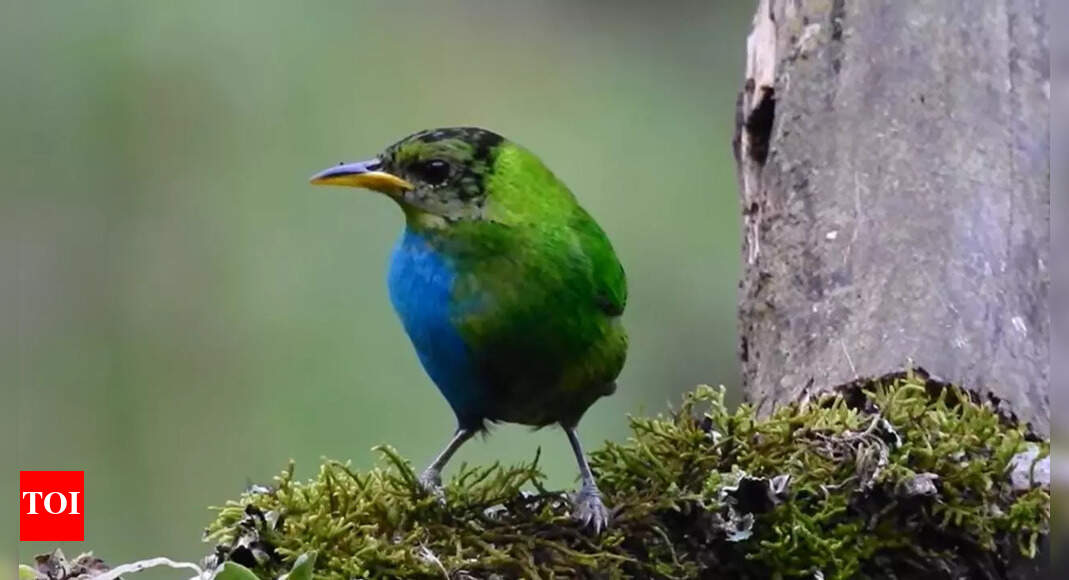
In fantasy and creative works, gynandromorphic birds are often depicted in dynamic poses that highlight their dual nature. These artistic interpretations can serve as a metaphor for the blending of opposites or the celebration of diversity. Whether in literature, art, or media, these poses invite viewers to ponder the beauty of nature’s anomalies.
The Potential Challenge: Conservation and Awareness
While gynandromorphic birds are a marvel of nature, their rarity also presents challenges for conservation efforts. Because these birds are uncommon, there is limited data on their populations and the threats they face. Habitat loss, climate change, and pollution are just a few of the factors that could impact their survival. Raising awareness about gynandromorphism and its implications for biodiversity is crucial for ensuring the protection of these unique individuals.
For bird enthusiasts and researchers, documenting sightings of gynandromorphic birds can contribute valuable data to scientific studies. Citizen science initiatives and collaborative research projects can help track these birds and monitor their health and behavior. By sharing knowledge and experiences, we can foster a greater understanding of gynandromorphism and its role in the natural world.
Conclusion
Gynandromorphic birds, with their blend of male and female traits, are a testament to the complexity and wonder of nature. From their striking poses to the playful questions they inspire, these birds challenge our perceptions of sex, gender, and biology. While their rarity presents challenges, it also offers an opportunity to deepen our appreciation for the diversity of life on Earth. By studying and protecting these obscure yet captivating creatures, we can contribute to a greater understanding of the natural world and the mysteries it holds.
FAQ
What is gynandromorphism?
Gynandromorphism is a biological phenomenon where an organism displays both male and female physical traits, often seen in birds.
Can gynandromorphic birds reproduce?
While many gynandromorphic birds are sterile due to reproductive organ imbalances, there have been rare cases of successful reproduction.
Why are gynandromorphic birds significant to study?
They challenge our understanding of sex and gender in biology and highlight the complexities of genetic traits in animals.

Leave a Reply