Short Answer
Dive into the enigmatic world of Mayan Tarot, where ancient symbolism meets modern divination. This guide will explore the profound meanings behind Mayan Tarot cards, their cultural significance, and how they bridge the gap between past and present. Whether you’re a seasoned tarot reader or a curious newcomer, you’ll uncover the hidden layers of wisdom that make Mayan Tarot a captivating tool for self-discovery and spiritual growth.
The Origins and Significance of Mayan Tarot
The Mayan civilization, known for its advanced astronomical knowledge and intricate calendar systems, left behind a rich legacy of symbols and archetypes. Mayan Tarot decks draw from this ancient tradition, blending sacred imagery with the structure of traditional tarot. Unlike standard tarot decks, Mayan Tarot incorporates elements like the Mayan calendar, deities, and cosmic symbols, offering a unique lens through which to interpret life’s mysteries.
The fascination with Mayan Tarot often stems from its ability to evoke a sense of connection to a civilization that thrived thousands of years ago. The symbols used in these decks—such as the feathered serpent Quetzalcoatl, the jaguar, and the sacred ceiba tree—are not merely decorative; they carry deep spiritual and cultural meanings. For many, working with Mayan Tarot becomes a way to tap into this ancient wisdom and apply it to contemporary challenges.
Understanding the Mayan Tarot Structure
Mayan Tarot decks typically follow the structure of traditional tarot, consisting of 78 cards divided into the Major Arcana and Minor Arcana. However, the imagery and themes are distinctly Mayan. The Major Arcana often includes cards like “The Vision Serpent,” representing transformation and spiritual insight, or “The Sun God,” symbolizing vitality and enlightenment. These cards serve as gateways to deeper understanding, much like their counterparts in standard tarot.
The Minor Arcana in Mayan Tarot is divided into four suits, each corresponding to an element: Earth, Air, Fire, and Water. For example, the suit of Earth might feature symbols like maize or jade, reflecting abundance and growth, while the suit of Fire could include images of the sun or volcanic eruptions, representing passion and energy. This elemental structure allows for a nuanced interpretation of daily life events, much like traditional tarot, but with a Mayan twist.
Key Mayan Tarot Cards and Their Meanings
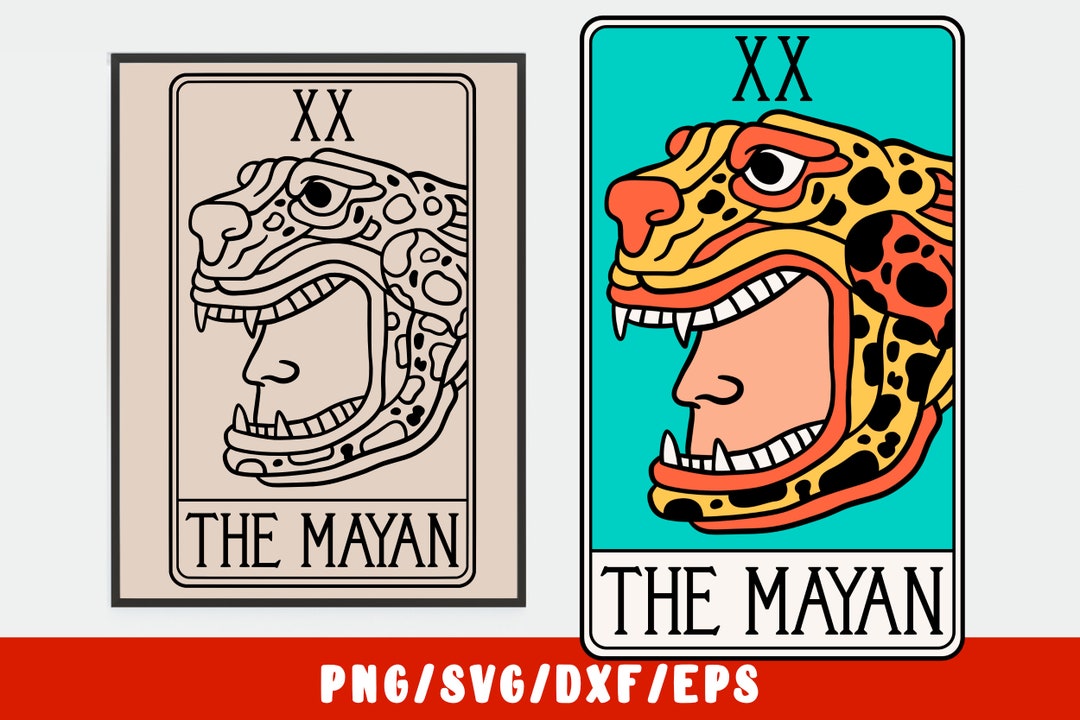
One of the most iconic cards in Mayan Tarot is “The Vision Serpent,” often associated with the Major Arcana. This card represents the ability to see beyond the physical realm, tapping into spiritual visions and hidden truths. When this card appears in a reading, it may indicate a need for introspection or a call to explore one’s subconscious mind.
Another significant card is “The Sun God,” which embodies energy, vitality, and enlightenment. This card often signals a period of personal growth or a breakthrough in understanding. Its presence in a reading can suggest that the querent is on the right path toward achieving their goals, or it may encourage them to embrace their inner light and share it with others.
The “Jaguar” card is another powerful symbol in Mayan Tarot, representing strength, courage, and the ability to navigate through challenges. This card often appears when the querent needs to tap into their inner resilience or when they are being called to take bold action. The jaguar is also a guardian of the underworld in Mayan mythology, making this card a reminder of the cyclical nature of life and death.
The Role of the Mayan Calendar in Tarot Readings
The Mayan calendar, particularly the Tzolk’in (a 260-day sacred calendar), plays a crucial role in Mayan Tarot readings. Each day in the Tzolk’in is associated with a specific energy or archetype, which can influence the interpretation of the cards drawn in a reading. For example, if a reading is conducted on a day ruled by the “Ahau” (the sun), the cards may emphasize themes of clarity, vitality, and leadership.
Incorporating the Mayan calendar into tarot readings adds a layer of precision and depth. It allows the reader to align the reading with the natural rhythms of time, providing insights that are not only intuitive but also grounded in ancient wisdom. This fusion of tarot and the Mayan calendar creates a powerful tool for understanding life’s cycles and making informed decisions.
How Mayan Tarot Differs from Traditional Tarot
While Mayan Tarot shares the same foundational structure as traditional tarot, its unique imagery and cultural context set it apart. Traditional tarot decks, such as the Rider-Waite-Smith, draw from European esoteric traditions, while Mayan Tarot decks are rooted in Mesoamerican spirituality. This difference can make Mayan Tarot particularly appealing to those seeking a connection to indigenous wisdom or a fresh perspective on divination.
Another key difference is the emphasis on cosmic and natural elements in Mayan Tarot. Many cards feature celestial bodies, animals, and plants that hold specific meanings in Mayan culture. For instance, the “Ceiba Tree” card symbolizes the connection between the earthly and spiritual realms, while the “Obsidian Mirror” card represents introspection and the unveiling of hidden truths. These symbols offer a rich tapestry of meanings that can enrich any tarot practice.
Practical Tips for Reading Mayan Tarot
If you’re new to Mayan Tarot, start by familiarizing yourself with the deck’s imagery and symbolism. Spend time studying each card, noting the animals, deities, and natural elements depicted. You may also want to research Mayan mythology and cosmology to deepen your understanding of the cards’ meanings.
When conducting a reading, pay attention to the querent’s intuition and the emotions evoked by the cards. Mayan Tarot is highly symbolic, so it’s important to allow the imagery to speak to you on a personal level. You can also incorporate elements of the Mayan calendar into your readings by aligning the cards with the day’s energy or the querent’s birth date in the Tzolk’in.
For those interested in creating their own Mayan Tarot deck, consider drawing inspiration from historical artifacts, codices, and archaeological findings. This hands-on approach can deepen your connection to the material and provide a unique perspective on Mayan spirituality.
Conclusion
Mayan Tarot offers a captivating blend of ancient wisdom and modern divination, inviting readers to explore the depths of their subconscious while connecting with a rich cultural heritage. By understanding the symbols, structure, and significance of Mayan Tarot, you can unlock new layers of insight and guidance in your readings. Whether you’re drawn to the Vision Serpent, the Sun God, or the Jaguar, each card holds a story waiting to be uncovered. Embrace the mystery and let the wisdom of the Mayan tradition illuminate your path.
FAQ
What is Mayan Tarot?
Mayan Tarot is a form of tarot reading that incorporates symbols and themes from the ancient Mayan civilization, offering unique insights and interpretations.
How does Mayan Tarot differ from traditional tarot?
Mayan Tarot uses imagery and symbolism rooted in Mesoamerican spirituality, contrasting with the European influences found in traditional tarot decks.
What role does the Mayan calendar play in tarot readings?
The Mayan calendar provides specific energies associated with days that can influence the interpretation of tarot cards during readings.
Leave a Reply