Short Answer
The intricate world of tarot cards presents a canvas for exploration that juxtaposes mysticism with established belief systems. Understanding the meaning of each tarot card through a Christian lens offers a unique perspective that can foster deeper introspection and spiritual growth. Below is a detailed examination of the major and minor arcana in tarot, specifically through the perspectives of Christian theology and symbolism.
Major Arcana Analysis
The Major Arcana comprises 22 cards, each symbolizing profound spiritual truths. These cards articulate the human experience and the divine journey through life’s trials and tribulations. Examining each card, one can delve into its meaning while reflecting on how it resonates with Christian beliefs.

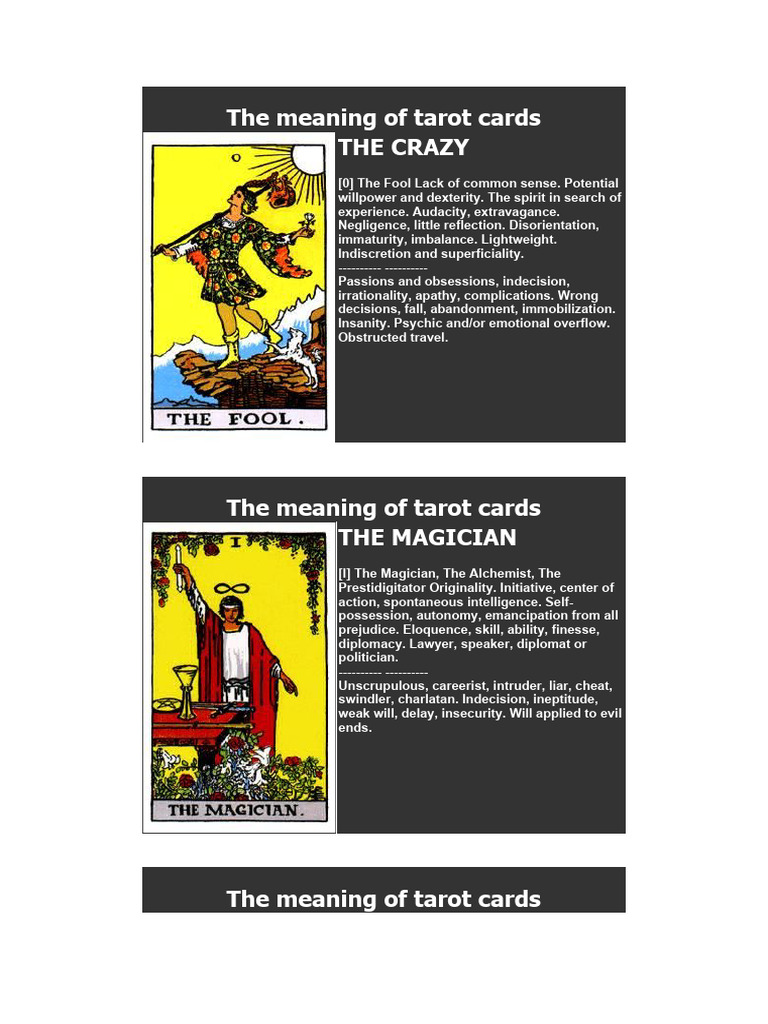
The Fool
The Fool embodies new beginnings, innocence, and exploration. In Christian faith, this card can symbolize the concept of childlike faith, as Jesus emphasized embracing the humble and innocent nature of a child. It invites believers to embrace new spiritual journeys, leaning on divine guidance.
The Magician
This card signifies manifestation and resourcefulness. From a Christian perspective, the Magician may reflect the idea of divine creation. It can remind individuals that they are co-creators with God, endowed with talents to harness for His glory. However, discerning the intention behind action is crucial, as misusing one’s gifts can lead to temptation.
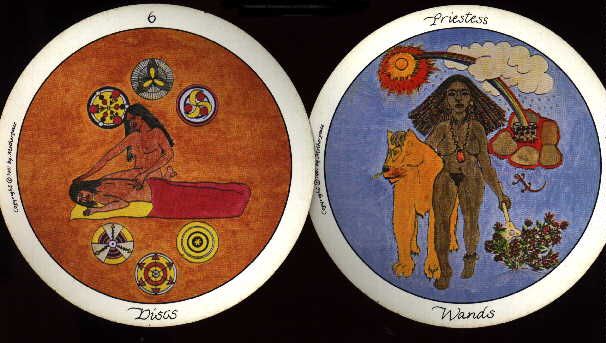
The High Priestess
The High Priestess symbolizes intuition and the subconscious. In Christianity, this card echoes the importance of discernment and the Holy Spirit’s guidance in understanding divine will. It encourages believers to delve into their inner spirituality and seek wisdom through prayer and contemplation.
The Empress
A harbinger of abundance and nurturing, the Empress represents femininity and fertility. This card aligns with Christian values of motherhood and the care exemplified by figures such as the Virgin Mary. The embrace of love, compassion, and creation reflects God’s nurturing spirit in the world.
The Emperor
The Emperor denotes authority, stability, and structure. From a Christian viewpoint, this card resonates profoundly with the concept of divine order, representing God’s kingdom and His expectation for humanity to embody righteousness, leadership, and responsibility in their lives.
The Hierophant
This card signifies tradition and spiritual guidance. It offers a direct tie to the Church and the embodiment of sacred teachings. In a Christian context, it reflects the values of faith, doctrine, and the importance of community in one’s spiritual journey, enabling believers to connect more deeply with collective worship and learning.
The Lovers
The Lovers card delves into choices and relationships. Juxtaposed against Christian ideals, it emphasizes the sanctity of love, relationships, and the divine union modeled in marriage. It invokes the teachings of loving one’s neighbor and the importance of meaningful connections grounded in faith.
The Chariot
The Chariot represents victory and determination. This card, viewed through a Christian lens, symbolizes the struggle against sin and the journey toward spiritual enlightenment. Believers are reminded of Christ’s triumph over adversity, encouraging them to persevere and remain steadfast in their faith.
Minor Arcana Insights
Cups
Cups symbolize emotions, relationships, and spirituality. They evoke the Biblical framework of love, joy, and compassion. For instance, the Ace of Cups signifies the blessing of divine love and grace, akin to the outpouring of the Holy Spirit. The existing relationship dynamic among believers mirrors the communal aspect of the Eucharist, emphasizing fellowship and shared experience.
Pentacles
Pentacles represent material aspects, such as work, finances, and physical well-being. In a Christian context, they can reflect stewardship and the responsible use of earthly resources. The Ten of Pentacles invites reflection on generational wealth and legacy, aligning with scripture that speaks of honoring one’s ancestors and providing for future generations.
Swords
Swords denote intellect, conflicts, and challenges. They often signify the struggles one faces in life, paralleling spiritual warfare referenced throughout the Bible. The Eight of Swords, for example, can represent feelings of entrapment, reminding believers of the importance of faith and God’s power to liberate them from spiritual bondage.
Wands
Wands symbolize creativity, action, and inspiration. They resonate with the idea of purpose and passion in serving God. The Three of Wands encourages expansion and foresight, reminiscent of the Great Commission, where believers are called to explore uncharted territories in faith and evangelism. Here, the imagery reflects both individual ambition and collective mission in a Christian context.
Conclusion
Exploring the meanings of tarot cards through a Christian perspective unveils rich layers of understanding regarding personal growth and spirituality. Although tarot is often regarded as a tool of divination, when approached through the lens of faith, it can serve as a catalyst for reflection and deeper connection with God. By interpreting each card’s symbolism within the framework of Christian values, individuals can engage with their spiritual journeys more profoundly and thoughtfully, navigating life’s complexities in alignment with their beliefs.
FAQ
What do the tarot cards symbolize?
Each tarot card symbolizes different aspects of life, emotions, and spiritual lessons, offering insights for personal growth and reflection.
How can one start learning to read tarot cards?
Begin by familiarizing yourself with the meanings of each card, practicing spreads, and reflecting on the messages they convey in your life.
Leave a Reply