Short Answer
Have you ever gazed at the moon, only to feel as though it’s staring back at you—watching, judging, or perhaps even whispering secrets from the cosmos? What if I told you that the moon isn’t just a silent observer but a mirror reflecting our own illusions? In this guide, we’ll explore the phenomenon of “Moon Reversed – Illusions Crumbling,” a captivating concept that challenges our perception of reality, time, and even ourselves. By the end, you’ll see the moon not just as a celestial body, but as a symbol of transformation and revelation. Ready to dive in?
The Moon as a Mirror: Reflecting More Than Light
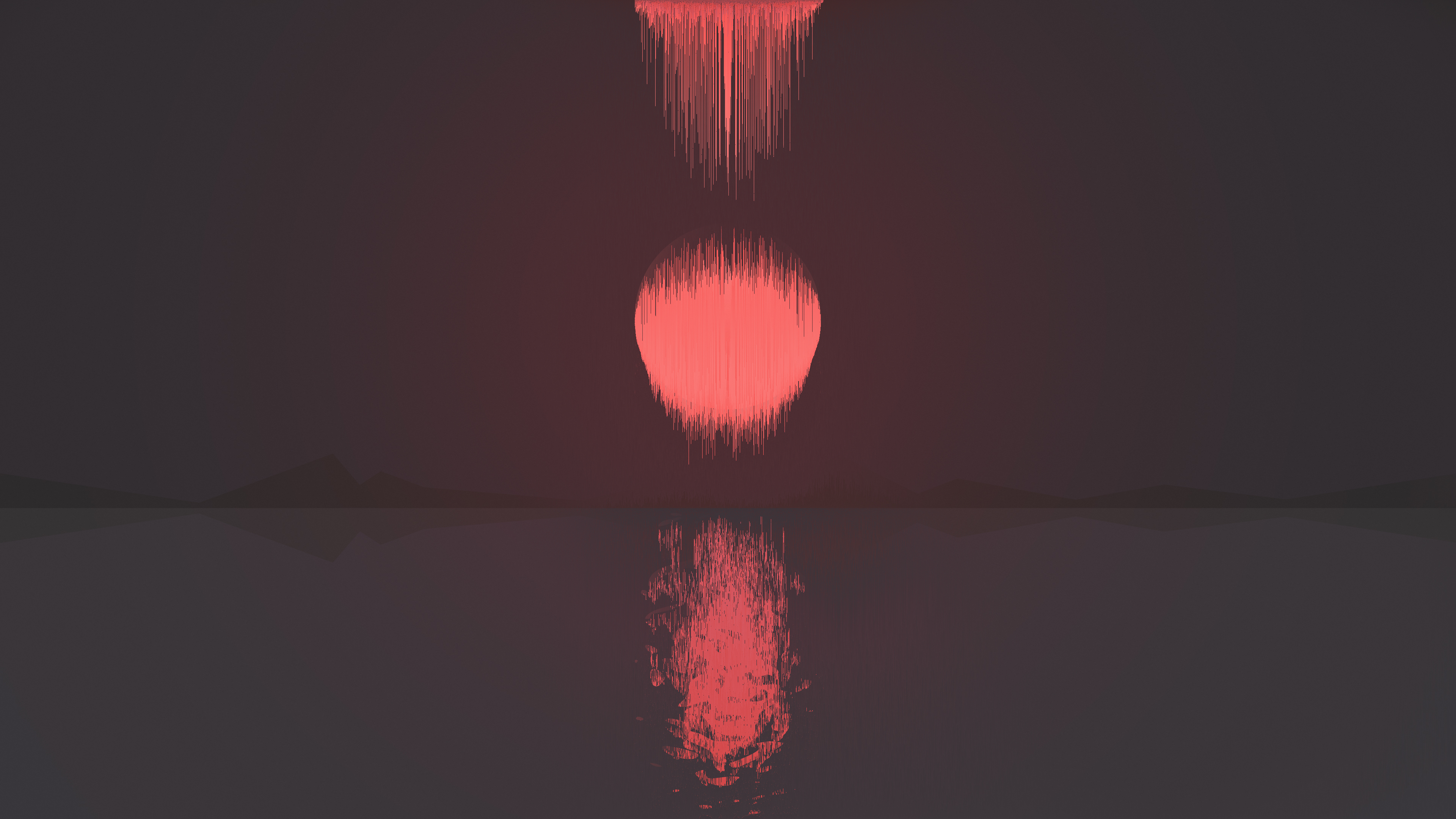
The moon has long been a symbol of mystery, intuition, and the subconscious. Ancient cultures worshipped it as a deity, poets wrote odes to its ethereal glow, and scientists dissected its craters and phases. But what if the moon does more than reflect sunlight? What if it reflects our own illusions—those beliefs, fears, and narratives we’ve woven around our lives? The concept of “Moon Reversed” suggests that the moon acts as a cosmic mirror, revealing the cracks in our carefully constructed realities.
Imagine standing under a full moon, feeling its pull not just on the tides but on your thoughts. The “reversed” aspect implies a shift in perspective: instead of seeing the moon as distant and unchanging, we begin to recognize it as a dynamic force that exposes our hidden truths. This reversal isn’t about the moon itself changing but about our perception of it—and, by extension, our perception of ourselves.
Illusions Crumbling: The Science Behind the Phenomenon
To understand how the moon can crumble our illusions, we must first explore the psychology of perception. Our brains are wired to fill in gaps, to create patterns where none exist, and to cling to familiar narratives. This is known as pareidolia—the tendency to perceive meaningful images in random stimuli. The moon, with its ever-changing phases and occasional distortions (like the “moon illusion” where it appears larger near the horizon), becomes a perfect canvas for these mental projections.
The “moon illusion” is a classic example. When the moon is low on the horizon, our brains compare it to nearby objects like trees or buildings, making it seem larger than when it’s high in the sky. This optical trick highlights how easily our perceptions can be manipulated. Similarly, the “Moon Reversed” concept suggests that the moon exposes these manipulations—not by changing, but by forcing us to confront the illusions we’ve built around our lives.

The Challenge of Seeing Clearly: How to Embrace the Reversal
So, how do we embrace the “Moon Reversed” and allow it to crumble our illusions? The first step is awareness. Start by observing the moon not just as a distant object but as a participant in your life. Keep a moon journal, noting how its phases correlate with your emotions, decisions, or even dreams. You might begin to see patterns—perhaps a full moon coincides with clarity, while a new moon brings introspection.
The next step is to question your assumptions. What illusions have you been clinging to? Are there beliefs about yourself, others, or the world that no longer serve you? The moon’s cyclical nature reminds us that change is constant. Just as the moon wanes and waxes, so too do our perceptions. Challenge the narratives you’ve accepted without question. Ask: Is this true, or is it an illusion I’ve created?
Finally, use the moon’s energy to set intentions. During a new moon, focus on releasing what no longer serves you. During a full moon, harness its light to illuminate your path forward. The “Moon Reversed” isn’t about destruction but about transformation—peeling back the layers of illusion to reveal the truth beneath.
The Moon’s Role in Myth and Modernity
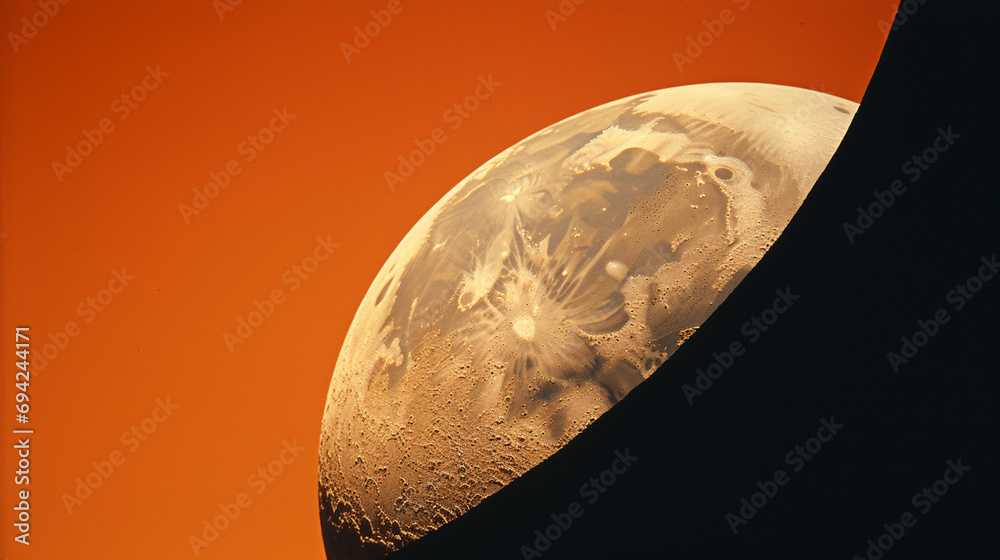
Throughout history, the moon has been a central figure in myths, religions, and cultural narratives. In Greek mythology, Selene, the goddess of the moon, drove her moon chariot across the sky, illuminating the world. In Hindu tradition, the moon is associated with the mind and consciousness, reflecting the ever-changing nature of thought. Even in modern times, the moon appears in literature, film, and art as a symbol of mystery and duality.
The “Moon Reversed” concept bridges ancient wisdom and contemporary psychology. It suggests that the moon’s cycles are not just physical phenomena but metaphors for our inner lives. When we align with these cycles—rather than resisting them—we allow our illusions to crumble naturally. The moon becomes a guide, helping us navigate the ebb and flow of life with greater clarity and purpose.
Conclusion
The moon is more than a distant, glowing orb—it’s a mirror, a teacher, and a catalyst for transformation. By embracing the “Moon Reversed” and allowing its illusions to crumble, we open ourselves to deeper self-awareness and growth. The next time you look up at the night sky, ask yourself: What illusions am I holding onto? Then, let the moon’s light guide you toward the truth.
Remember, the crumbling of illusions isn’t a loss—it’s a revelation. And the moon? It’s always been there, waiting for you to see it clearly.
FAQ
What does 'Moon Reversed' mean?
The ‘Moon Reversed’ refers to a perspective shift regarding the moon, suggesting it reveals our hidden illusions and encourages self-reflection.
How can I use the moon's phases for personal growth?
You can keep a moon journal to track your emotions and set intentions during new and full moons to help guide your self-discovery process.
Leave a Reply