Short Answer
This guide explores the fascinating world of the Norse Tarot, Nostradamus Tarot, and Cosmic Tarot decks, offering insights into their symbolism, historical roots, and the psychological allure that draws people to these divination tools. Whether you’re a seasoned tarot reader or a curious newcomer, you’ll discover how these decks blend ancient traditions with modern interpretations to create powerful tools for self-reflection and prophecy. By the end, you’ll understand why these decks resonate so deeply with seekers of wisdom and guidance.
The Allure of Norse Tarot: A Bridge Between Myth and Divination
The Norse Tarot deck is more than just a collection of cards—it’s a visual and spiritual journey into the myths, gods, and cosmology of the Viking Age. Unlike traditional tarot decks, which draw heavily from the Rider-Waite-Smith tradition, the Norse Tarot incorporates runes, mythological figures like Odin and Freyja, and the nine realms of Yggdrasil. This fusion of Norse lore with tarot symbolism creates a unique language of divination that speaks to those drawn to the raw, untamed energy of the North.
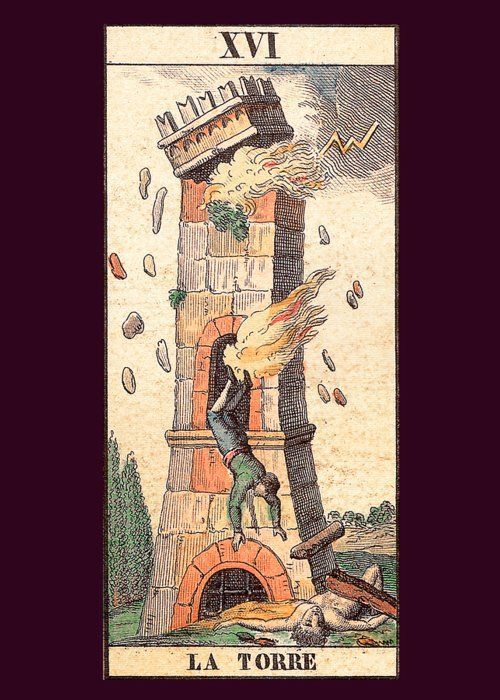
One of the most compelling aspects of the Norse Tarot is its emphasis on fate and destiny. The concept of wyrd, or the interconnected web of fate, is central to Norse mythology and translates beautifully into tarot readings. Cards like The World (representing the cycle of life and death) or The Tower (symbolizing sudden upheaval) take on new dimensions when framed through a Norse lens. For many, this deck feels like a direct conversation with the gods themselves, offering a sense of ancestral connection and timeless wisdom.

Nostradamus Tarot: Decoding Prophecy Through Symbolism
The Nostradamus Tarot deck is a fascinating blend of historical prophecy and tarot archetypes, designed to channel the enigmatic visions of the 16th-century seer Michel de Nostredame. Unlike other decks that focus on psychological or spiritual growth, the Nostradamus Tarot leans into the idea of foretelling the future, making it a favorite among those who believe in precognition or synchronicity. The deck often features cryptic imagery, astrological symbols, and references to Nostradamus’ famous quatrains, creating a sense of mystery that invites deep contemplation.
What makes this deck particularly intriguing is its emphasis on duality—light and shadow, fate and free will, prediction and interpretation. Cards like The Fool (often linked to sudden revelations) or The Hanged Man (symbolizing suspended time) take on prophetic weight when viewed through the lens of Nostradamus’ writings. For skeptics, the deck serves as a playful exercise in pattern recognition, while for believers, it offers a tangible way to engage with the idea of destiny. The Nostradamus Tarot doesn’t just predict the future; it challenges the reader to question what prophecy truly means.
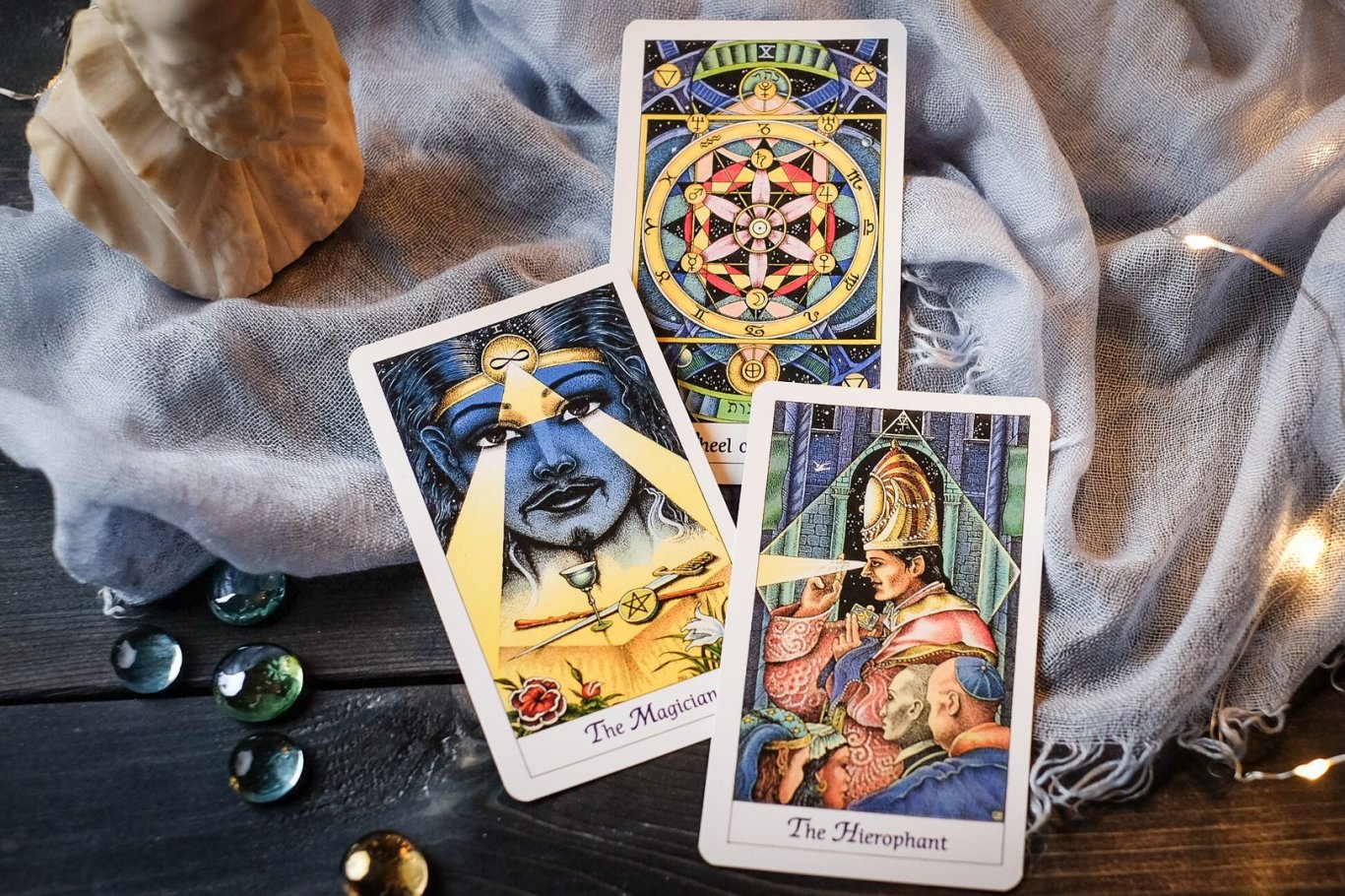
Cosmic Tarot: A Modern Alchemy of Astrology and Archetypes
The Cosmic Tarot deck stands out for its fusion of astrological symbolism, Jungian psychology, and universal archetypes. Created by Norbert Lösche and Hans-Jürgen Buchner, this deck is a visual feast of cosmic imagery, from zodiac signs to planetary alignments, all woven into the traditional tarot structure. Unlike decks that focus solely on one tradition, the Cosmic Tarot embraces a holistic approach, making it accessible to readers who see divination as a language of the universe itself.
One of the most striking features of the Cosmic Tarot is its use of color and light to convey meaning. The Major Arcana cards, in particular, feel almost three-dimensional, with each card radiating its own unique energy. For example, The Sun card is bathed in golden hues, symbolizing clarity and vitality, while The Moon card drips with deep blues and purples, evoking the subconscious and intuition. This deck doesn’t just tell a story—it immerses the reader in a cosmic narrative where every card is a planet, a star, or a celestial event.
For those drawn to astrology, the Cosmic Tarot offers a seamless bridge between the two systems. Cards like The Star (linked to Aquarius) or The Emperor (associated with Aries) align with astrological correspondences, allowing readers to blend tarot spreads with natal chart interpretations. This makes the deck especially appealing to those who see divination as a way to decode the language of the cosmos.

Why These Decks Resonate: The Psychology Behind the Fascination
The enduring appeal of the Norse Tarot, Nostradamus Tarot, and Cosmic Tarot lies in their ability to tap into deep psychological and spiritual needs. At their core, these decks offer more than just predictions—they provide a framework for understanding the human experience. The Norse Tarot speaks to our desire for ancestral connection and the raw power of nature, while the Nostradamus Tarot feeds into our fascination with fate and the unknown. The Cosmic Tarot, meanwhile, satisfies our longing to see ourselves as part of something greater—a universe governed by order and meaning.
Another key reason these decks captivate is their adaptability. They don’t demand rigid adherence to one tradition; instead, they invite personal interpretation. A reader might use the Norse Tarot to explore their shadow self through the lens of Odin’s wisdom, or they might turn to the Nostradamus Tarot to meditate on the cyclical nature of time. The Cosmic Tarot, with its astrological roots, allows for a dynamic interplay between intuition and cosmic order. This flexibility ensures that these decks remain relevant across cultures and belief systems.
Finally, these decks address a universal human longing: the search for meaning. In a world that often feels chaotic and unpredictable, tarot offers a sense of control—a way to impose order on the chaos. Whether through the mythic narratives of the Norse Tarot, the prophetic whispers of the Nostradamus Tarot, or the celestial harmony of the Cosmic Tarot, these decks provide a language for making sense of life’s mysteries. They remind us that, even in uncertainty, there is wisdom to be found.
Conclusion
The Norse Tarot, Nostradamus Tarot, and Cosmic Tarot decks each offer a unique gateway into the world of divination, blending ancient traditions with modern interpretations. The Norse Tarot connects us to the myths and gods of the North, the Nostradamus Tarot invites us to ponder the nature of prophecy, and the Cosmic Tarot unites us with the language of the stars. Together, they represent the diverse ways humans seek to understand their place in the universe.
Whether you’re drawn to the raw energy of Norse mythology, the cryptic allure of prophecy, or the harmonious blend of astrology and tarot, these decks provide more than just answers—they offer a mirror to the soul. By engaging with their symbolism, you’re not just reading cards; you’re participating in a timeless dialogue between the seen and unseen worlds. As you explore these decks, remember that their true power lies not in predicting the future, but in helping you navigate the present with greater clarity and purpose.
FAQ
What is the Norse Tarot?
The Norse Tarot is a tarot deck that incorporates Norse mythology, runes, and the cosmology of the Viking Age, offering a unique approach to divination.
How does the Nostradamus Tarot differ from traditional tarot decks?
The Nostradamus Tarot focuses on prophecy and future predictions, using cryptic imagery and references to Nostradamus’ writings.
What is the significance of the Cosmic Tarot?
The Cosmic Tarot blends astrology, Jungian psychology, and universal archetypes, creating a holistic approach to divination.
Leave a Reply