Short Answer
Welcome to your comprehensive guide on Of the Chariot – Willpower Wins. In this article, you’ll explore the profound symbolism, historical significance, and practical applications of willpower as a driving force for success. Whether you’re seeking motivation, strategic insights, or a deeper understanding of resilience, this guide covers it all. From ancient wisdom to modern-day strategies, you’ll discover how willpower shapes outcomes in war, leadership, and personal growth. Let’s dive into the key aspects that define the power of willpower and how it propels individuals and societies forward.
The Symbolism of Willpower in The Chariot Tarot Card
The Chariot in the Tarot deck is a powerful symbol of determination, control, and triumph through sheer willpower. Represented by a figure riding a chariot pulled by two sphinxes—one black and one white—the card embodies the balance between opposing forces. The charioteer’s armor and starry crown signify protection and divine guidance, while the absence of reins highlights the mastery of will over external influences. This imagery underscores the idea that willpower is not about brute force but about harnessing inner strength to navigate life’s challenges.
In readings, The Chariot often appears when you’re on the cusp of a significant achievement, urging you to trust your instincts and stay focused on your goals. The card’s upright position suggests forward momentum, while a reversed Chariot may indicate a struggle with self-discipline or external obstacles. Understanding this symbolism can provide clarity in decision-making and reinforce the belief that persistence and resolve are key to overcoming adversity.
Historical Perspectives: Willpower in War and Leadership
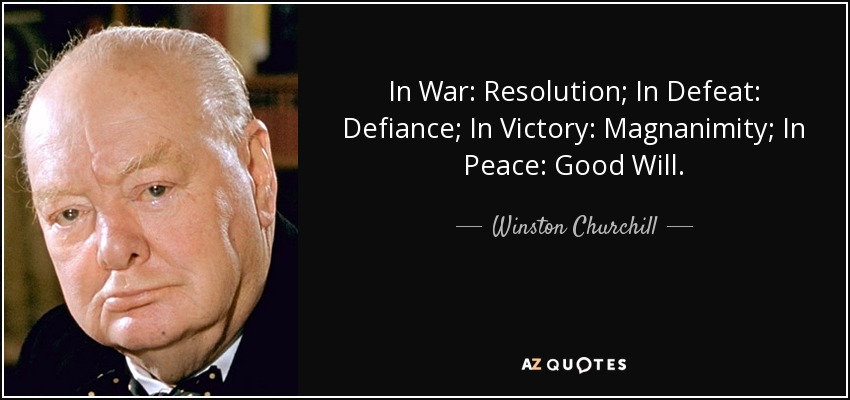
Throughout history, willpower has been the defining trait of great leaders and warriors. Figures like Winston Churchill exemplify how unyielding resolve can turn the tide of war and inspire nations. Churchill’s famous quote, “In War: Resolution; In Defeat: Defiance; In Victory: Magnanimity,” encapsulates the essence of willpower—not just in battle but in every aspect of life. His leadership during World War II demonstrated that mental fortitude often outweighs sheer resources in determining outcomes.
Similarly, ancient military strategies, such as those employed by Sun Tzu in The Art of War, emphasize the importance of psychological resilience. Sun Tzu argued that victory is won before the battle begins, through preparation, discipline, and an unshakable belief in one’s cause. These historical lessons highlight a universal truth: willpower is the foundation of perseverance, whether in combat, governance, or personal endeavors.
Psychological Foundations: The Science of Willpower
Willpower is not just a philosophical concept; it’s deeply rooted in psychology. Research by Roy Baumeister and others has shown that willpower functions like a muscle—it can be strengthened through practice but also depleted with overuse. This phenomenon, known as ego depletion, explains why self-control wanes after prolonged mental effort. However, studies also reveal that willpower can be replenished through rest, nutrition, and positive reinforcement.
Neuroscientifically, willpower is linked to the prefrontal cortex, the brain region responsible for decision-making and impulse control. Strengthening this area involves habits like setting clear goals, practicing mindfulness, and avoiding distractions. For instance, delaying gratification—such as choosing a healthy meal over junk food—trains the brain to prioritize long-term rewards over short-term impulses. Understanding these mechanisms empowers you to cultivate willpower as a skill rather than an innate trait.
Practical Strategies to Harness Willpower for Success
Applying willpower in daily life requires intentional strategies. One effective method is the implementation intention technique, where you pre-decide how to respond to challenges. For example, instead of vaguely resolving to “exercise more,” you might plan, “If it’s 6 PM, then I will go for a 30-minute run.” This specificity reduces decision fatigue and increases follow-through.
Another powerful tool is the 10-minute rule, which involves committing to a task for just 10 minutes. Often, starting is the hardest part, and once you begin, momentum carries you forward. Additionally, breaking large goals into smaller, manageable steps prevents overwhelm and builds confidence. For instance, if your goal is to write a book, start with a daily 200-word count rather than aiming for a chapter a day.
Accountability also plays a crucial role. Sharing your goals with a friend or joining a community (like a mastermind group) creates external pressure to stay on track. Tools like habit trackers or apps can provide visual progress updates, reinforcing your commitment. Remember, willpower thrives in an environment that supports consistency and minimizes friction.

Willpower in Personal Growth and Overcoming Adversity
On a personal level, willpower is the driving force behind self-improvement. Whether it’s quitting a bad habit, learning a new skill, or pursuing a passion, success hinges on your ability to persist despite setbacks. The journey is rarely linear; setbacks are inevitable, but willpower turns them into stepping stones. For example, Thomas Edison’s persistence in inventing the lightbulb—despite thousands of failures—illustrates how resilience fuels innovation.
Willpower also plays a pivotal role in mental health. Cognitive Behavioral Therapy (CBT) techniques, such as challenging negative thoughts and reframing failures as learning opportunities, rely on strengthening one’s resolve. Practicing self-compassion is equally important; beating yourself up for slip-ups can erode motivation, whereas acknowledging progress—no matter how small—sustains momentum.
Moreover, willpower extends beyond the individual. In relationships, it manifests as patience, empathy, and the willingness to compromise. In professional settings, it drives innovation, leadership, and the ability to inspire others. By cultivating willpower, you not only achieve personal milestones but also contribute to a culture of resilience and excellence around you.
Conclusion
Willpower is the invisible force that transforms dreams into reality. Whether symbolized by The Chariot Tarot card, demonstrated by historical leaders, or grounded in psychological research, its power is undeniable. By understanding its symbolism, leveraging historical insights, and applying practical strategies, you can harness willpower to overcome challenges and achieve your goals. Remember, willpower is not about perfection but persistence. Every small step forward builds the strength to conquer even the most daunting battles. As you embark on your journey, let this guide serve as a reminder: with willpower, victory is not a matter of chance but a result of choice.
FAQ
What does The Chariot Tarot card symbolize?
The Chariot symbolizes determination, control, and triumph achieved through willpower.
How can willpower be strengthened?
Willpower can be strengthened through practice, setting clear goals, and maintaining a supportive environment.
Leave a Reply