Short Answer
Ever wondered how to bridge the gap between past insights, present realities, and future possibilities? Whether you’re crafting a presentation, organizing a workshop, or simply trying to make sense of your own journey, the Past, Present, Future framework can be a game-changer. This guide will walk you through everything you need to know—from understanding the concept to downloading ready-to-use templates and handouts. By the end, you’ll be equipped to tackle challenges, spark creativity, and turn abstract ideas into actionable plans. Ready to dive in?
The Power of Past, Present, and Future: Why It Matters
The Past, Present, Future framework isn’t just a nostalgic trip or a futuristic daydream—it’s a structured way to analyze, reflect, and plan. By examining where you’ve been, where you are, and where you’re headed, you gain clarity and direction. This approach is widely used in business strategy, personal development, and even creative projects. For instance, businesses use it to assess market trends, while individuals apply it to career planning or life goals. The key is to recognize patterns from the past, address current challenges, and set intentional steps for the future. Without this balance, you risk operating in a vacuum—either stuck in the past or overwhelmed by uncertainty about what’s next.
How to Use the Framework in Presentations and Workshops
Presentations and workshops thrive on engagement, and the Past, Present, Future framework is a natural conversation starter. Start by setting the stage: introduce the three timeframes and explain their significance. For example, use a slide titled “Lessons from the Past” to highlight key milestones or failures that shaped your topic. Then, transition to “Where We Stand Today” to discuss current trends, challenges, or opportunities. Finally, pivot to “Envisioning the Future” to brainstorm possibilities or solutions. This structure keeps your audience hooked and ensures they leave with a holistic understanding. Pro tip: Use visuals like timelines or infographics to make the transitions between timeframes seamless and memorable.
Downloading the Perfect Past, Present, Future Template
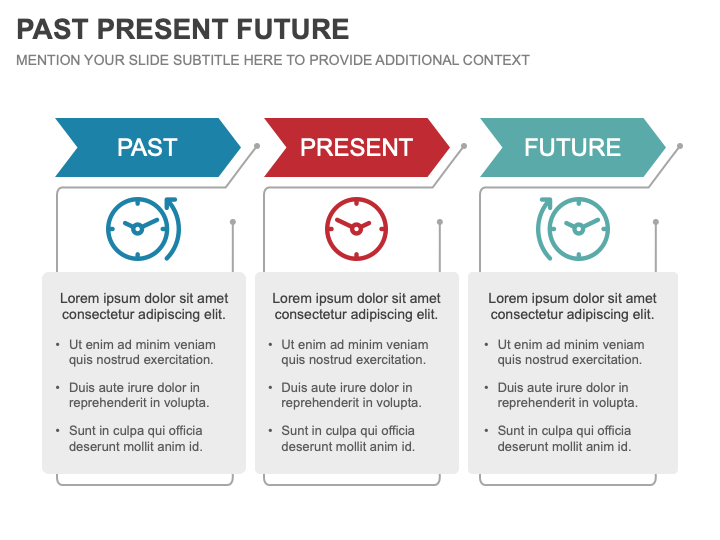
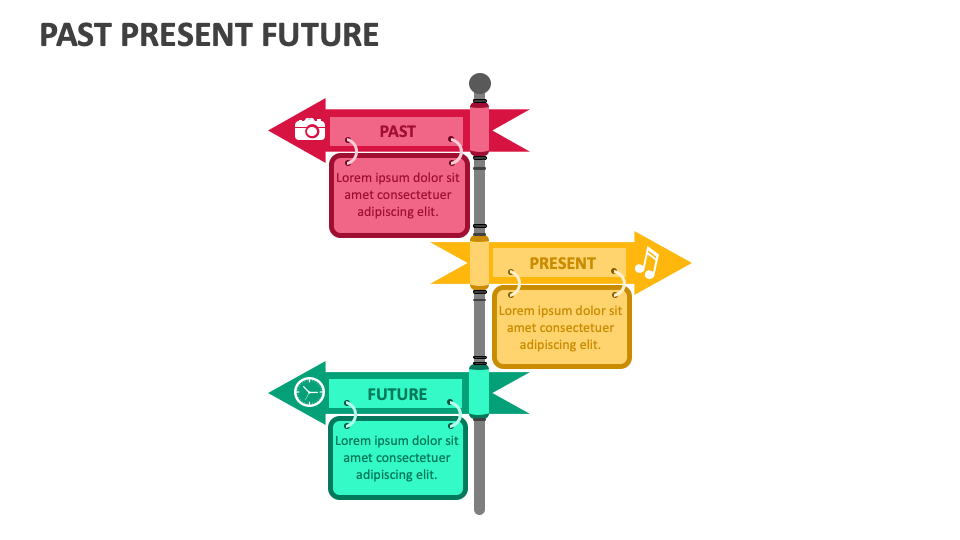
Why reinvent the wheel when you can leverage professionally designed templates? A well-crafted Past, Present, Future template saves time and ensures consistency. Look for templates that include:
- Slide layouts for each timeframe, with placeholders for text and images.
- Color schemes that align with your brand or topic (e.g., warm tones for the past, neutral for the present, and bright for the future).
- Editable elements like icons, charts, or graphs to visualize data.
- High-resolution images that enhance storytelling without distracting from your message.
For PowerPoint or Google Slides, templates often come with pre-designed slides for each section, making it easy to plug in your content. If you’re working on a handout, opt for a PDF format that’s shareable and printable. The goal is to create a cohesive narrative that guides your audience through the journey effortlessly.
Turning Challenges into Opportunities with the Framework
Here’s a playful challenge: What if the past, present, and future weren’t separate entities but interconnected threads in a larger tapestry? This mindset shift can transform how you approach problems. For example, if you’re facing a current challenge, ask: “What did the past teach us about similar situations?” Then, explore: “How can we apply those lessons today to shape a better future?” This approach encourages proactive problem-solving. In a business context, it might mean using historical data to predict market shifts or in personal growth, reflecting on past mistakes to avoid repeating them. The framework isn’t just about looking backward or forward—it’s about using the past as a compass and the future as a destination.
Customizing Your Handout for Maximum Impact
A handout is more than a supplementary document—it’s a tool to reinforce your message. When creating a Past, Present, Future handout, focus on clarity and interactivity. Start with a brief introduction that outlines the purpose of the exercise or presentation. Then, dedicate sections to each timeframe, using bullet points, short paragraphs, or even fill-in-the-blank spaces for your audience to engage. Include visuals like graphs or images to break up text and make the content digestible. For the future section, add a call-to-action, such as a goal-setting exercise or a list of next steps. The handout should serve as a takeaway that your audience can reference long after the session ends.
Pro Tips for Delivering a Standout Presentation
Delivery is everything. To make your Past, Present, Future presentation unforgettable, consider these pro tips:
- Tell a story: Frame your content as a narrative. For example, “In 2020, we faced a major setback (Past). Today, we’ve adapted and grown (Present). Here’s how we’re preparing for 2025 (Future).”
- Use storytelling techniques: Incorporate anecdotes, quotes, or even a short video clip to illustrate points.
- Engage your audience: Ask open-ended questions like, “What’s one lesson from your past that shaped who you are today?”
- Keep it visual: Avoid text-heavy slides. Use images, icons, or minimal text to convey ideas.
- Practice transitions: Smoothly move between timeframes to maintain flow. Use phrases like, “Now that we’ve reflected on the past, let’s examine where we stand today.”
Where to Find High-Quality Resources
Finding the right resources can save you hours of work. For templates, explore platforms like SketchBubble, Scribd, or Collidu, which offer a variety of Past, Present, Future designs. SketchBubble provides PowerPoint templates with modern layouts, while Scribd offers downloadable handouts in PDF format. Collidu specializes in Google Slides and PowerPoint templates with customizable elements. Before downloading, check reviews or previews to ensure the template aligns with your needs. Many of these resources are free or available at a low cost, making them accessible for individuals and organizations alike.
Conclusion
The Past, Present, Future framework is more than a tool—it’s a mindset that empowers you to learn, adapt, and innovate. Whether you’re using it to craft a presentation, design a workshop, or simply reflect on your journey, the key is to embrace the interplay between these three timeframes. Start by downloading a template that resonates with your goals, customize it to fit your narrative, and deliver it with confidence. Remember, the past provides wisdom, the present offers clarity, and the future holds endless possibilities. Now, it’s your turn to bridge the gap and turn insights into action. What will your first step be?
FAQ
What is the Past, Present, Future framework?
The Past, Present, Future framework is a structured approach to analyze, reflect, and plan by examining insights from the past, current realities, and future possibilities.
How can I use this framework in my presentations?
You can use the framework by organizing your presentation into three sections: lessons from the past, current status, and future possibilities, engaging your audience with visuals and interactive elements.
Where can I find templates for the Past, Present, Future framework?
You can find templates on platforms like SketchBubble, Scribd, and Collidu, which offer a variety of designs suitable for presentations and handouts.

Leave a Reply