Short Answer
In this comprehensive guide, you’ll discover everything you need to know about the Phasmophobia Tarot Meanings List. You’ll learn what each of the 10 tarot cards represents, how they influence your ghost-hunting experience, and why they hold such fascination for players. Whether you’re a seasoned investigator or new to the game, understanding these cards will give you a strategic edge in unraveling the mysteries of the paranormal.
The Role of Tarot Cards in Phasmophobia
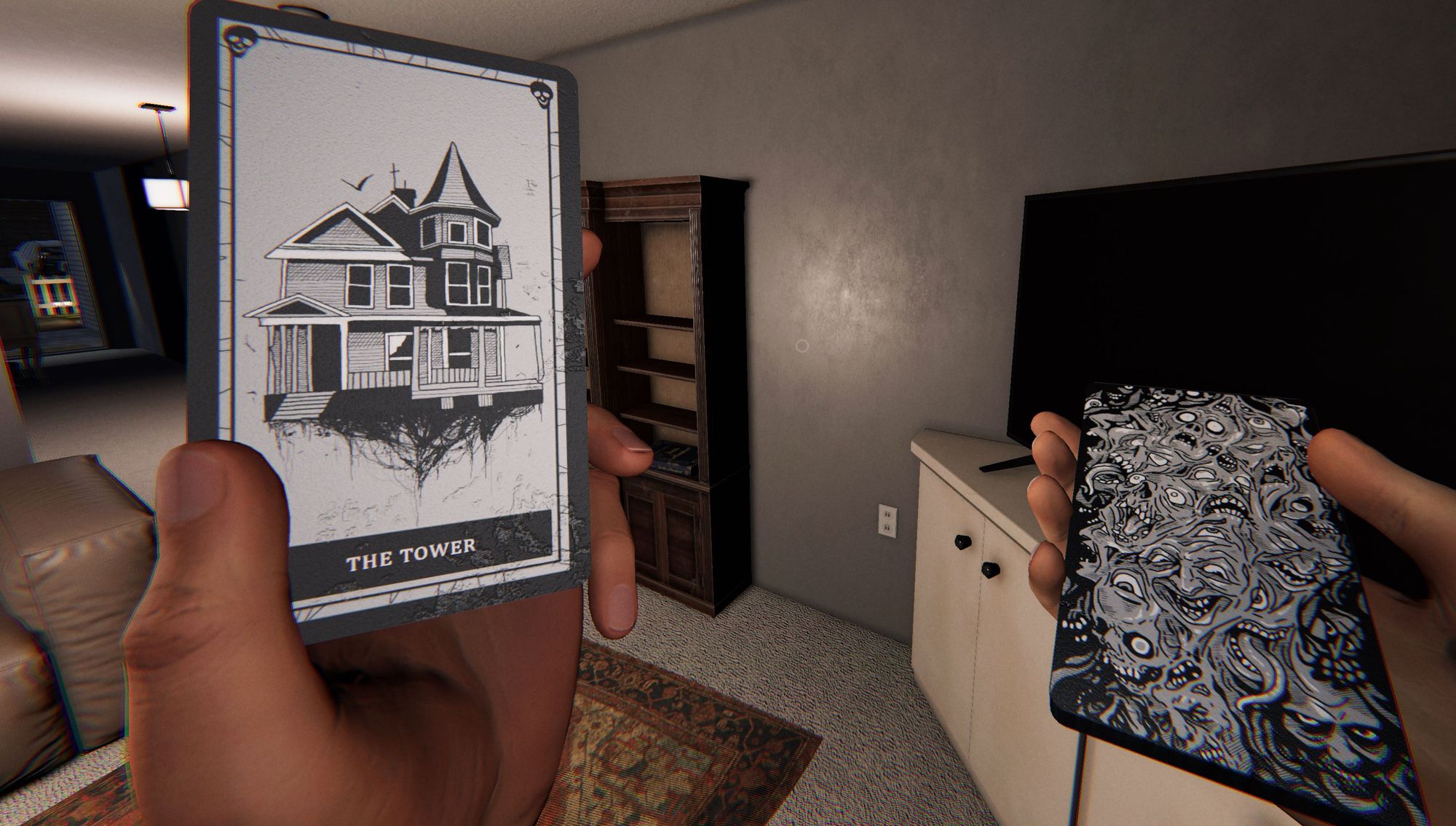
Tarot cards in Phasmophobia serve as a crucial tool for ghost identification and evidence gathering. Unlike traditional tarot readings, these cards appear randomly during investigations and provide cryptic clues about the ghost’s identity. Each card corresponds to a specific ghost type, behavior, or evidence trait, making them indispensable for narrowing down possibilities. The game’s developers have cleverly integrated tarot into the mechanics, ensuring that every pull offers meaningful insights rather than random noise. This system rewards attentive players who can interpret the cards’ meanings in real-time, adding a layer of strategy to the already tense ghost-hunting experience.
How Tarot Cards Are Pulled in the Game
Tarot cards are drawn when you interact with a specific item called the “Tarot Deck,” which can be found in the game’s world. Once picked up, you can perform a “tarot reading” action, which consumes the deck and reveals a card. The card’s appearance is accompanied by a haunting sound effect and a visual flash, signaling its importance. Each card drawn is random, but the game uses a weighted system to ensure certain cards appear more frequently based on the ghost’s type. This means that while no two readings are identical, patterns emerge over multiple investigations, helping players refine their ghost-hunting strategies.
Phasmophobia Tarot Meanings List: The 10 Cards Explained
The Fool
The Fool card represents a ghost that is unpredictable and prone to sudden, erratic behavior. Ghosts tied to this card may move objects without warning, scream at random intervals, or even teleport across the map. Players should be prepared for chaos when this card appears, as it suggests the ghost is in a highly active state. The Fool is often associated with the Demon or Revenant ghost types, both of which are known for their aggressive and unpredictable nature. Use this card as a warning to stay vigilant and avoid triggering the ghost unnecessarily.
The Magician
The Magician card indicates a ghost that is highly intelligent and capable of complex interactions. This ghost may use tools against you, such as turning lights on and off strategically or manipulating evidence in a calculated manner. The Magician is often linked to the Poltergeist or Banshee, both of which exhibit advanced ghostly behaviors. When this card appears, expect the ghost to be more methodical in its attacks. Players should prioritize gathering evidence quickly, as the ghost may attempt to mislead or distract you with false cues.
The High Priestess
The High Priestess card suggests a ghost that is deeply connected to the spiritual realm. This ghost may leave behind Spirit Box or EMF Level 5 evidence more frequently, and its interactions are often subtle yet profound. The High Priestess is commonly associated with the Wraith or Phantom, both of which have strong ties to the afterlife. Players should listen carefully for whispers or faint sounds, as this ghost may communicate in ways that are easy to miss. The card also hints at a higher likelihood of the ghost responding to religious items like crucifixes.
The Empress
The Empress card represents a nurturing yet dangerous ghost. This ghost may interact with objects in a way that feels almost maternal, such as rocking a baby’s cradle or gently moving a rocking chair. However, don’t be fooled by its deceptive calm—the Empress is often tied to the Banshee or Jinn, both of which can become aggressive if provoked. When this card appears, players should be cautious about triggering the ghost’s hunting phase, as it may strike suddenly after a period of eerie tranquility.
The Emperor
The Emperor card signifies a ghost that is authoritative and dominant. This ghost is likely to exhibit strong Fingerprints or Ghost Orbs evidence, and its interactions are often forceful and direct. The Emperor is commonly linked to the Demon or Revenant, both of which are known for their imposing presence. Players should expect this ghost to be less subtle in its approach, making it easier to identify but harder to evade. The card also suggests that the ghost may respond aggressively to attempts at banishment or exorcism.
The Hierophant
The Hierophant card points to a ghost that is deeply rooted in tradition and ritual. This ghost may leave behind Writing evidence more frequently, and its interactions often involve symbolic gestures, such as drawing symbols in the air or leaving messages on walls. The Hierophant is commonly associated with the Phantom or Revenant. Players should pay close attention to any written or drawn clues, as they may hold the key to identifying the ghost’s type or even its name.
The Lovers
The Lovers card suggests a ghost that is emotionally volatile and prone to dramatic interactions. This ghost may scream frequently, move objects in pairs, or exhibit signs of a tragic past. The Lovers is often tied to the Banshee or Jinn, both of which are known for their emotional intensity. When this card appears, players should be prepared for sudden outbursts of activity, including ghostly screams or apparitions. The card also hints at a higher likelihood of the ghost being female, though this is not a strict rule.
The Chariot
The Chariot card represents a ghost that is fast and relentless. This ghost may teleport frequently, move objects at high speeds, or hunt with unusual aggression. The Chariot is commonly linked to the Revenant or Yurei, both of which are known for their swift and deadly hunting patterns. Players should avoid lingering in any one area for too long when this card appears, as the ghost may strike without warning. The card also suggests that the ghost’s hunting phase may be shorter but more intense than usual.
The Strength
The Strength card indicates a ghost that is resilient and difficult to deter. This ghost may resist attempts at banishment, continue interacting with the environment despite countermeasures, and exhibit a stubborn persistence in its haunting. The Strength card is often associated with the Demon or Yurei. Players should expect this ghost to be less affected by standard ghost-hunting tactics, such as using crucifixes or holy water. Instead, focus on gathering evidence quickly and avoiding direct confrontation.
The Wheel of Fortune
The Wheel of Fortune card represents a ghost that is unpredictable and subject to sudden changes in behavior. This ghost may switch between active and passive states without warning, making it difficult to track. The Wheel of Fortune is commonly tied to the Poltergeist or Phantom. Players should be prepared for anything when this card appears, as the ghost’s actions may defy logical patterns. The card also suggests that the ghost’s identity may be harder to pin down, requiring extra diligence in evidence collection.
Strategies for Using Tarot Cards Effectively
To maximize the benefits of tarot readings, start by familiarizing yourself with the meanings of each card. Keep a mental or written note of which cards correspond to which ghost types, as this will help you make quick decisions during an investigation. Always carry a tarot deck in your inventory, especially when starting a new hunt, as it can provide critical clues early on. Additionally, pay attention to the order in which cards appear—some players believe that sequences of cards can reveal deeper insights into the ghost’s behavior or even its name. Finally, combine tarot readings with other evidence-gathering tools, such as the EMF reader or spirit box, to cross-reference clues and narrow down the ghost’s identity with greater accuracy.
Common Misconceptions About Tarot Cards in Phasmophobia
One of the most common misconceptions is that tarot cards are purely random and offer no real strategic value. While the cards are indeed drawn randomly, their meanings are deeply tied to the game’s mechanics, making them a reliable source of information. Another myth is that certain cards always indicate a specific ghost type. While some cards are more commonly associated with certain ghosts, the game’s weighted system ensures variety, so players should avoid overgeneralizing. Finally, some players believe that tarot readings are only useful at the start of an investigation. In reality, tarot cards can appear at any time, and their timing can be just as important as their meaning.
Conclusion
Tarot cards in Phasmophobia are far more than just a spooky aesthetic—they are a vital tool for any ghost hunter. By understanding the meanings behind each of the 10 cards, you can gain valuable insights into the ghost’s identity, behavior, and even its weaknesses. Whether you’re trying to identify a Demon’s aggression or a Wraith’s spiritual presence, tarot readings provide the clues you need to succeed. As you continue to play, you’ll develop a deeper intuition for interpreting these cards, making each investigation more strategic and rewarding. So next time you draw a tarot card in Phasmophobia, remember: it’s not just a random draw—it’s a message from the other side, waiting to be deciphered.
FAQ
What are tarot cards in Phasmophobia?
Tarot cards in Phasmophobia are tools used for ghost identification and evidence gathering, providing players with strategic insights during investigations.
How do tarot cards affect gameplay in Phasmophobia?
Each tarot card corresponds to specific ghost behaviors, influencing player strategies in identifying and interacting with ghosts.
What are the 10 tarot cards in Phasmophobia?
The 10 tarot cards are The Fool, The Magician, The High Priestess, The Empress, The Emperor, The Hierophant, The Lovers, The Chariot, The Strength, and The Wheel of Fortune.
Leave a Reply