Short Answer
Have you ever noticed how a simple deck of playing cards can feel like a portal to something deeper? Whether shuffled for a game of poker or laid out for a tarot reading, these cards carry an uncanny ability to reflect our lives, decisions, and hidden emotions. In this guide, we’ll explore how playing cards and tarot intersect, why they captivate us, and how you can use a standard poker deck as a tool for insight—no mysticism required. By the end, you’ll understand the symbolic language of cards, how to interpret them intuitively, and why this fusion of everyday gaming and esoteric tradition feels so compelling.
What Is Playing Cards Tarot? Bridging the Mundane and the Mystical
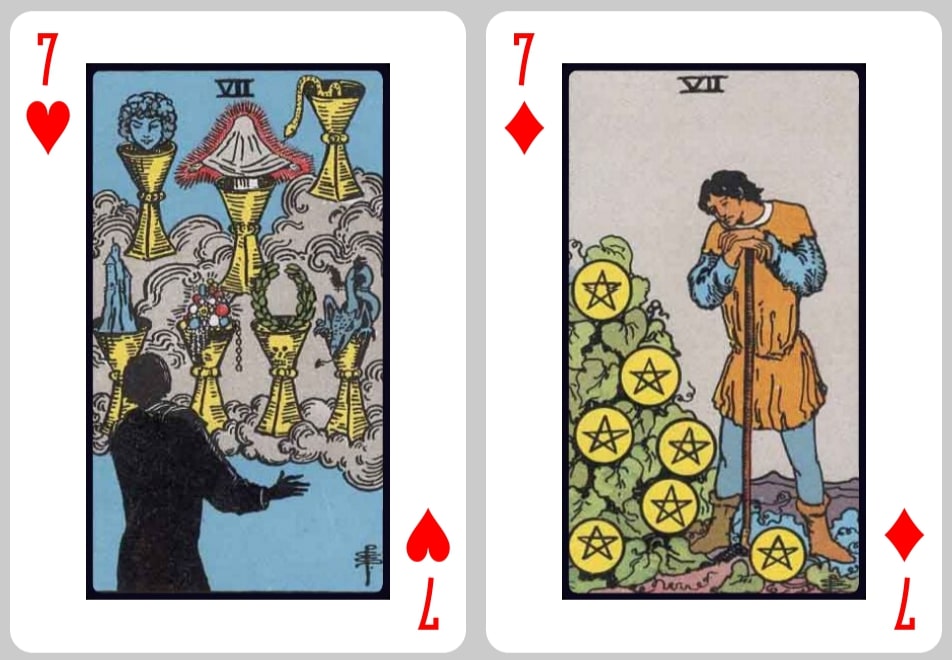
Playing Cards Tarot refers to the practice of using a standard deck of playing cards (like a poker deck) as a divination tool, much like tarot cards. While traditional tarot decks feature 78 cards with rich symbolic imagery—like the Fool, the Lovers, or the Tower—a standard deck has only 52 cards, divided into four suits: hearts, diamonds, clubs, and spades. Each suit corresponds to an element (e.g., hearts to water, spades to air), and the numbered cards (Ace through 10) represent stages or energies. The face cards—Jack, Queen, King—often symbolize people or personality traits.
The magic lies in the reinterpretation of these familiar symbols. A Queen of Hearts might represent a nurturing figure or emotional intuition, while the Three of Clubs could signal growth through collaboration. The simplicity of a poker deck makes it accessible, yet its structure mirrors the depth of tarot, allowing for layered interpretations. This blend of the ordinary and the profound is why many find playing cards tarot so intriguing—it turns a deck you might use for games into a mirror for your subconscious.
The History of Cards: From Gaming to Guidance
The journey of playing cards from gambling tools to divination aids is a fascinating one. Playing cards originated in China during the 9th century, spreading to Europe by the 14th century, where they became popular for games like poker and bridge. However, their use for spiritual purposes emerged alongside their gaming roles. In the 18th century, occultists like the French mystic Antoine Court de Gébelin linked playing cards to ancient Egyptian wisdom, claiming they held secret knowledge. While this claim is debated, it sparked a trend of using cards for fortune-telling.
By the 19th century, playing cards were firmly embedded in cartomancy—the practice of divination using cards. Practitioners developed systems to assign meanings to each card, often drawing parallels to tarot. For example, the Ace of Spades, a card often associated with death in Western culture, might signify transformation or endings in a reading. This historical layer adds richness to modern interpretations, showing how cultural beliefs shape our relationship with these seemingly simple objects.
Why a Poker Deck Works for Tarot-Style Readings
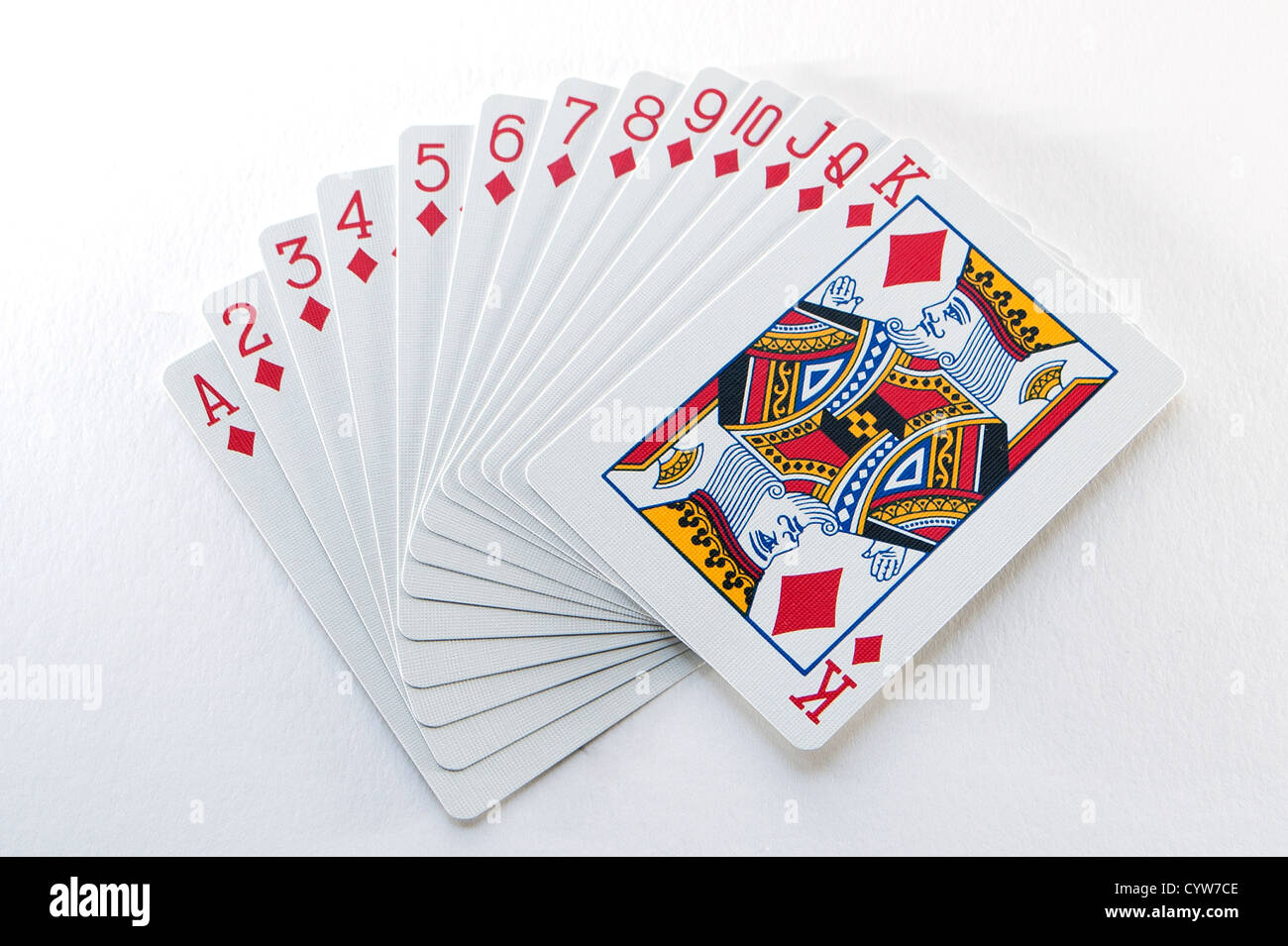
You might wonder: how can a deck designed for poker possibly rival the depth of a tarot deck? The answer lies in the universality of symbols. A standard deck’s four suits—hearts, diamonds, clubs, spades—map neatly onto the four elements (water, fire, earth, air) and the four suits of the Minor Arcana in tarot (Cups, Wands, Pentacles, Swords). The numbered cards (2–10) represent stages of a journey, while face cards can symbolize people, roles, or energies. Even the lack of Major Arcana cards (like The Magician or The High Priestess) doesn’t limit the deck’s potential—it simply shifts the focus to everyday experiences and immediate challenges.
Another advantage is accessibility. A poker deck is inexpensive, widely available, and lacks the intimidating imagery of some tarot decks. This makes it ideal for beginners or those who prefer a more grounded approach to divination. You can start with simple spreads, like a three-card layout for past-present-future, and gradually explore more complex interpretations as you grow comfortable. The familiarity of the cards also makes it easier to trust your intuition—after all, you’ve likely held a deck of playing cards in your hands countless times.
How to Interpret Playing Cards Like Tarot: A Step-by-Step Guide
Interpreting a playing card deck as tarot requires a blend of structure and intuition. Start by assigning elemental correspondences to the suits: hearts (water, emotions), diamonds (fire, passion or material matters), clubs (earth, growth or work), and spades (air, intellect or challenges). Face cards can represent people in your life—Jacks as messengers or students, Queens as nurturers or leaders, and Kings as authority figures or mature energies. Numbered cards often reflect the energy of their position: Aces are beginnings, 2s balance or choices, 3s collaboration, and so on.
For example, drawing the 7 of Diamonds might suggest a period of creative tension or a need to balance passion with practicality. The Queen of Clubs could indicate a supportive figure in your career or a time to nurture your ambitions. To deepen your readings, consider the card’s position in a spread. In a past-present-future layout, the 5 of Spades in the past position might reveal a past conflict that shaped your current mindset, while the 5 of Hearts in the future could hint at reconciliation or emotional healing.
Don’t overlook reversals—cards drawn upside down can indicate blocked energy, internal struggles, or the need to reverse a situation. For instance, the reversed 10 of Hearts might suggest emotional burnout, while the upright King of Spades could signal a need for clear communication. Keep a journal to track recurring cards and their meanings in your life. Over time, you’ll develop a personal lexicon that resonates with your experiences.
The Psychology Behind the Fascination: Why Cards Feel So Personal
There’s a psychological reason why playing cards tarot feels so compelling. Cards act as a Rorschach test, a psychological tool where ambiguous images reveal subconscious thoughts. When you draw a card, your brain searches for patterns and meanings that align with your current life, making the interpretation feel eerily accurate. This phenomenon, known as the Barnum effect, explains why vague statements (like those in horoscopes) often feel deeply personal. Cards amplify this effect by providing concrete symbols to project your emotions onto.
Additionally, the act of shuffling and drawing cards creates a meditative pause in our busy lives. It forces us to slow down, focus, and engage with our intuition. The randomness of the draw also removes the pressure of decision-making, allowing us to explore possibilities without judgment. This is why playing cards tarot is often used for self-reflection or problem-solving—it’s a way to access insights that might be buried beneath daily distractions.

Practical Tips for Using Your Poker Deck for Readings
Ready to try playing cards tarot yourself? Start with a simple three-card spread: past, present, and future. Shuffle the deck while focusing on a question or situation, then draw three cards. Place them left to right, interpreting each in the context of its position. For example, if you draw the 8 of Clubs (earth), the 9 of Diamonds (fire), and the Queen of Spades (air), you might see a story of hard work (8 of Clubs) leading to a burst of creativity (9 of Diamonds), guided by a wise mentor (Queen of Spades).
For relationship readings, try a two-card pull: one for you and one for the other person. A King of Hearts and a 6 of Diamonds could suggest a dynamic where one person is emotionally supportive (King of Hearts) while the other is passionate but impulsive (6 of Diamonds). For career guidance, use a single-card pull to reflect on your current path. The Ace of Spades might indicate a new beginning or a need to cut ties with something stagnant.
Remember, there are no rigid rules. If a card’s traditional meaning doesn’t resonate, trust your gut. The more you practice, the more the cards will speak to you in a language that feels uniquely yours. Keep your readings lighthearted at first—perhaps using them to explore daily decisions or creative projects before diving into deeper self-inquiry.
Conclusion: The Cards Are a Mirror, Not a Map
Playing Cards Tarot is more than a party trick or a mystical shortcut—it’s a tool for self-discovery that bridges the gap between the everyday and the extraordinary. By repurposing a poker deck, you’re not just predicting the future; you’re engaging with a system that reflects the cycles of life, the ebb and flow of emotions, and the choices that shape your path. The fascination with cards, whether for gaming or guidance, stems from their ability to distill complex human experiences into simple, symbolic images. They remind us that wisdom isn’t always found in grand revelations but in the quiet moments of reflection when we pause to ask, “What does this mean for me?”
So the next time you hold a deck of playing cards, consider shuffling them with intention. Let the suits guide you through the elements of your life, the numbers reveal stages of growth, and the face cards offer glimpses into the roles you play. Whether you’re seeking clarity, creativity, or just a fresh perspective, your poker deck is ready to work for you—no mysticism required, just an open mind and a willingness to listen.
FAQ
What is Playing Cards Tarot?
Playing Cards Tarot refers to using a standard deck of playing cards as a divination tool, similar to tarot cards, wherein each card holds symbolic meaning.
How do you interpret a poker deck in tarot readings?
Interpretation involves assigning elemental correspondences to the suits, understanding the meanings of numbered and face cards, and considering their positions in a spread.
Leave a Reply