Short Answer
The Celtic Cross is more than just a striking symbol—it’s a tapestry of history, spirituality, and metaphor woven into a single, powerful image. In this guide, you’ll uncover the deep meanings behind each position of the Celtic Cross, explore its positive and negative interpretations, and discover why this ancient symbol continues to captivate hearts and minds around the world. Whether you’re drawn to its aesthetic beauty or its profound symbolism, the Celtic Cross offers layers of insight waiting to be explored.
The Celtic Cross: A Symbol of Unity and Mystery
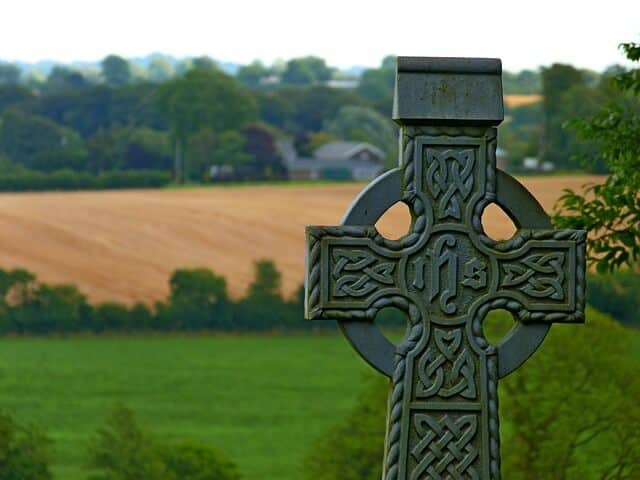
The Celtic Cross is instantly recognizable by its distinctive design—a circle intersecting a cross, often adorned with intricate knotwork. This symbol dates back to early medieval times, blending Christian and Celtic traditions into a single emblem. The circle, known as the “ring,” is said to represent the sun, eternity, or the infinite nature of God’s love. Meanwhile, the cross itself embodies the four cardinal directions, the elements, and the intersection of the spiritual and physical worlds.
What makes the Celtic Cross so intriguing is its duality. It bridges the gap between the sacred and the secular, the past and the present, and the seen and unseen. This balance is reflected in its structure, where every line and curve holds significance, inviting deeper reflection on life’s interconnectedness.
Decoding the Positions: A Journey Through Meaning
The Celtic Cross is often interpreted through a spread of positions, each representing different aspects of life, spirituality, and personal growth. Below, we break down the most common interpretations of these positions, blending historical context with modern metaphorical insights.
The Center (The Self)
The heart of the Celtic Cross is the individual—the core of existence. This position represents your true self, your essence, and the divine spark within you. It’s the starting point of any journey, whether spiritual, emotional, or physical. In metaphorical terms, the center is like the eye of a storm, a place of calm and clarity amidst life’s chaos. It reminds you that no matter how turbulent the world becomes, your inner self remains the anchor.
The Upper Position (The Higher Self or Divine Guidance)
Above the center lies the upper position, often associated with the divine, higher consciousness, or spiritual aspirations. This is the realm of gods, angels, and the universe’s guiding forces. It symbolizes enlightenment, wisdom, and the pursuit of a higher purpose. Metaphorically, it’s the North Star—guiding you when you feel lost, reminding you that there’s always a greater plan at play.
The Lower Position (The Subconscious or Earthly Realms)
Below the center is the lower position, representing the subconscious mind, instincts, and the physical world. It’s where fears, desires, and hidden truths reside. This position can also symbolize the foundation of your life—your roots, family, and the tangible aspects of existence. Think of it as the roots of a tree, grounding you while also nourishing your growth.
The Right Position (The Conscious Mind or Future)
To the right of the center is the future, the conscious mind, and the path ahead. It represents decisions, actions, and the choices you make in the present moment. This position is often linked to clarity, logic, and the external world. Metaphorically, it’s the road ahead—bright with possibilities, yet requiring courage to traverse.
The Left Position (The Past or Subconscious Influences)
To the left of the center lies the past, the subconscious influences, and the lessons learned. It’s where memories, regrets, and ancestral ties reside. This position can also represent obstacles or patterns you’re unconsciously repeating. Think of it as the shadow behind you—a reminder that the past shapes the present, for better or worse.
The Cross’s Arms (The Four Elements or Directions)
The arms of the Celtic Cross extend outward, symbolizing the four cardinal directions (North, South, East, West) and the four elements (Earth, Air, Fire, Water). Each direction carries its own energy:
- North: Stability, endurance, and the wisdom of the elders.
- South: Passion, transformation, and the spark of creativity.
- East: New beginnings, intellect, and the rising sun.
- West: Emotions, intuition, and the setting sun’s reflection.
Together, these arms represent balance—harmony between opposing forces and the cyclical nature of life.
Positive and Negative Interpretations: The Duality of the Celtic Cross
The Celtic Cross, like life itself, is a study in duality. Its meanings can shift depending on context, intention, and perspective. Below, we explore both the uplifting and challenging aspects of this symbol.
Positive Meanings
The Celtic Cross is often seen as a beacon of hope, protection, and spiritual connection. Its positive interpretations include:
- Protection: The circle is believed to ward off negative energies, acting as a shield against harm.
- Unity: The cross and circle together symbolize the union of heaven and earth, the divine and the mortal.
- Eternal Life: The ring represents infinity, suggesting that life and spirit are eternal.
- Guidance: The cross’s arms point to the four directions, offering direction and purpose.
- Strength: The intricate knotwork within the cross symbolizes the unbreakable bonds of family, community, and faith.
Negative Meanings
While the Celtic Cross is predominantly viewed through a positive lens, its symbolism can also carry darker or more complex interpretations:
- Conflict: The intersection of the cross and circle can represent the struggle between opposing forces, such as good and evil or life and death.
- Burden: The weight of the cross may symbolize the trials and tribulations one must endure in life.
- Isolation: The solitude of the cross’s arms can reflect feelings of being set apart or misunderstood.
- Mystery: The intricate designs may also signify the unknown, the unexplainable, and the mysteries of the universe that remain beyond human understanding.
The Unique Appeal of the Celtic Cross
What sets the Celtic Cross apart from other symbols is its ability to adapt and resonate across cultures and centuries. Its appeal lies in its versatility—it can be a religious emblem, a piece of jewelry, a tattoo design, or even a decorative motif. Yet, regardless of its form, the Celtic Cross continues to evoke a sense of mystery and reverence.
Artistically, its knotwork and symmetry are mesmerizing, inviting viewers to lose themselves in the patterns. Spiritually, it offers a sense of connection—to the divine, to ancestors, and to the natural world. Historically, it bridges the gap between pagan traditions and Christianity, making it a symbol of cultural fusion.
Metaphorically, the Celtic Cross can be seen as a mirror. It reflects the dualities within us—the light and dark, the known and unknown, the past and future. It challenges us to embrace these contradictions and find balance in our lives.
Conclusion
The Celtic Cross is far more than a relic of the past; it’s a living symbol that continues to inspire and intrigue. Through its positions, it offers a roadmap to self-discovery, guiding us through the complexities of life with wisdom and grace. Whether viewed as a spiritual emblem, a work of art, or a metaphor for existence, the Celtic Cross remains a testament to the enduring power of symbolism.
As you reflect on its meanings, remember that the Celtic Cross is not just a static image—it’s a dynamic force, evolving with each person who interacts with it. It invites you to explore, to question, and to find your own connection to its timeless wisdom. In a world that often feels fragmented, the Celtic Cross stands as a reminder of unity, strength, and the eternal dance between light and shadow.
FAQ
What is the Celtic Cross tarot spread?
The Celtic Cross is a tarot card spread that provides insights into various aspects of life, spirituality, and personal growth through its distinct positions.
What do the positions in the Celtic Cross represent?
Each position in the Celtic Cross represents different elements such as the self, higher self, subconscious, past, future, and the four elements.
What are some positive interpretations of the Celtic Cross?
Positive interpretations include protection, unity, eternal life, guidance, and strength.
What are some negative meanings associated with the Celtic Cross?
Negative meanings can include conflict, burden, isolation, and mystery.
Leave a Reply