Short Answer
In this comprehensive guide, you’ll explore the fascinating interplay between borrowed wisdom and real intuition in the world of tarot. You’ll learn how tarot serves as a mirror to your subconscious, a tool for self-reflection, and a bridge to deeper understanding. By the end, you’ll be equipped to discern when tarot offers borrowed insights versus when it reveals your own intuitive truths—empowering you to harness its full potential for personal growth and clarity.
Understanding Tarot as a Tool for Perspective Shift
Tarot is more than a deck of cards; it’s a dynamic system designed to provoke thought and challenge perceptions. Each card carries archetypal imagery and symbolism that resonates with universal human experiences. When you engage with tarot, you’re not just receiving answers—you’re invited to interpret them through your own lens. This process inherently shifts your perspective by encouraging you to see situations from angles you might otherwise overlook.
The key lies in the act of interpretation. A card like The High Priestess, for example, often represents intuition and hidden knowledge. When drawn, it doesn’t just tell you to trust your gut—it prompts you to ask *why* you’re being nudged to do so. This reflective practice is where the real magic happens: tarot becomes a catalyst for self-awareness rather than a source of rigid directives.
The Role of Borrowed Wisdom in Tarot Readings
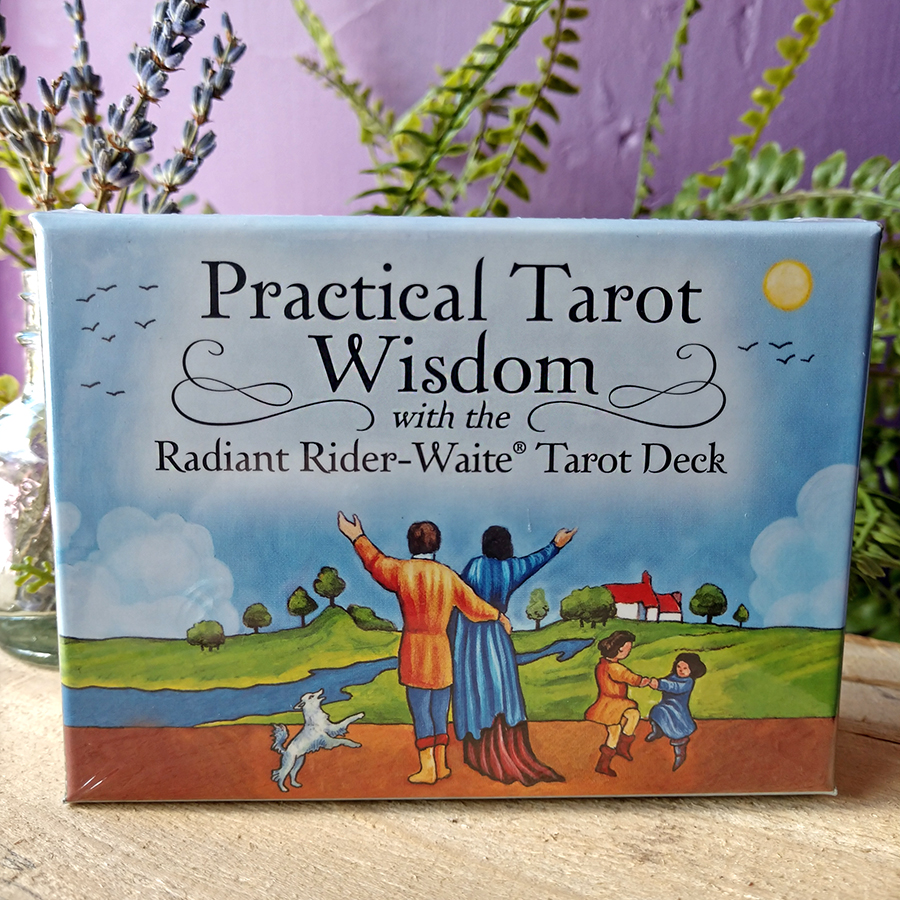
Borrowed wisdom refers to insights derived from external sources—whether from tarot guidebooks, online interpretations, or the collective knowledge of the tarot community. While these resources provide valuable context, relying solely on them can limit your personal connection to the cards. For instance, if you consult a guidebook that describes The Tower as a sign of sudden upheaval, you might interpret the card through that lens without considering what The Tower means to *you* in your current situation.
Borrowed wisdom is useful for beginners or when exploring new card meanings, but it’s essential to balance it with your own intuitive responses. Ask yourself: Does this interpretation resonate with my feelings about the card? Does it align with the emotions or thoughts that arose when I pulled it? Over time, you’ll develop a more personalized relationship with the deck, reducing dependency on external sources.
Recognizing Real Intuition in Your Tarot Practice
Real intuition in tarot manifests as a gut feeling, a sudden insight, or an emotional reaction that feels uniquely yours. It’s the voice that whispers, “This card *means* something specific to me,” even if it contradicts traditional interpretations. For example, if you pull Three of Cups and immediately think of a recent celebration with friends, your intuition is guiding you to connect the card’s symbolism to your lived experience—not just its textbook meaning of friendship or community.
To cultivate real intuition, practice mindfulness before and during your readings. Take a few deep breaths to center yourself, and observe any immediate thoughts or sensations when you shuffle the cards or draw them. Journaling your interpretations immediately after a reading can also help you track patterns in your intuitive responses over time. The more you trust these personal connections, the more your intuition will sharpen, making your tarot practice a deeply authentic experience.
Balancing Borrowed Wisdom and Intuition for Deeper Insights
The most powerful tarot readings occur when borrowed wisdom and real intuition coexist harmoniously. Start by grounding yourself in the traditional meanings of the cards to build a foundation of knowledge. Then, as you become more familiar with the deck, allow your intuition to guide the nuances of each reading. For instance, if you’re working with The Chariot, you might first recall its association with determination and willpower. But if your intuition suggests it’s also about balancing opposing forces in your life, honor that interpretation—it’s likely reflecting your subconscious awareness of a current challenge.
Another way to balance both approaches is to use borrowed wisdom as a starting point and then expand upon it with your own reflections. Ask questions like: How does this card’s traditional meaning show up in my life right now? What personal experiences or emotions does it evoke? This method ensures you’re not dismissing valuable external knowledge while also prioritizing your unique perspective.
Practical Exercises to Strengthen Your Intuitive Tarot Skills
Developing your intuitive tarot abilities requires consistent practice. Try these exercises to deepen your connection with the cards:
- Blind Draws: Shuffle your deck and draw a card without looking. Before turning it over, note your immediate thoughts or feelings about what it might be. Then, reveal the card and compare your intuition to its traditional meaning. Over time, you’ll notice themes in your intuitive hits.
- Card Pairings: Pull two cards and interpret them together based on your gut reactions, rather than relying on guidebook definitions. Focus on the story or message that emerges from their interaction in your mind.
- Daily One-Card Pulls: Each morning, draw a single card and reflect on how its imagery or symbolism relates to your day ahead. Trust your first impressions, even if they seem unrelated to the card’s standard interpretation.
- Emotional Resonance Check: After a reading, ask yourself which cards elicited the strongest emotional response. Revisit those cards later to explore why they resonated so deeply—this is often where your intuition speaks loudest.

Common Pitfalls and How to Avoid Them
Even experienced tarot readers can fall into traps that obscure their intuition. One common mistake is over-relying on guidebooks to the point of ignoring personal insights. Another is dismissing cards that don’t align with your desired outcome, which can lead to skewed interpretations. To avoid these pitfalls:
- Avoid Confirmation Bias: Don’t cherry-pick interpretations that support your preconceived notions. Instead, challenge yourself to explore all aspects of a card’s meaning, even the uncomfortable ones.
- Stay Open to Ambiguity: Tarot is not about black-and-white answers. If a reading feels vague or contradictory, lean into the mystery rather than forcing a definitive interpretation. Ambiguity often holds the most profound insights.
- Practice Non-Attachment: It’s easy to become attached to a specific outcome in a reading. Remind yourself that tarot is a tool for exploration, not a fortune-telling device. Release expectations and trust the process.
Conclusion
Tarot is a powerful ally in your journey toward self-discovery, but its true potential lies in the balance between borrowed wisdom and real intuition. By grounding yourself in traditional meanings while remaining open to your personal insights, you transform tarot from a static reference tool into a dynamic, intuitive practice. Remember that every card you pull is an invitation to explore—not just the deck’s symbolism, but your own inner wisdom.
As you continue your tarot journey, embrace the curiosity that the cards inspire. Let them challenge your perspectives, validate your feelings, and guide you toward deeper understanding. Whether you’re a seasoned reader or just beginning, the most transformative tarot experiences come from that delicate interplay between what the cards *say* and what they *mean to you*. Trust yourself, stay curious, and let the magic unfold.
FAQ
What is the difference between borrowed wisdom and real intuition in tarot?
Borrowed wisdom refers to insights from external sources, while real intuition is the personal insight and feelings that arise during a reading.
How can I strengthen my intuitive tarot skills?
Engage in practices like blind draws, card pairings, and journaling your interpretations to deepen your connection with the cards.
Leave a Reply