Short Answer
In this comprehensive guide, you will explore the profound concept of “reading means” and the intricate practice of 13-card readings. Whether you’re a seasoned enthusiast or a curious newcomer, this article will illuminate the symbolic language of cards, their historical roots, and the psychological allure that has captivated minds for centuries. By the end, you’ll gain insights into how these readings serve as mirrors to our subconscious, offering clarity, guidance, and a deeper connection to the unseen forces shaping our lives.
The Essence of “Reading Means”: Beyond Superficial Interpretation
At first glance, the phrase “reading means” might appear simple—a straightforward act of deciphering words or symbols. However, in the context of divination and self-reflection, it transcends mere translation. A “reading” is an active dialogue between the reader and the cards, where each symbol, color, and position weaves a narrative unique to the seeker. This practice is not about predicting a fixed future but about uncovering patterns, hidden emotions, and untapped potentials within the querent’s life.
The fascination with card readings often stems from their ability to articulate what words alone cannot. They provide a visual and tactile framework for exploring complex emotions, dilemmas, or aspirations. For instance, the appearance of the Three of Cups might indicate celebration and community, but its placement in a spread could reveal whether these connections are currently harmonious or strained. This duality—where symbols are both universal and deeply personal—is what makes readings so compelling.
Historical Foundations: From Tarot to Oracle Cards
The tradition of card readings dates back to 15th-century Europe, where playing cards were first used for divination. The Tarot deck, with its 78 cards divided into Major and Minor Arcana, evolved from these early decks and became a cornerstone of esoteric practices. The 13-card reading, often associated with a simplified spread, draws from this lineage but adapts the format to focus on key life areas such as love, career, and personal growth.
Unlike the rigid structure of a full Tarot spread, a 13-card reading offers flexibility. It might include a card for the querent’s past, present, and future, followed by 10 additional cards representing specific themes like challenges, opportunities, or subconscious influences. This adaptability allows the reading to resonate more closely with the individual’s current circumstances, making it a powerful tool for introspection.

Decoding the 13-Card Spread: Structure and Symbolism
A 13-card reading typically follows a structured format that balances specificity with open-ended interpretation. Below is a breakdown of a common layout and its significance:
- Card 1: The Querent’s Present State – This card reflects the current energies surrounding the seeker, highlighting dominant emotions or external influences.
- Card 2: Immediate Challenges – Reveals obstacles or internal conflicts that may be impeding progress.
- Card 3: Hidden Influences – Uncovers subconscious motivations or overlooked factors that could shift the narrative.
- Card 4: Past Influences – Provides context by shedding light on events or decisions that have shaped the current situation.
- Card 5: Near Future – Offers a glimpse into what may unfold in the coming weeks or months, based on current trajectories.
- Cards 6-13: Thematic Exploration – These cards delve into specific areas such as relationships, career, spirituality, or personal development, with each card acting as a lens to examine different facets of the query.
The beauty of this spread lies in its ability to highlight both the visible and invisible threads of a person’s life. For example, the Five of Swords in the “challenges” position might suggest conflict or competition, but its appearance in the “future” slot could indicate a resolution or a need to let go of past grievances. This layered approach encourages the querent to view their circumstances from multiple angles, fostering a holistic understanding.
The Psychological Appeal: Why Card Readings Resonate Deeply
One of the most intriguing aspects of card readings is their psychological resonance. Studies in cognitive psychology suggest that humans are wired to seek patterns and meaning, a trait known as apophenia. When faced with ambiguity, our brains naturally fill in the gaps with narratives, and card readings provide a structured way to do this. The cards act as a Rorschach test, where the seeker projects their thoughts, fears, and hopes onto the symbols, making the reading feel deeply personal and revelatory.
Moreover, the ritualistic nature of a reading—shuffling the deck, focusing on a question, and interpreting the cards—creates a meditative space. This process can induce a state of flow, where the mind is fully engaged, and distractions fade away. For many, this ritual becomes a form of self-care, offering a moment of pause in an otherwise chaotic world. The cards, in this context, serve as a bridge between the conscious and subconscious, allowing hidden truths to surface in a non-threatening way.

Common Misconceptions and How to Approach Readings with Clarity
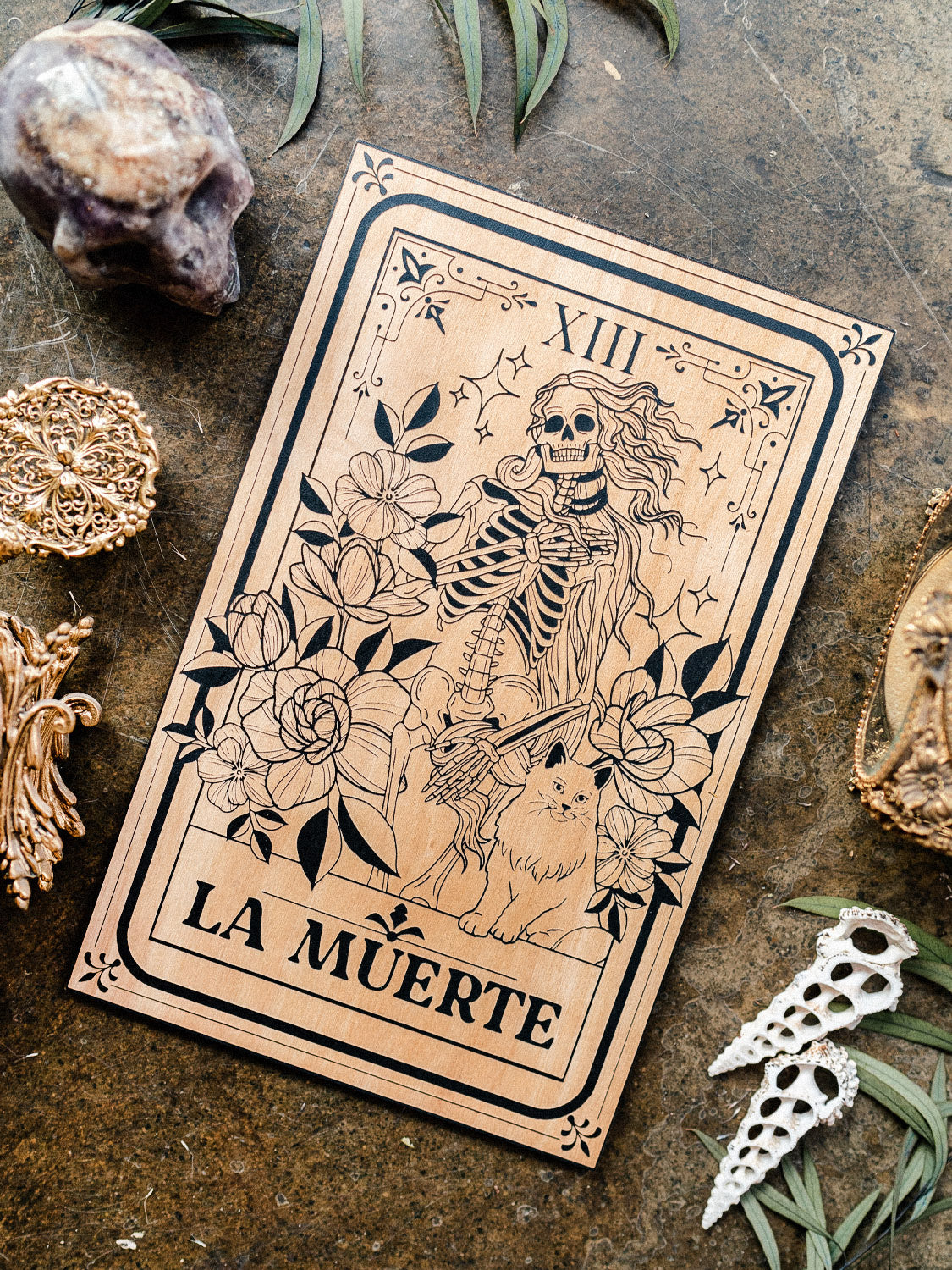
Despite their popularity, card readings are often misunderstood. A frequent misconception is that they offer definitive answers or predict the future with certainty. In reality, the cards are a tool for reflection, not a crystal ball. Their power lies in their ambiguity, which invites the querent to engage in a dialogue with their own intuition. For instance, the Death card in Tarot rarely signifies literal demise; instead, it often represents transformation or the end of a cycle. Recognizing this nuance is key to interpreting readings accurately.
Another common pitfall is relying solely on guidebooks or “meanings” without considering the card’s position in the spread or the querent’s personal associations. For example, the Lovers card might traditionally symbolize romance, but in a career-focused reading, it could indicate a choice between two paths or a need for harmony in professional relationships. To avoid superficial interpretations, it’s essential to ask open-ended questions and remain open to the cards’ messages, even if they challenge preconceived notions.
Practical Tips for Conducting a 13-Card Reading
If you’re new to card readings, here are some practical steps to ensure a meaningful experience:
- Set an Intention – Before shuffling the deck, take a moment to focus on a specific question or area of your life you’d like to explore. This intention will guide the energy of the reading.
- Shuffle with Purpose – Some readers prefer to shuffle until they feel a “pull” toward certain cards, while others use a systematic approach. Trust your instincts and choose a method that feels authentic to you.
- Lay Out the Spread – Arrange the cards according to your chosen 13-card layout, paying attention to their order and orientation (upright or reversed).
- Interpret with Context – Consider each card’s traditional meaning, its position in the spread, and your personal reactions to it. Ask yourself: What emotions does this card evoke? Does it align with my current situation?
- Journal Your Insights – Writing down your interpretations and any synchronicities (e.g., a card’s imagery resonating with a recent event) can deepen your understanding over time.
- Close with Gratitude – Acknowledge the cards and the insights they’ve provided. Some readers end the session by thanking the deck or setting an intention to reflect on the reading later.
Remember, the goal of a reading is not to receive a verdict but to gain a new perspective. The cards are a mirror, and their true power lies in how you choose to use the insights they offer.
Conclusion: The Timeless Allure of Card Readings
Card readings, particularly the 13-card format, offer a unique blend of structure and intuition, history and modernity. They provide a language for the inexpressible, a framework for self-discovery, and a ritual for grounding in an unpredictable world. Whether you’re drawn to them for guidance, curiosity, or spiritual exploration, their enduring appeal speaks to a fundamental human desire: the search for meaning in the midst of life’s uncertainties.
As you delve deeper into the world of card readings, allow yourself to embrace the mystery. The cards are not a substitute for critical thinking or personal agency, but they can serve as a catalyst for introspection and growth. In a society that often prioritizes logic and speed, the slow, deliberate process of a reading reminds us to pause, reflect, and listen—to the cards, to our intuition, and to the quiet voices within us that are always seeking to be heard.
FAQ
What is the significance of the 13-card reading?
The 13-card reading offers flexibility and depth, allowing for a nuanced exploration of key life areas such as love, career, and personal growth.
How should I approach a card reading?
Set an intention, shuffle with purpose, and interpret the cards within the context of your question and personal feelings.
What common misconceptions exist about card readings?
Many believe card readings predict a fixed future, but they actually provide insights and reflections on one’s current life circumstances.
Leave a Reply