Short Answer
In this guide, you’ll explore the cultural and symbolic significance of Reina (the Spanish word for “Queen”) in playing cards, its connection to the mythological figure Rhiannon, and why these figures continue to captivate audiences. You’ll uncover the deeper meanings behind their representations, their linguistic ties, and their enduring presence in art, music, and popular culture. By the end, you’ll understand how these symbols transcend mere playing cards to embody themes of power, mystery, and transformation.
The Symbolism of Reina in Spanish Playing Cards
In Spanish playing cards, the Reina (Queen) holds a unique place as a symbol of authority, grace, and strategic influence. Unlike the straightforward numerical hierarchy of numbered cards, the Queen represents a figure of nuanced power—neither the highest (King) nor the lowest (Jack), but a balance between leadership and adaptability. This duality is reflected in the card’s design, where the Queen often wears elaborate attire and holds symbolic objects like flowers or scepters, emphasizing her role as a unifying yet commanding presence.
The Reina’s imagery varies across decks, but common motifs include:
- Cultural Identity: In Latin-themed decks, the Queen may be depicted with traditional attire or motifs, reinforcing cultural pride.
- Mythological Echoes: Some designs draw from historical or mythological queens, linking the card to archetypes of wisdom and sovereignty.
- Artistic Expression: Modern decks often reimagine the Queen with contemporary or fantastical elements, reflecting evolving societal values.
This versatility ensures the Reina remains a dynamic symbol, adaptable to both traditional and avant-garde contexts.
Rhiannon: The Welsh Goddess Behind the Queen
While the Reina is a Spanish term, her mythological counterpart in Celtic tradition is Rhiannon, a goddess whose story resonates with themes of sovereignty, transformation, and resilience. Rhiannon is often associated with horses, birds, and the Otherworld, embodying a connection to nature and the supernatural. Her myth, as recorded in the Mabinogion, tells of a woman wrongly accused of infanticide, only to be vindicated and restored to her rightful place as queen. This narrative mirrors the Queen card’s journey—from perceived weakness to reclaimed power.
Key parallels between Rhiannon and the Reina include:
- Sovereignty: Both figures represent the divine right of queens to rule, whether in myth or card games.
- Resilience: Rhiannon’s trials and the Queen’s strategic role highlight the theme of overcoming adversity.
- Symbolic Animals: Rhiannon’s association with horses aligns with the Queen’s often regal or equestrian imagery in playing cards.
This connection suggests that the Reina, whether in a deck of cards or a mythological tale, serves as a bridge between the mundane and the extraordinary—a reminder that power is not just about dominance but also about wisdom and renewal.
Why the Reina and Rhiannon Fascinate Us: A Psychological and Cultural Perspective
The enduring fascination with figures like the Reina and Rhiannon can be attributed to several psychological and cultural factors. At a fundamental level, these symbols tap into universal archetypes—patterns of thought and behavior that recur across cultures and eras. The Queen archetype, in particular, embodies the Great Mother or Queen of Heaven, representing nurturing, protection, and authority. This dual role—both nurturing and commanding—resonates deeply with human experiences of leadership and care.
Additionally, the Reina and Rhiannon challenge traditional gender roles. In many cultures, queens are often depicted as either submissive or tyrannical, but these figures subvert expectations. Rhiannon’s wrongful accusation and eventual triumph highlight the injustices women face and their capacity to reclaim agency. Similarly, the Reina in playing cards is not just a passive figure; she is a player in the game, making strategic decisions that shape outcomes. This complexity makes her more relatable and inspiring.
Language also plays a role in their allure. The word Reina itself is melodic and evocative, carrying connotations of elegance and strength. In Spanish, it’s a term that can refer to both a queen and a woman of high status, blurring the line between literal and symbolic power. This linguistic richness adds layers to her representation, making her a figure that transcends borders.
The Reina in Modern Media and Art
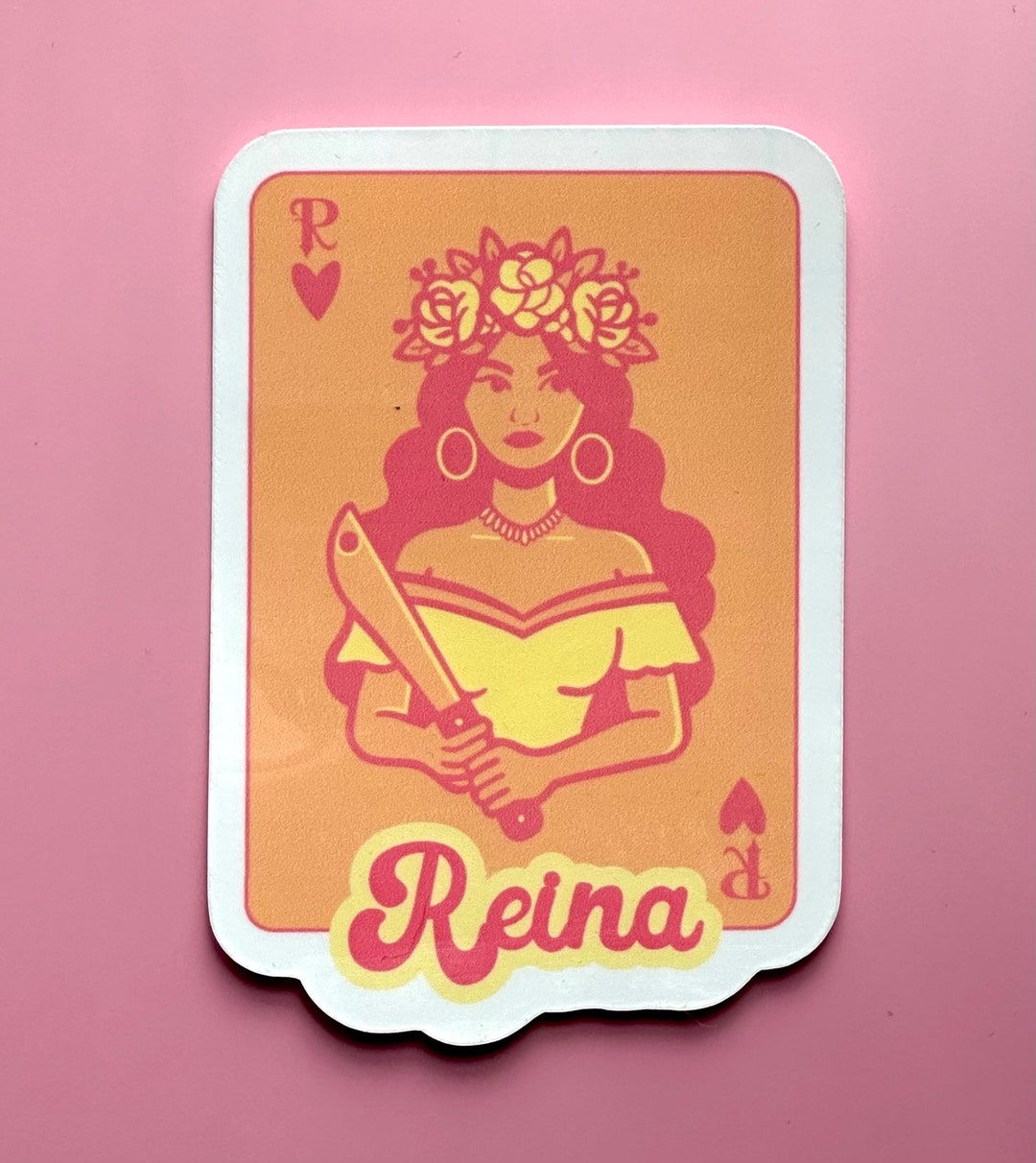
Today, the Reina’s image is reimagined in countless ways, from street art to digital media. Contemporary artists and designers often use the Queen card as a canvas to explore themes of identity, feminism, and cultural heritage. For example, decks like the Latina Machete Playing Card (featured in the data) recontextualize the Reina as a symbol of strength and resistance, merging traditional iconography with modern activism. Such designs speak to a growing demand for representation and the reclaiming of symbols that have historically been dominated by male figures.
In music and literature, the Reina appears as a metaphor for empowerment. Songs and poems often invoke the Queen as a figure who defies expectations, much like Rhiannon’s myth. This cultural recycling ensures that the Reina remains relevant, evolving from a static playing card to a dynamic emblem of change.

Language and the Reina: A Bridge Between Cultures
The word Reina is not just a term for a queen; it’s a linguistic and cultural bridge. In Spanish-speaking cultures, the Reina is celebrated in festivals, literature, and everyday language. Phrases like la reina del hogar (the queen of the home) or reina de la fiesta (queen of the party) reflect her pervasive presence. This linguistic ubiquity ensures that the Reina is more than a card—she’s a cultural touchstone.
Interestingly, the Reina’s linguistic ties extend beyond Spanish. In English, the word queen shares etymological roots with the Old Norse kona (woman) and the Gothic qēns, suggesting an ancient connection to femininity and power. This shared linguistic heritage underscores the Reina’s role as a universal symbol, transcending language barriers.
Conclusion
The Reina and Rhiannon are more than just figures in a deck of cards or ancient myths—they are archetypes that speak to the human experience. The Reina, with her strategic prowess and cultural adaptability, and Rhiannon, with her resilience and connection to the divine, embody themes of power, transformation, and identity. Their enduring fascination lies in their ability to evolve while retaining their core essence, making them relevant across generations and cultures.
Whether you see the Reina as a symbol of personal strength, a cultural icon, or a mythological heroine, her story is one of reclaiming power and redefining what it means to lead. In a world where symbols are constantly reinterpreted, the Reina and Rhiannon remind us that true authority comes not just from a crown or a title, but from wisdom, adaptability, and the courage to challenge the status quo.
FAQ
What is the significance of Reina in Spanish playing cards?
The Reina symbolizes authority, grace, and strategic influence, representing a balance between leadership and adaptability.
How does Rhiannon relate to the Reina card?
Rhiannon, a Welsh goddess, shares themes of sovereignty and resilience with the Reina, emphasizing the journey of reclaiming power.
What cultural representations does Reina embody?
Reina embodies themes of power, mystery, and transformation, often depicted in various artistic forms and modern media.
Leave a Reply