Short Answer
In this guide, you’ll discover the transformative power of reversed and upright tarot cards, how they shift perspectives, and why they spark curiosity. Whether you’re a beginner or an experienced reader, understanding these two fundamental aspects of tarot can deepen your insight and enhance your readings. You’ll learn what reversed and upright cards mean, how to interpret them, and where to find free printable resources to support your practice. By the end, you’ll see how these cards serve as mirrors to your subconscious, offering clarity and new angles on life’s challenges.
What Are Reversed and Upright Tarot Cards?
Tarot cards are typically read in two primary orientations: upright and reversed. An upright card appears in its traditional position, while a reversed card is upside down. The orientation doesn’t change the card’s core symbolism but alters its energy and message. Upright cards usually represent straightforward, positive, or direct interpretations of their meanings. For example, the Fool upright signifies new beginnings, spontaneity, and adventure, while the Magician upright suggests manifestation, skill, and resourcefulness.
Reversed cards, on the other hand, introduce complexity. They often highlight internal struggles, blockages, or hidden influences that aren’t immediately apparent. The Fool reversed might indicate recklessness or a lack of direction, while the Magician reversed could suggest manipulation or wasted potential. Reversals invite you to look beneath the surface, encouraging a deeper exploration of your thoughts, emotions, and circumstances.
The Power of Perspective: How Reversals Shift Meaning
Reversed tarot cards act as a catalyst for introspection, forcing you to confront aspects of a situation you might otherwise overlook. They don’t necessarily negate the upright meaning but instead add nuance. For instance, the Three of Cups upright celebrates friendship and joy, but reversed, it may warn against gossip, overindulgence, or superficial connections. This shift in perspective is invaluable for personal growth, as it highlights areas needing attention or improvement.
Reversals also reflect the dynamic nature of life. They remind you that challenges and setbacks are part of the journey, not failures. The Tower reversed, for example, might suggest that a looming crisis has been avoided or that you’re slowly rebuilding after a breakdown. By embracing reversals, you cultivate resilience and adaptability, seeing obstacles as opportunities for transformation rather than dead ends.
Common Interpretations of Reversed vs. Upright Cards
While every card has unique meanings, some general themes emerge when comparing reversed and upright interpretations:
- Love and Relationships:
- Upright Two of Cups: Harmonious partnership, mutual love.
- Reversed Two of Cups: Imbalance, unrequited feelings, or a failed connection.
- Career and Finances:
- Upright Ace of Pentacles: New financial opportunities, growth.
- Reversed Ace of Pentacles: Missed chances, financial instability, or poor planning.
- Personal Growth:
- Upright Eight of Swords: Feeling trapped but seeing a way out.
- Reversed Eight of Swords: Breaking free from self-imposed limitations or mental barriers.
These examples illustrate how reversals can reframe a situation, urging you to ask critical questions. Is this a temporary setback or a recurring pattern? What can I learn from this challenge? The answers often lie in the subtle shifts between upright and reversed meanings.
How to Use Reversed and Upright Cards in Readings
Incorporating reversals into your tarot practice requires intention and openness. Here’s a step-by-step approach to using them effectively:
- Shuffle with Purpose: As you shuffle, focus on the question or area of life you’re exploring. Decide in advance whether you’ll read reversals—some readers always do, while others reserve them for specific spreads.
- Observe the Card’s Energy: Pay attention to your immediate reaction. Does the card feel heavy, light, or confusing? Your intuition often guides the interpretation.
- Compare Upright and Reversed Meanings: Use a guidebook or your own knowledge to contrast the two orientations. Ask yourself: How does the reversed meaning change the narrative?
- Consider the Surrounding Cards: Reversals in isolation can be misleading. Look at the cards around them for context. A reversed card surrounded by supportive cards may indicate a minor delay rather than a major obstacle.
- Journal Your Insights: Write down your interpretations and revisit them later. Patterns often emerge over time, revealing deeper truths about your journey.
Free Printable Resources for Tarot Practice
To deepen your understanding, free printable resources can be invaluable. Below are some tools to help you explore reversed and upright meanings:

Example of a worksheet designed to help with letter reversals, which can metaphorically apply to tarot card interpretations.
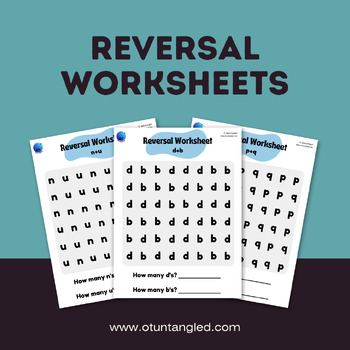
Printable worksheets can reinforce your ability to recognize and interpret reversed symbols, much like tarot cards.
For tarot-specific guides, websites like Biddy Tarot and Labyrinthos offer free cheat sheets and PDFs. These resources often include:
- Quick-reference guides for upright and reversed meanings.
- Spread templates to practice interpreting reversals.
- Journal prompts to explore card combinations.
Piquing Curiosity: Why Reversals Spark Deeper Questions
Reversed cards thrive on curiosity. They don’t provide easy answers but instead nudge you to dig deeper. For example, the Hermit reversed might prompt you to ask: Am I isolating myself out of fear, or am I genuinely seeking solitude? The Ten of Swords reversed could lead you to question: Have I truly moved on from past pain, or am I still carrying old wounds?
This curiosity is the heart of tarot’s magic. It transforms readings from passive fortune-telling into active self-discovery. Reversals encourage you to confront uncomfortable truths, celebrate hidden strengths, and embrace the unknown. They remind you that growth often lies in the spaces between clarity and confusion.
Conclusion
Reversed and upright tarot cards are more than just two sides of the same coin—they’re gateways to deeper understanding. Upright cards illuminate the path forward, while reversals challenge you to explore the shadows. Together, they create a dynamic dialogue that reflects the complexity of life. By learning to interpret both orientations, you unlock a richer, more nuanced way of seeing the world and yourself.
Whether you’re drawing a single card for daily guidance or diving into a multi-card spread, embrace the reversals as allies. They’re not obstacles to avoid but tools to sharpen your intuition and expand your perspective. Start with free printable resources, practice regularly, and let your curiosity guide you. The tarot’s true power lies not in predicting the future but in illuminating the present—and reversals are your flashlight in the dark.
Leave a Reply