Short Answer
Have you ever drawn a tarot card and felt a sudden chill when it landed upside down? You’re not alone. Many people experience a mix of curiosity and unease when encountering reversed tarot cards. This guide will help you understand what reversed tarot cards mean, why they fascinate us, and how to interpret them with confidence. By the end, you’ll see reversed cards not as omens of doom, but as valuable tools for deeper insight.
Why Do Tarot Cards Land Upside Down?
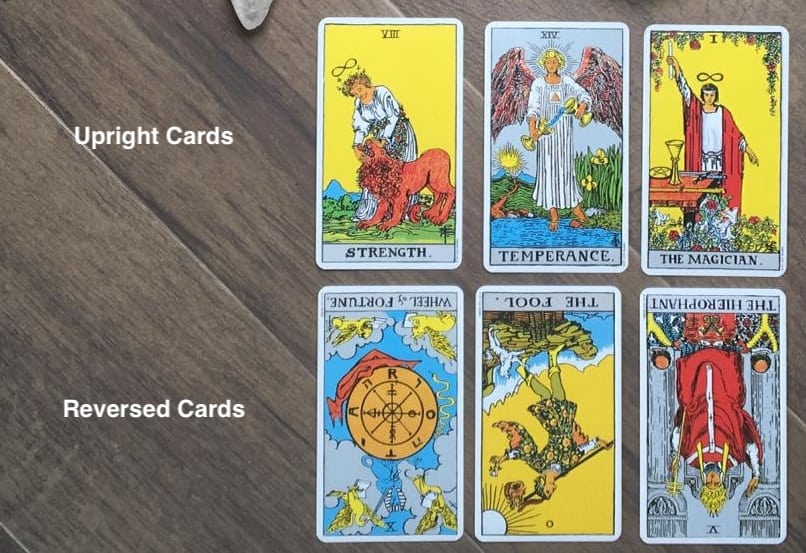
Tarot cards can land upside down purely by chance, but many readers believe there’s more to it. The position of a card—whether upright or reversed—can influence its meaning. Some interpret reversed cards as blocked energy, internal struggles, or subconscious influences. Others see them as a sign to look inward, questioning habits, fears, or unresolved emotions that may be affecting your path.
Interestingly, the fascination with reversed cards often stems from a deeper human need to find patterns and hidden meanings. When a card appears upside down, it feels like the universe is whispering something important. This curiosity is natural—it’s the same instinct that makes us pause at a mirror or wonder about coincidences. Reversed cards tap into that same sense of mystery, inviting us to explore beyond the surface.
The Psychology Behind Reversed Tarot Cards
From a psychological perspective, reversed tarot cards can represent aspects of the psyche that are suppressed or not fully acknowledged. For example, a reversed The Lovers might indicate disharmony in relationships, not necessarily a breakup, but perhaps a need for better communication or self-reflection. Similarly, a reversed Strength could suggest inner turmoil or a struggle with patience and compassion.
Reversed cards often highlight what we’re avoiding or resisting. If you pull a reversed The Tower, it might not mean a literal collapse, but rather a resistance to necessary change or an unwillingness to face harsh truths. This psychological layer adds depth to readings, making reversed cards powerful tools for personal growth.
Common Misconceptions About Reversed Tarot Cards
One of the biggest myths about reversed tarot cards is that they always signify negativity. While it’s true that some reversed cards can indicate challenges, they’re not inherently bad. For instance, a reversed Three of Cups might suggest loneliness or unfulfilled social connections, but it can also be a reminder to nurture your relationships more intentionally.
Another misconception is that reversed cards are less important than upright ones. In reality, reversed cards often provide critical insights that upright cards might overlook. They can reveal hidden obstacles, unacknowledged desires, or areas where you’re holding yourself back. Ignoring them means missing out on valuable guidance.
How to Interpret Reversed Tarot Cards
Interpreting reversed tarot cards requires a blend of intuition and structure. Start by considering the card’s traditional upright meaning, then ask yourself how its energy might be twisted or internalized. For example:
- Reversed The Magician: A lack of focus, wasted potential, or manipulation.
- Reversed The High Priestess: Ignoring intuition, secrets, or emotional confusion.
- Reversed The Ten of Swords: A painful ending that hasn’t been fully processed.
It’s also helpful to look at the card’s imagery. A reversed Death card might show a skeleton facing away, symbolizing resistance to transformation rather than literal demise. Pay attention to symbols, colors, and your emotional response to the card.

When to Use Reversed Cards in Readings
Reversed cards can be used in any reading, but they’re especially useful for specific questions. If you’re seeking clarity on a blockage—whether in love, career, or personal growth—reversed cards can pinpoint where you’re stuck. For example:
- Career Readings: A reversed Five of Pentacles might indicate financial stress or feeling unsupported at work.
- Love Readings: A reversed Knight of Cups could suggest emotional immaturity or unrequited feelings.
- Spiritual Readings: A reversed Judgement may point to self-doubt or avoiding a higher calling.
Including reversed cards in your readings adds nuance and prevents oversimplification. They remind us that life isn’t always black and white—sometimes, the most profound insights come from the shadows.
Practical Tips for Working with Reversed Tarot Cards
If you’re new to reversed cards, start with simple spreads, like a three-card layout (past, present, future), and note when cards appear upside down. Over time, you’ll develop a feel for their energy. Here are some tips:
- Journal Your Readings: Track reversed cards to identify patterns in your life.
- Ask Open-Ended Questions: Instead of “Will I get the job?” try “What challenges might I face in this process?”
- Trust Your Intuition: If a reversed card feels significant, explore why without overanalyzing.
- Use Reversed Cards for Shadow Work: They’re excellent tools for uncovering hidden fears or desires.
Conclusion
Reversed tarot cards are not something to fear—they’re an invitation to dive deeper. Whether they represent internal struggles, unacknowledged truths, or areas needing attention, they offer a richer, more layered understanding of your journey. By learning to interpret them with curiosity rather than dread, you transform a simple card flip into a powerful act of self-discovery.
The next time you pull a reversed card, pause and ask: What is this trying to tell me? The answer might just be the clarity you’ve been seeking.
FAQ
What do reversed tarot cards signify?
Reversed tarot cards can indicate blocked energy or internal struggles, offering deeper insights into a situation.
Are reversed cards always negative?
No, reversed cards can represent valuable insights and are not inherently negative.
How should I interpret a reversed tarot card?
Consider the card’s upright meaning and how its energy might be twisted or internalized.
Leave a Reply