Short Answer
Ever pulled a tarot card and felt like it was speaking in riddles? Or worse—like it was giving you the silent treatment? Reversed tarot cards can feel like a cosmic game of hide-and-seek, leaving you scratching your head and wondering, “What is this card *really* trying to tell me?” Whether you’re a seasoned reader or just dipping your toes into the mystical waters of tarot, understanding reversed meanings can turn confusion into clarity—and frustration into insight. In this guide, you’ll uncover the secrets behind reversed tarot cards, learn how to interpret their hidden messages, and discover why they might just be the most revealing cards in your deck. Save this now—your future self will thank you when the cards start making sense again.
Why Reversed Tarot Cards Matter: The Hidden Layers of Your Spread
At first glance, a reversed tarot card might seem like a glitch in the matrix—a card that’s been flipped upside down, as if the universe decided to troll you. But reversed cards aren’t mistakes; they’re amplified signals. While upright cards represent the straightforward energy of a situation, reversed cards dive into the subconscious, the unspoken, and the unresolved. They highlight blockages, internal conflicts, or areas where you might be resisting the natural flow of life.
Think of it like this: an upright “The Lovers” card might signify harmony and partnership, but reversed? It could point to disharmony, misaligned values, or a relationship that’s out of sync. The reversal doesn’t negate the card’s core meaning—it deepens it. It’s the difference between hearing a song on the radio and feeling it vibrate in your bones. Reversed cards force you to ask: What am I not seeing? What am I avoiding?
Ignoring reversed cards is like reading a book with half the pages missing. You might get the gist, but you’ll miss the plot twists, the character arcs, and the moments that change everything. By embracing reversed meanings, you unlock a fuller, more nuanced understanding of your tarot readings—and your life.
The Most Common Reversed Tarot Cards and Their Secrets
Some reversed cards are so frequent in readings that they’ve become tarot celebrities. Here’s a breakdown of the most common reversed cards and what they’re really trying to tell you:
The Fool Reversed: When Caution Becomes Paralysis
The Fool is all about spontaneity, new beginnings, and leaping into the unknown. Reversed? It’s the card of overthinking, fear of failure, or self-sabotage. You might be standing at the edge of a life-changing opportunity but talking yourself out of it. The reversed Fool whispers: What’s the worst that could happen if you just… went for it?
The Tower Reversed: When Change Feels Like a Slow Burn
The Tower upright is a lightning bolt of destruction—sudden upheaval, chaos, and revelation. Reversed? It’s the dreaded slow burn. Instead of a dramatic collapse, you’re experiencing a drawn-out period of instability. Maybe it’s a toxic relationship fizzling out over months, or a career that’s stagnating instead of ending abruptly. The reversed Tower warns: Don’t wait for the explosion—address the cracks now.
Five of Cups Reversed: When Grief Turns to Gratitude
The Five of Cups upright is all about focusing on loss and disappointment. Reversed? It’s the card of moving on and finding silver linings. You’ve been stuck in the “woe is me” phase, but now you’re starting to see what you still have. The reversed Five of Cups is your sign to put down the empty cups and pick up the ones still full.
How to Read Reversed Tarot Cards Like a Pro
Reading reversed cards isn’t about memorizing a cheat sheet—it’s about tuning into the energy behind the card. Here’s how to do it:
1. Check the Card’s Position in the Spread
Is the reversed card in a past, present, or future position? A reversed past card might indicate unresolved baggage, while a reversed future card could signal a delay or a need for course correction. The position gives context to the reversal.
2. Look for Patterns
Are multiple reversed cards in your spread? This could point to a major theme of resistance—whether it’s fear, denial, or avoidance. Alternatively, it might highlight areas where you’re being called to grow but haven’t yet.
3> Ask the Right Questions
Instead of asking, “What does this card mean?” try:
– What part of this situation am I not seeing?
– Where am I holding myself back?
– What’s the hidden blessing in this challenge?
The more specific your questions, the clearer the reversed card’s message becomes.
4. Trust Your Intuition
Tarot is as much about logic as it is about gut feeling. If a reversed card feels heavy, it might be highlighting a real struggle. If it feels light, it could be nudging you toward a breakthrough. Your first impression is often the most accurate.
When Reversed Cards Are a Red Flag (And When They’re Not)
Not every reversed card is a warning sign—sometimes they’re just gentle nudges. But there are times when a reversal should make you pause:
- Repeated reversals in the same area of life (e.g., love, career) could indicate a pattern you need to address.
- Extreme reversals (e.g., The Sun reversed might feel like a personal eclipse) often signal a need for major reflection or change.
- Reversed Major Arcana cards in a spread are rarely trivial—they point to deep, soul-level shifts.
On the flip side, don’t overanalyze every little reversal. Sometimes a reversed card is just the universe’s way of saying, “Slow down, you’re overcomplicating this.”
Practical Tips for Working with Reversed Tarot Cards
Ready to make friends with reversed cards? Here’s how to integrate them into your practice:
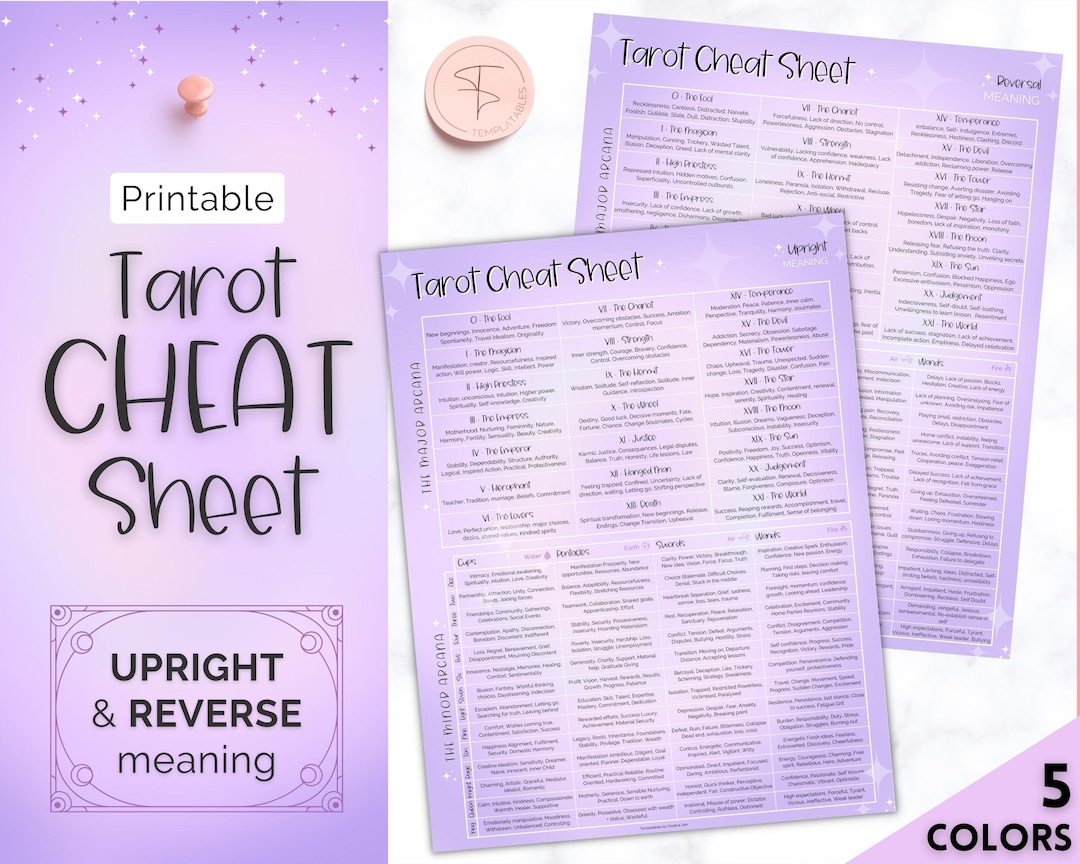
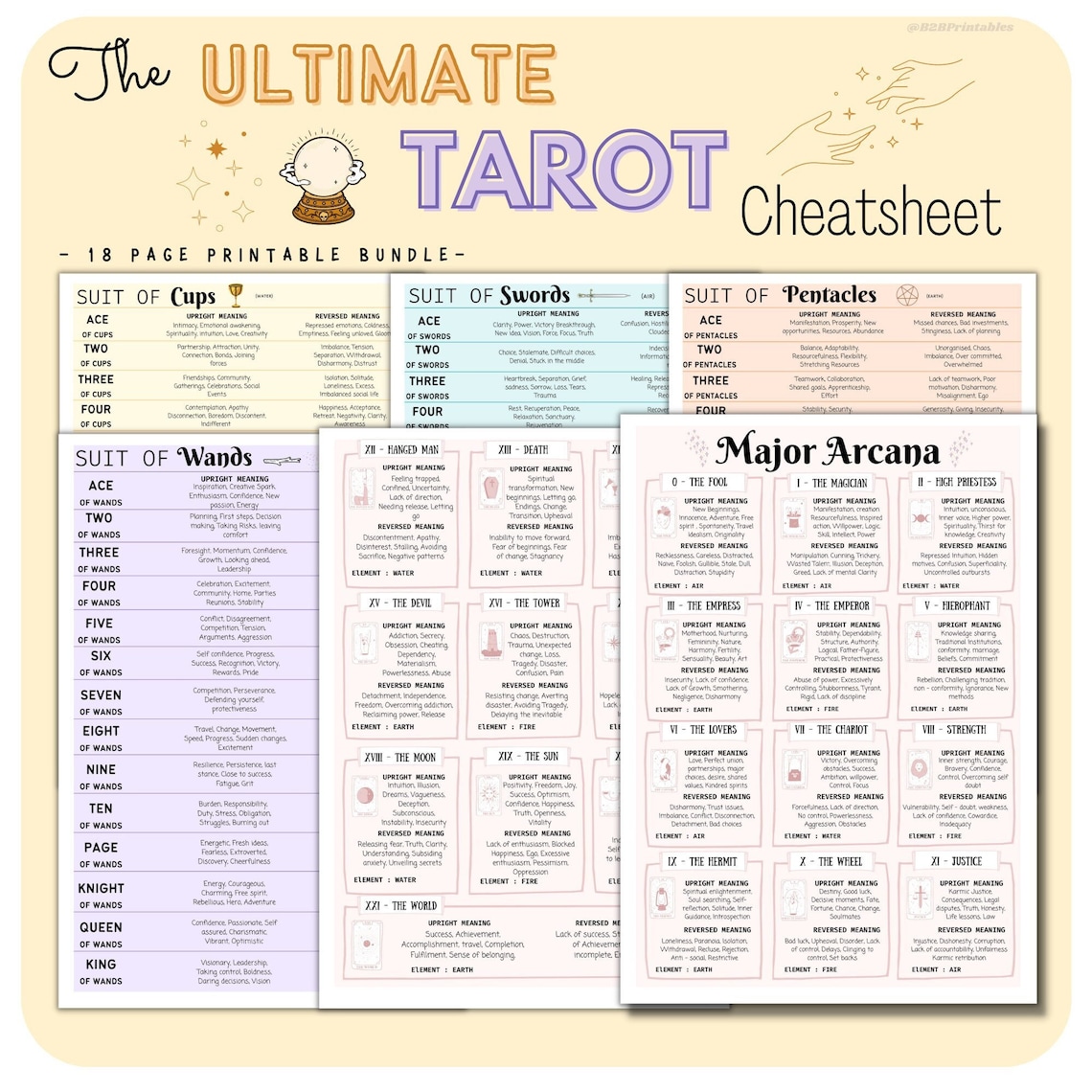
Create a Reversed Tarot Cheat Sheet
Keep a printed or digital cheat sheet handy with reversed meanings for your favorite cards. Over time, you’ll start to recognize patterns and develop your own interpretations. (Pro tip: Add personal anecdotes to make it even more useful!)
Use Reversals to Spark Journal Prompts
Turn reversed cards into writing prompts. For example:
– The reversed Three of Swords: What emotional wounds am I still carrying that I haven’t fully healed?
– The reversed Knight of Pentacles: Where am I being too rigid or resistant to change?
Journaling helps you dig deeper into the card’s message.
Experiment with Different Reversal Techniques
Not all readers use reversed cards the same way. Some flip the card intentionally, others read it as-is, and some use a “no reversals” approach. Try different methods to see what resonates with you. There’s no one-size-fits-all rule!
Conclusion: Reversed Tarot Cards Aren’t the Villain—They’re the Plot Twist
Reversed tarot cards might feel like the uninvited guest at your tarot party, but they’re actually the most transformative players in the deck. They challenge you to look beneath the surface, confront your shadows, and embrace the messy, beautiful complexity of life. Instead of fearing reversals, see them as invitations to grow—to question, to reflect, and to evolve.
Next time you pull a reversed card, take a deep breath and ask: What is this trying to teach me? The answer might just change everything. Save this guide, keep it close, and let the cards guide you—even when they’re flipped upside down.
FAQ
What are reversed tarot cards?
Reversed tarot cards are those that appear upside down in a reading, often indicating deeper meanings or challenges.
How can I interpret reversed tarot cards?
Interpreting reversed tarot cards involves understanding their context in the spread, identifying patterns, and trusting your intuition.
Leave a Reply