Short Answer
In this comprehensive guide, you’ll explore the profound and often misunderstood meanings of the Devil card in Tarot. Whether you’re a seasoned reader or a curious beginner, this article will illuminate the card’s symbolism, interpretations, and real-world applications. You’ll discover how the Devil isn’t just an external force but a reflection of your own shadows, attachments, and self-limiting beliefs. By the end, you’ll understand how to harness its energy for personal growth and transformation.
The Devil Tarot Card: An Overview
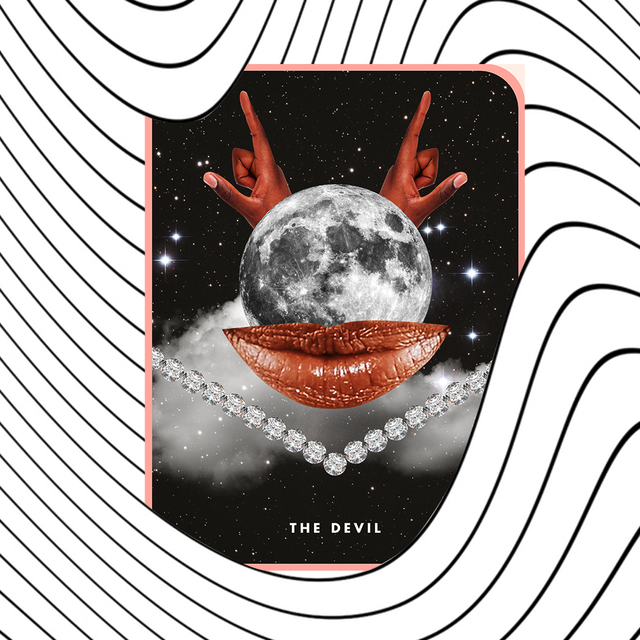
The Devil card, numbered XV in the Major Arcana, is one of the most visually striking and thematically intense cards in the Tarot deck. Often depicted with a horned figure, chains, and bound figures at its feet, it represents bondage, materialism, and the darker aspects of human nature. However, its true power lies in its ability to reveal what enslaves you—not externally, but within yourself.
Unlike cards that depict external forces like the Tower (sudden upheaval) or the Hanged Man (sacrifice), the Devil forces you to confront your own complicity in your struggles. It asks: What chains have you willingly forged? Whether it’s addiction, toxic relationships, or self-sabotaging habits, the Devil card holds up a mirror to your patterns. Its energy isn’t inherently evil; it’s a call to awareness and liberation.
Upright Meaning: Recognizing Your Chains
When the Devil appears upright in a reading, it signals a period of self-imposed limitations or unhealthy attachments. This could manifest as:
- Addiction: Whether to substances, social media, work, or toxic relationships, the Devil highlights compulsive behaviors that drain your energy.
- Materialism: An obsession with wealth, status, or possessions that leads to emptiness rather than fulfillment.
- Fear-Based Decisions: Staying in a job, partnership, or situation out of fear of the unknown or failure.
- Shadow Work: The card urges you to examine the parts of yourself you’ve disowned—traits like greed, jealousy, or resentment.
The key to interpreting the upright Devil is to ask: What am I clinging to that no longer serves me? It’s not about judgment but about recognizing the illusion of control these attachments provide. The chains in the card’s imagery are loose—suggesting you have the power to remove them, even if it feels daunting.
Reversed Meaning: Breaking Free
When the Devil appears reversed, it signals a turning point: the moment you begin to sever your ties to what binds you. This could look like:
- Awakening: Realizing you’ve been trapped in a cycle and taking the first steps toward change.
- Detachment: Letting go of people, habits, or beliefs that no longer align with your growth.
- Empowerment: Reclaiming your agency and refusing to be defined by others’ expectations or your past mistakes.
- Shadow Integration: Acknowledging and integrating the darker aspects of yourself rather than projecting them onto others.
The reversed Devil is a sign of liberation, but it’s not always easy. Breaking free often requires facing withdrawal—whether emotional, financial, or social. However, this card assures you that the discomfort is temporary and the freedom on the other side is worth the effort.

Symbolism in the Devil Card
The imagery of the Devil card is rich with symbolism, each element offering clues to its deeper meaning:
- The Horned Figure: Often associated with Baphomet or Pan, this figure represents primal instincts, raw power, and the untamed aspects of the self. It’s not evil but a reminder of your animal nature—your desires, fears, and survival instincts.
- The Chains: The figures at the Devil’s feet are bound by loose chains, symbolizing that the imprisonment is self-imposed. They could also represent societal conditioning, past traumas, or limiting beliefs you’ve internalized.
- The Flame-Tipped Torch: Held by the Devil, it represents the illusion of enlightenment through materialism or instant gratification. It’s a false light that distracts from true fulfillment.
- The Pentagram: Often inverted in the card, it symbolizes the material world dominating the spiritual, or the shadow side of the divine feminine/masculine energies.
- The Bats or Fireflies: These creatures represent fleeting pleasures or distractions that keep you from seeing the bigger picture.
Understanding these symbols can help you decode how the Devil’s energy is manifesting in your life. For example, if you’re drawn to the card repeatedly, it may be highlighting a specific area where you’re giving away your power.
Common Misconceptions About the Devil Card
The Devil card is often misunderstood, leading to fear or misinterpretation. Here are some common myths debunked:
- Myth 1: The Devil is about evil forces. Reality: It’s about your own shadows and the illusions you’ve created. The “evil” is in the denial of these aspects, not the aspects themselves.
- Myth 2: It’s a warning of doom. Reality: While it can indicate struggle, it’s also a call to action. The Devil doesn’t predict disaster; it predicts the consequences of ignoring your patterns.
- Myth 3: It only applies to addiction or toxic relationships. Reality: The Devil can represent any form of self-sabotage, including procrastination, people-pleasing, or staying in a comfort zone that’s actually a prison.
- Myth 4: It’s always negative. Reality: The reversed Devil, in particular, can signal liberation and empowerment. Even upright, it’s a card of truth—uncomfortable, but necessary.
How to Work with the Devil’s Energy
Whether the Devil appears in a reading or resonates with you intuitively, there are practical ways to engage with its energy for growth:
- Identify Your Chains: Journal about what feels heavy in your life. Is it a habit, a relationship, or a belief? Write it down without judgment.
- Ask the Hard Questions: What am I getting out of this situation? What would happen if I let go? What’s the worst-case scenario?
- Create Boundaries: The Devil thrives in blurred lines. Set clear limits with people, substances, or distractions that drain you.
- Embrace Shadow Work: Use tools like meditation, therapy, or Tarot itself to explore the parts of yourself you’ve repressed. The Devil rewards honesty.
- Practice Detachment: Start small—detach from the need for validation, the urge to gossip, or the habit of overworking. Notice how it feels to release control.
- Visualize Liberation: Imagine the chains breaking. What does freedom look like for you? How can you embody that energy now?
Real-Life Examples of the Devil’s Influence
To bring the Devil’s meaning to life, consider these scenarios:
- Career: You stay in a high-paying but soul-crushing job because of the fear of not finding another one. The Devil shows you the illusion of security versus the reality of your unhappiness.
- Relationships: You tolerate a partner’s emotional unavailability because you’re afraid of being alone. The Devil reveals how you’ve normalized scarcity in love.
- Health: You binge-eat or scroll endlessly on your phone to avoid dealing with stress. The Devil points to the temporary relief masking deeper issues.
- Spirituality: You follow a guru or trend blindly, outsourcing your intuition to external authority. The Devil asks: Who’s really in charge here?
In each case, the Devil isn’t condemning you—it’s inviting you to reclaim your power. The first step is always awareness.
Conclusion
The Devil Tarot card is a powerful teacher, but its lessons are only as harsh as the illusions you’ve built around yourself. It’s not about external demons; it’s about the demons you’ve invited in through habit, fear, or convenience. Whether it appears upright or reversed, the card’s message is clear: You are not a victim of your circumstances. You are the architect of your chains—and the key to your freedom.
Use the Devil’s energy to confront what binds you, not with shame, but with curiosity and courage. Ask yourself what you’re willing to release, what you’re willing to face, and what you’re willing to become. The Devil doesn’t just represent bondage; it represents the moment you decide to break free.
Remember, the chains in the card’s imagery are loose. The question is: Are you ready to take them off?
FAQ
What does the Devil card represent in Tarot?
The Devil card represents bondage, materialism, and the darker aspects of human nature, prompting self-reflection on personal attachments and limitations.
How should one interpret the Devil card when it appears upright?
When upright, the Devil signifies self-imposed limitations, unhealthy attachments, and urges reflecting on what no longer serves you.
What does the reversed Devil card mean?
The reversed Devil indicates breaking free from constraints, empowerment, and a journey towards liberation.
Leave a Reply