Short Answer
Welcome to your comprehensive guide on the Rider Waite Tarot Meanings – The Classic. Whether you’re a seasoned tarot enthusiast or a curious beginner, this guide will help you unlock the rich symbolism and profound insights hidden within the iconic Rider Waite deck. You’ll discover the meanings of each card, explore their poses and gestures, and learn how to interpret them in readings. By the end, you’ll be able to pose playful questions to the cards and navigate potential challenges with confidence. Let’s dive into the world of tarot and uncover its timeless wisdom.
The History and Legacy of the Rider Waite Tarot
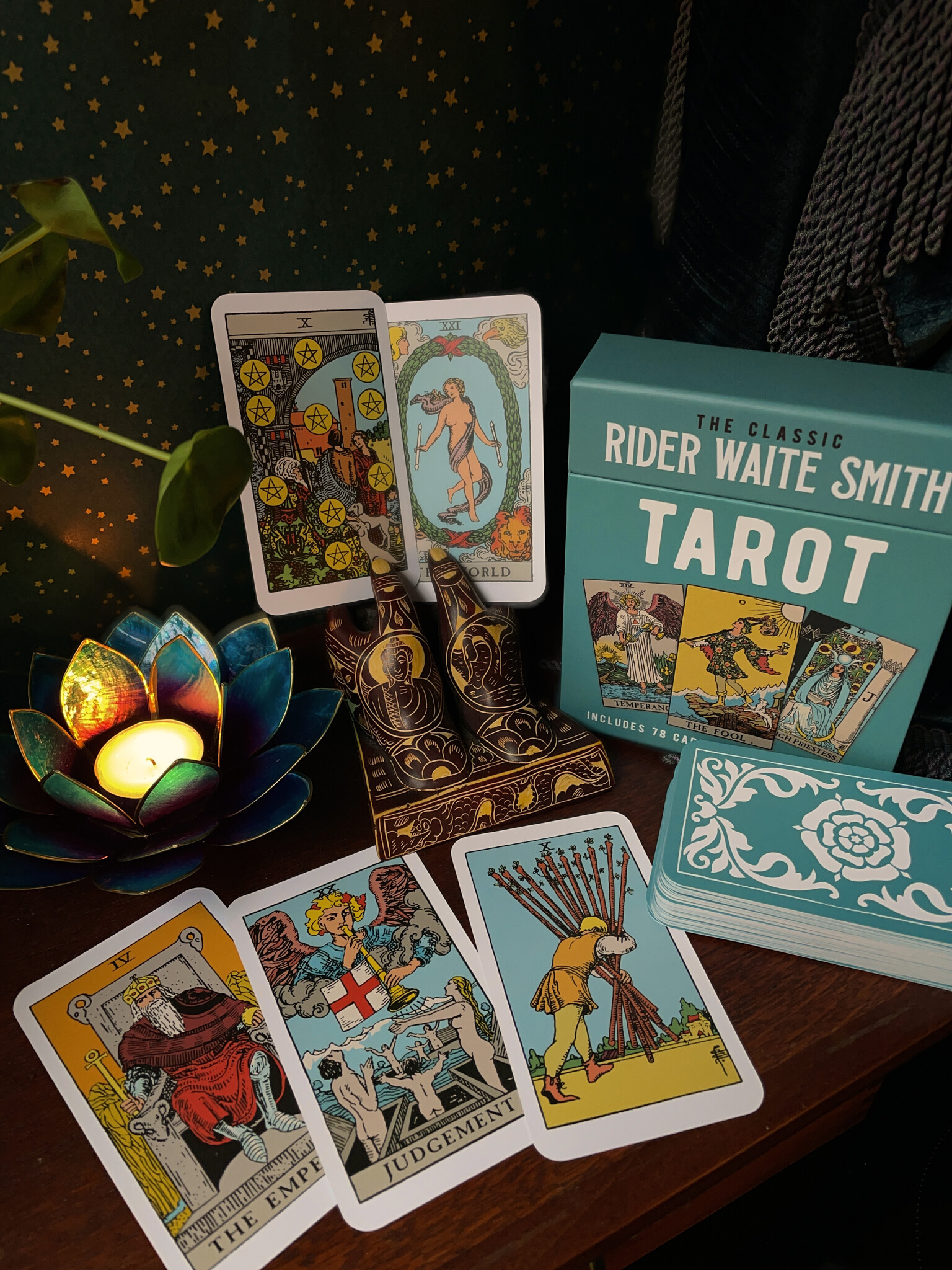
The Rider Waite Tarot, first published in 1909, is one of the most influential and widely used tarot decks in the world. Created by artist Pamela Colman Smith under the guidance of mystic A.E. Waite, this deck revolutionized tarot by introducing vivid, narrative-driven imagery for all 78 cards—including the Minor Arcana. Unlike earlier decks, which depicted the Minor Arcana with simple suit symbols, the Rider Waite deck infused each card with rich symbolism, making it accessible and intuitive for modern readers. The deck’s illustrations are deeply rooted in esoteric traditions, including astrology, Kabbalah, and Christian mysticism, yet they remain open to personal interpretation. This blend of tradition and flexibility has cemented its place as the go-to deck for beginners and professionals alike.
Understanding the Major Arcana: The Fool’s Journey
The Major Arcana consists of 22 cards, each representing a significant stage in the Fool’s Journey—a metaphorical path of spiritual growth and self-discovery. The Fool, card 0, begins the journey as an innocent, carefree spirit stepping into the unknown. Each subsequent card marks a lesson or challenge, culminating in the World (card 21), where the Fool achieves wholeness. For example, the Magician (I) symbolizes manifestation and resourcefulness, while the High Priestess (II) represents intuition and hidden knowledge. The Death (XIII) card, often misunderstood, signifies transformation rather than literal demise. By studying these cards, you’ll recognize patterns in your own life’s journey and gain clarity on the obstacles and opportunities ahead.
Decoding the Minor Arcana: The Four Suits and Their Meanings
The Minor Arcana is divided into four suits—Wands, Cups, Swords, and Pentacles—each corresponding to an element (Fire, Water, Air, Earth) and a realm of human experience. The suits reflect everyday situations, emotions, challenges, and material concerns, making them relatable in readings.
- Wands (Fire): Represent creativity, passion, ambition, and inspiration. They often indicate action, growth, and personal drive. For example, the Three of Wands suggests foresight and expansion, while the Ace of Wands signals new creative opportunities.
- Cups (Water): Govern emotions, relationships, and intuition. Cards like the Ten of Cups depict joy and harmony in family life, while the Five of Cups highlights loss or regret. Cups encourage you to explore your feelings and connections.
- Swords (Air): Deal with intellect, conflict, and communication. The King of Swords embodies clarity and authority, while the Eight of Swords reflects feeling trapped by limiting beliefs. Swords challenge you to cut through illusions and think critically.
- Pentacles (Earth): Focus on finances, work, health, and practical matters. The Six of Pentacles suggests generosity or balance in resources, while the Page of Pentacles indicates a new opportunity in learning or business. Pentacles ground your spiritual insights in reality.
Interpreting Poses and Gestures: What Do They Reveal?
The poses and gestures of the Rider Waite cards are far from random—they carry deep symbolic meaning. For instance, the Hermit holds a lantern aloft, symbolizing inner guidance and solitude, while the Lovers stand beneath an angel, representing choices and harmony. Pay attention to:
- Hand Positions: Open palms may indicate receptivity or honesty, while crossed arms could suggest defensiveness or withdrawal.
- Gazes: A character looking up often signifies aspiration or divine connection, while a downward gaze may reflect introspection or sadness.
- Body Language: The Chariot card’s sphinxes pulling in opposite directions highlight control and determination, while the Hanged Man’s suspended pose suggests surrender and new perspectives.
By analyzing these details, you’ll uncover layers of meaning that go beyond the card’s basic interpretation. Ask yourself: What is the figure doing? What emotions do their gestures evoke? How does this relate to my current situation?
Posing Playful Questions to the Tarot
Tarot thrives on curiosity, so don’t hesitate to get creative with your questions! Instead of broad inquiries like “Will I find love?” try something more engaging:
- “What playful energy is trying to enter my life right now?” Draw a card to reveal unexpected joys or creative sparks.
- “Which card represents the challenge I’m avoiding, and how can I face it with humor?” The Devil might suggest confronting unhealthy attachments, while the Tower could indicate a necessary upheaval.
- “What lesson does the Queen of Cups have for me today?” This card often highlights emotional intelligence—perhaps you need to trust your intuition or nurture your inner child.
Playful questions open the door to lighter, more intuitive readings. They also help you see challenges as opportunities for growth rather than obstacles. Remember, the tarot is a tool for exploration, not a rigid set of answers.
Navigating Challenges: When the Cards Seem Unclear
Even experienced readers encounter cards that feel confusing or contradictory. When this happens, take a step back and consider:
- Reversed Cards: While reversals can indicate blocked energy or internal struggles, they’re not inherently “bad.” The Three of Swords reversed might suggest healing from heartache, while the Strength reversed could point to self-doubt.
- Surrounding Cards: A card’s meaning shifts based on its neighbors. The Death card next to the Tower might amplify transformation, while the Sun could soften its intensity.
- Your Intuition: If a card’s traditional meaning doesn’t resonate, trust your gut. The tarot is deeply personal, and your interpretation is valid.
Challenges in readings often mirror real-life struggles. Use them as a chance to reflect: What is the card asking you to confront? How can you reframe the situation with curiosity rather than fear?
Practical Tips for Daily Tarot Practice
To deepen your connection with the Rider Waite Tarot, incorporate it into your daily routine:
- Single-Card Pulls: Draw one card each morning to set an intention or theme for the day. For example, the Ace of Pentacles might encourage you to focus on a new financial opportunity.
- Journaling: Write down your interpretations of each card, including poses, colors, and emotions. Over time, you’ll notice patterns and personal symbols.
- Meditation: Spend a few minutes visualizing a card’s imagery. How does it make you feel? What memories or insights arise?
- Card of the Day Spread: Place three cards—Past, Present, Future—to track your journey. Notice how the poses and gestures evolve over time.
Conclusion
The Rider Waite Tarot is more than a deck of cards—it’s a mirror to your soul, a guide through life’s twists, and a playful companion on your journey. By understanding the history, symbolism, and poses of each card, you’ll unlock layers of meaning that resonate with your unique path. Whether you’re seeking clarity, inspiration, or a fresh perspective, the tarot offers a space to explore without judgment. Embrace the challenges the cards present, ask bold questions, and let the wisdom of the Rider Waite deck illuminate your way. Remember, the cards are a tool, but your intuition is the true magic. Happy reading!
FAQ
What is the Rider Waite Tarot?
The Rider Waite Tarot is a widely used tarot deck known for its rich imagery and symbolism, created by Pamela Colman Smith and A.E. Waite in 1909.
How do I interpret the Major Arcana?
The Major Arcana represents significant life lessons and stages in the Fool’s Journey, each card embodying a unique aspect of spiritual growth.
What are the four suits of the Minor Arcana?
The Minor Arcana consists of Wands, Cups, Swords, and Pentacles, each reflecting different realms of human experience.
Leave a Reply