Short Answer
Welcome to your ultimate guide to the Rider-Waite Tarot! Whether you’re a curious beginner or a seasoned reader looking to deepen your understanding, this guide will walk you through the meanings of the cards, their symbolism, and how to interpret them in your readings. By the end, you’ll feel confident pulling cards and uncovering their messages. Let’s dive in!
The History Behind the Rider-Waite Tarot
The Rider-Waite Tarot deck, first published in 1909, is one of the most iconic and widely used tarot decks in the world. Created by A.E. Waite and illustrated by Pamela Colman Smith, this deck introduced a revolutionary approach by depicting full scenes on every card, including the Minor Arcana. Unlike earlier decks that only illustrated the Major Arcana with symbolic images, the Rider-Waite deck made the tarot more accessible and visually engaging. Waite, a member of the Hermetic Order of the Golden Dawn, infused the deck with rich esoteric symbolism, blending Christian, Kabbalistic, and alchemical imagery. This fusion created a deck that resonates deeply with both spiritual seekers and casual readers.
Understanding the Structure of the Deck
The Rider-Waite Tarot consists of 78 cards divided into two main groups: the Major Arcana and the Minor Arcana. The Major Arcana contains 22 cards, each representing significant life themes, spiritual lessons, or karmic influences. These cards often signify major life events or deep inner transformations. The Minor Arcana, on the other hand, has 56 cards divided into four suits—Wands, Cups, Swords, and Pentacles—each corresponding to different aspects of daily life. Wands relate to creativity and passion, Cups to emotions and relationships, Swords to intellect and conflict, and Pentacles to material wealth and practical matters. Together, these cards form a comprehensive map of the human experience.
Decoding the Major Arcana: Your Cosmic Journey
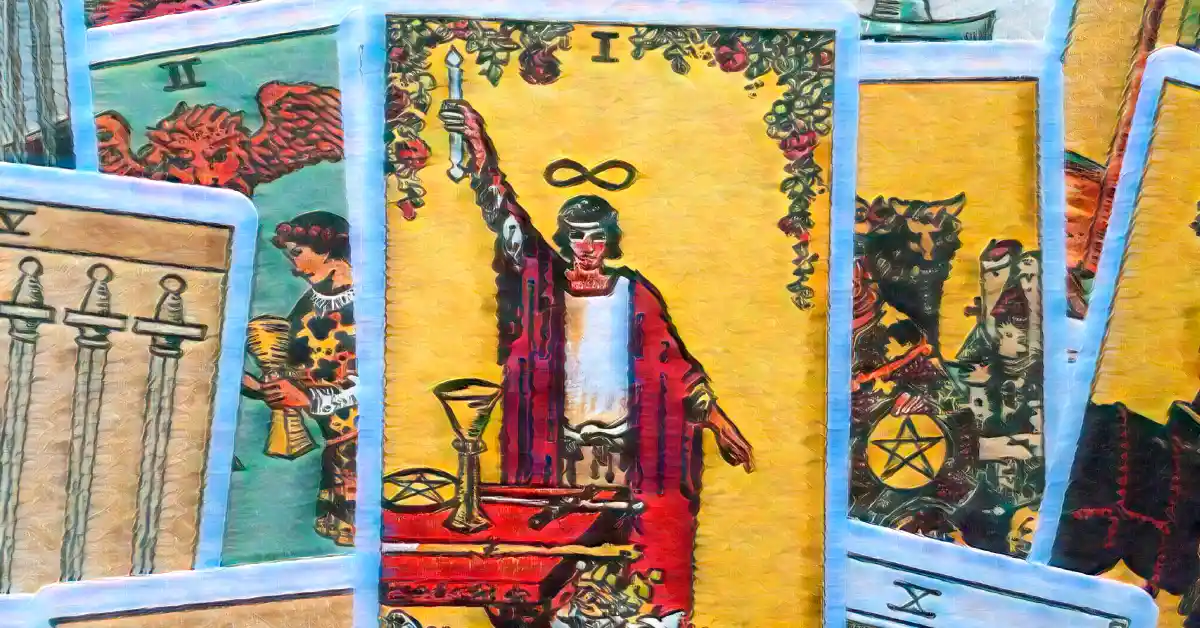
The Major Arcana cards tell a story, often referred to as “The Fool’s Journey.” This narrative follows the Fool, a naive but optimistic character, as he encounters various archetypes and life lessons. Starting with The Fool (card 0), which represents new beginnings and spontaneity, the journey progresses through cards like The Magician (manifestation), The High Priestess (intuition), and The Lovers (choices and relationships), culminating in The World (completion and fulfillment). Each card carries a unique energy and message. For example, The Tower (XVI) symbolizes sudden upheaval and revelation, while The Star (XVII) offers hope and inspiration. Understanding these cards helps you recognize the larger patterns in your life and the spiritual lessons unfolding.
Navigating the Minor Arcana: Daily Life Unfolded
The Minor Arcana cards reflect the everyday experiences and challenges you face. Each suit has its own personality and themes. Wands are fiery and dynamic, often indicating inspiration, ambition, or conflict. Cups are watery and emotional, representing love, intuition, and creativity. Swords are airy and intellectual, dealing with thoughts, decisions, and sometimes harsh truths. Pentacles are earthy and practical, focusing on finances, work, and stability. Within each suit, the cards are numbered from Ace (new beginnings) to Ten (completion), with four court cards (Page, Knight, Queen, King) representing people or personality traits. For instance, the Three of Cups celebrates friendship and joy, while the Five of Pentacles suggests financial struggle or feeling left out in the cold.
Interpreting Court Cards: People and Personalities
The court cards in the Minor Arcana can be tricky to interpret because they often represent people in your life or aspects of your own personality. Each court card is associated with a suit and a rank, creating a diverse cast of characters. For example, the Queen of Swords is sharp-witted and independent, while the Knight of Wands is adventurous and impulsive. When a court card appears in a reading, ask yourself: Is this describing someone I know, or is it reflecting a part of myself? Sometimes, these cards highlight qualities you need to embrace or challenges you must overcome. Pay attention to the card’s suit as well—it can reveal whether the energy is more emotional (Cups), intellectual (Swords), action-oriented (Wands), or practical (Pentacles).
Common Challenges and How to Overcome Them
Reading tarot isn’t always smooth sailing. One common challenge is the dreaded “blocked” card, where a card seems to resist interpretation or feels overwhelming. When this happens, take a step back and ask yourself: What emotions does this card evoke? Sometimes, the challenge lies in our own resistance to the message. Another hurdle is over-reliance on guidebooks, which can stifle your intuition. Instead of memorizing meanings, try to connect with the imagery and symbols on the cards. Ask open-ended questions like, “What is this card trying to tell me?” rather than seeking a literal answer. Remember, tarot is a tool for reflection, not a definitive prediction. Embrace the mystery and trust your inner wisdom.
Practical Tips for Accurate Readings
To get the most out of your tarot practice, start with simple spreads like the three-card spread (past, present, future) or the Celtic Cross. Shuffle the deck while focusing on your question or intention, then lay out the cards. Pay attention to the card’s position, its surrounding cards, and any recurring symbols or themes. Keep a tarot journal to track your readings and notice patterns over time. It’s also helpful to cleanse your deck regularly—whether through smudging, moonlight, or simply setting an intention—to clear any lingering energies. Don’t forget to approach the cards with an open mind and heart. The more you practice, the more intuitive your readings will become.
Conclusion: Your Tarot Journey Awaits
The Rider-Waite Tarot is more than just a deck of cards—it’s a mirror to your soul, a guide through life’s ups and downs, and a tool for self-discovery. Whether you’re seeking clarity, inspiration, or a deeper connection to your intuition, the tarot offers a unique perspective. Remember, there’s no right or wrong way to read the cards. Trust your instincts, stay curious, and let the imagery speak to you. As you continue your journey, you’ll find that the tarot becomes not just a practice, but a trusted companion in navigating life’s mysteries. So, shuffle your deck, ask a question, and let the cards reveal their wisdom. Your adventure with the Rider-Waite Tarot has only just begun.
FAQ
What is the Rider-Waite Tarot?
The Rider-Waite Tarot is a popular tarot deck known for its detailed imagery and symbolism, widely used for divination and self-reflection.
How do I read Rider-Waite Tarot cards?
Begin by shuffling the deck while focusing on your question, then lay out the cards in a spread and interpret their meanings based on their positions and relationships.
Leave a Reply