Short Answer
In this guide, you’ll explore the enigmatic world of the Röhrig Tarot, a deck that transcends traditional symbolism to embrace surrealism in its most haunting form. You’ll uncover the origins of this deck, its artistic influences, and why it captivates tarot enthusiasts and artists alike. By the end, you’ll understand the deeper reasons behind its enduring fascination and how it challenges conventional interpretations of the cards.
The Essence of Röhrig Tarot: A Surreal Journey
The Röhrig Tarot is not just a deck of cards; it’s a visual and emotional experience that defies the boundaries of traditional tarot imagery. Created by German artist Hajo Bücken, this deck reimagines the classic 78-card structure through a surrealist lens, blending dreamlike compositions with stark, almost confrontational symbolism. Unlike decks that rely on familiar archetypes, Röhrig’s cards feel like fragments of a forgotten dream—each image lingers in the mind long after it’s seen.
Surrealism, as a movement, seeks to unlock the unconscious mind, and the Röhrig Tarot embodies this philosophy. The cards often depict distorted figures, eerie landscapes, and unsettling juxtapositions that evoke a sense of unease or awe. For example, the Fool isn’t a carefree wanderer but a shadowy figure teetering on the edge of a cliff, while the Hermit is a lone figure holding a lantern in a void-like space. These choices aren’t arbitrary; they force the viewer to engage with the cards on a subconscious level, making readings feel more intuitive and less reliant on traditional meanings.
Artistic Influences: Where Surrealism Meets Tarot
The Röhrig Tarot draws heavily from the surrealist canon, particularly the works of Salvador Dalí and René Magritte. Dalí’s melting clocks and Magritte’s paradoxical imagery find echoes in Röhrig’s cards, where time seems fluid, and objects defy logic. The deck also incorporates elements of Gothic art and German Expressionism, adding a dark, almost cinematic quality to the visuals.
One of the most striking aspects of the Röhrig Tarot is its use of negative space. Many cards are dominated by vast, empty backgrounds that amplify the presence of the central figure or object. This technique creates a sense of isolation or introspection, reinforcing the tarot’s role as a tool for self-reflection. The Death card, for instance, isn’t a skeleton wielding a scythe but a lone figure standing in a barren field, surrounded by the remnants of what once was. The absence of traditional symbols forces the viewer to confront the card’s essence directly, without the distraction of familiar imagery.
The Cards Themselves: A Study in Contrasts
Each card in the Röhrig Tarot is a study in contrasts—light vs. dark, presence vs. absence, reality vs. illusion. The Magician card, for example, features a figure with multiple arms, each holding a different object, symbolizing the power of manifestation and adaptability. Meanwhile, the High Priestess is depicted as a veiled figure with a third eye, blending mysticism with a sense of hidden knowledge. These cards don’t just represent concepts; they embody them in a way that feels visceral and immediate.
Another hallmark of the Röhrig Tarot is its use of unconventional symbolism. The Tower card, for instance, doesn’t show a crumbling building but a figure plummeting from a towering structure, surrounded by flames. This interpretation aligns with the card’s traditional meaning of sudden upheaval but adds a layer of raw emotion. Similarly, the Lovers card isn’t a romantic scene but a pair of figures standing back-to-back, one holding a sword and the other a flower, symbolizing the duality of choice and consequence.
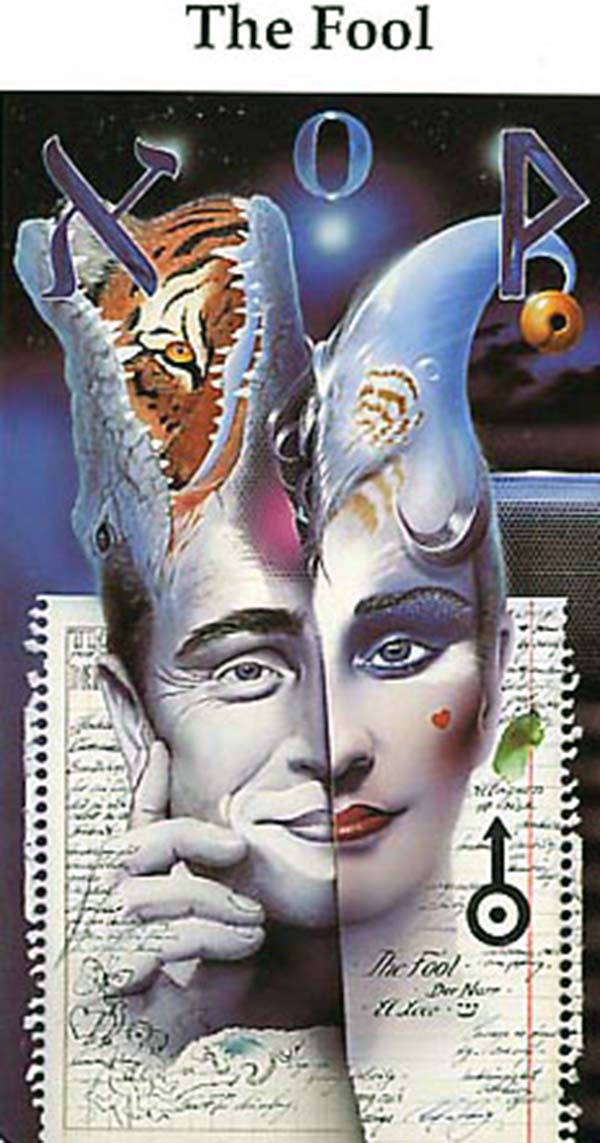
Why the Röhrig Tarot Fascinates: The Psychology Behind the Fascination
A common observation about the Röhrig Tarot is its ability to evoke a strong emotional response—whether fascination, unease, or deep introspection. This reaction isn’t accidental; it’s a deliberate outcome of the deck’s design. Surrealist art, by its nature, disrupts the viewer’s expectations, forcing them to confront their own subconscious associations. The Röhrig Tarot takes this a step further by applying surrealism to a system as structured as tarot, creating a tension between order and chaos.
For many, the fascination with this deck stems from its unpredictability. Unlike traditional tarot decks, where the imagery is familiar and comforting, the Röhrig Tarot presents a visual language that feels alien yet deeply personal. This ambiguity allows readers to project their own meanings onto the cards, making each reading a unique experience. It also explains why the deck appeals to artists, writers, and creatives who see tarot as a tool for inspiration rather than divination.
Another reason for its enduring appeal is the deck’s timelessness. While many tarot decks are rooted in historical or cultural contexts, the Röhrig Tarot feels like it exists outside of time. Its surrealism transcends eras, making it equally relevant to modern audiences as it would have been to its original creators. This quality ensures that the deck remains fresh and intriguing, even decades after its creation.
Practical Applications: How to Use the Röhrig Tarot
While the Röhrig Tarot is often admired for its artistic merit, it’s also a powerful tool for divination and self-exploration. Its unconventional imagery makes it ideal for those who want to break free from traditional interpretations and explore tarot in a more intuitive way. Here are a few ways to use the deck:
- Intuitive Readings: Let the imagery guide your interpretations rather than relying on traditional meanings. Pay attention to the emotions and thoughts that arise as you study each card.
- Meditation and Journaling: Use the cards as prompts for meditation or journaling. The surreal imagery can spark deep insights into your subconscious mind.
- Creative Projects: Artists and writers can use the Röhrig Tarot as a source of inspiration. The deck’s dreamlike quality makes it perfect for sparking new ideas.
- Shadow Work: The deck’s dark, introspective tone makes it well-suited for shadow work—exploring the hidden or repressed aspects of the self.
It’s worth noting that the Röhrig Tarot may not be ideal for beginners who are still learning traditional tarot symbolism. Its abstract nature can be overwhelming without a solid foundation in tarot basics. However, for those willing to embrace its ambiguity, the deck offers a rewarding and transformative experience.
Conclusion: The Enduring Allure of the Röhrig Tarot
The Röhrig Tarot is more than a deck of cards; it’s a portal into the surreal, the subconscious, and the unknown. Its ability to evoke strong emotional responses—whether fascination, unease, or awe—is a testament to its power as an artistic and spiritual tool. By blending surrealism with tarot, Hajo Bücken created a deck that challenges, inspires, and captivates, ensuring its place as a beloved and enduring work in the tarot community.
Whether you’re drawn to the Röhrig Tarot for its artistic merit, its psychological depth, or its potential for personal growth, one thing is certain: this deck doesn’t just show you the cards—it stares back, inviting you to confront the mysteries within and without.
FAQ
What is the Röhrig Tarot?
The Röhrig Tarot is a tarot deck created by Hajo Bücken that incorporates surrealist art to offer a unique approach to tarot reading.
How can I use the Röhrig Tarot?
The Röhrig Tarot can be used for intuitive readings, meditation, creative projects, and shadow work, allowing users to explore deeper emotional insights.
Is the Röhrig Tarot suitable for beginners?
While the Röhrig Tarot is artistically rich, it may not be ideal for beginners due to its abstract imagery; a solid foundation in traditional tarot is recommended.
Leave a Reply