Short Answer
In this guide, you’ll explore the profound symbolism of The Hanged Man, a Major Arcana card in the tarot deck that promises a transformative shift in perspective. Whether you’re seeking clarity in a difficult situation, navigating personal growth, or simply curious about the deeper meanings of this enigmatic card, this article will illuminate its significance. You’ll learn about its core themes, how it relates to self-sacrifice, and practical ways to interpret its message in your life. By the end, you’ll understand how The Hanged Man invites you to pause, reflect, and embrace new angles on old challenges.
The Hanged Man: A Card of Surrender and New Perspectives
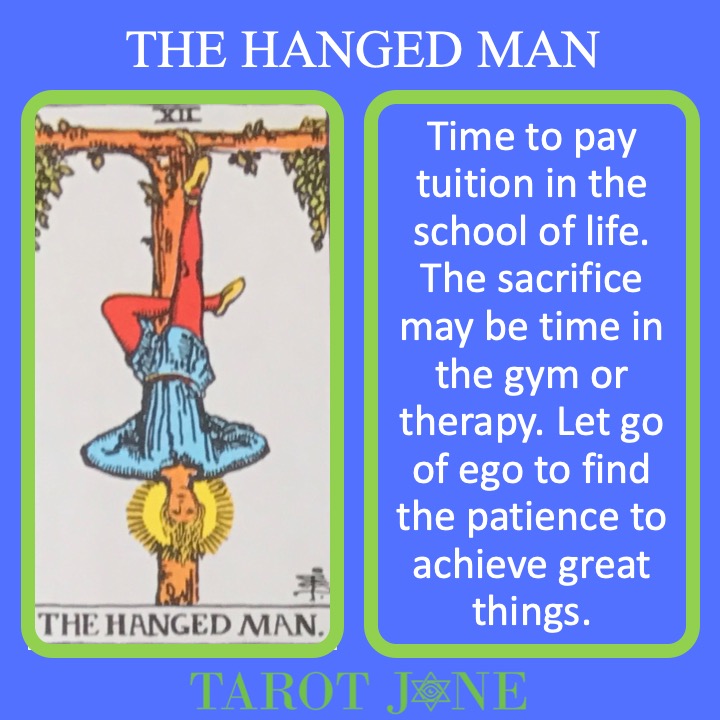
The Hanged Man is often depicted as a figure suspended upside-down, hanging from a living tree or a wooden beam. This imagery may seem paradoxical at first—why would a card symbolizing sacrifice and stillness appear in a deck meant to guide decision-making? The answer lies in its deeper message: sometimes, the most powerful action is the willingness to pause and see things differently. The Hanged Man teaches that surrender isn’t defeat; it’s an active choice to shift your viewpoint, even when the world around you feels chaotic.
In tarot readings, this card frequently appears when you’re stuck in a mental or emotional rut. It suggests that the answers you seek won’t come from forcing a solution but from allowing yourself to be in a state of suspended animation—literally and metaphorically. The Hanged Man’s posture, with one leg bent and the other tucked behind, symbolizes a temporary suspension of progress, a deliberate stillness that creates space for new insights. This card doesn’t advocate for passivity; instead, it highlights the power of strategic inaction.

Self-Sacrifice vs. Self-Denial: Understanding the Difference
One of the most misunderstood aspects of The Hanged Man is its association with self-sacrifice. It’s crucial to distinguish between healthy sacrifice—where you willingly give up something for a greater good—and self-denial, which often stems from fear or low self-worth. The Hanged Man’s sacrifice is purposeful and temporary, like an artist stepping back from a painting to see it with fresh eyes. It’s about letting go of control to gain clarity, not about punishing yourself or ignoring your needs.
For example, if you’re in a high-stress job that drains your energy, The Hanged Man might suggest taking a step back to reassess your priorities rather than quitting impulsively. The sacrifice here is your time and immediate productivity, but the reward is a clearer understanding of what truly matters to you. This card encourages you to ask: What am I holding onto that no longer serves me? The answer often lies in releasing attachments—whether to outcomes, relationships, or identities—that have outlived their purpose.
Self-sacrifice in the context of The Hanged Man is also about timing. It’s not about martyrdom but about recognizing when to yield to the natural flow of life. Think of it like a tree bending in the wind: it doesn’t resist; it adapts, and in doing so, it survives storms that might uproot a rigid structure. This card reminds you that some battles aren’t worth fighting, and some paths aren’t worth pursuing—at least not right now.
How The Hanged Man Promises a Shift in Perspective
The Hanged Man’s most transformative gift is its ability to reframe your reality. When this card appears in a reading, it signals that your current situation is a setup for a breakthrough—if you’re willing to look at it differently. The upside-down figure isn’t just a passive observer; they’re an active participant in their own transformation. This card invites you to question your assumptions, challenge your biases, and consider viewpoints you’ve previously dismissed.
For instance, if you’re facing a career dilemma, The Hanged Man might encourage you to see your “failure” as a necessary detour rather than a dead end. It could be asking you to consider how your skills might be better utilized in a different role or industry. The shift in perspective here isn’t about blind optimism; it’s about recognizing the hidden opportunities in what initially seems like a setback. This card often appears when you’re on the verge of a paradigm shift—whether in your personal life, relationships, or professional journey.
Another way The Hanged Man reshapes your thinking is by highlighting the value of delayed gratification. In a culture that prioritizes instant results, this card is a radical reminder that some of life’s most profound rewards come from patience and introspection. It’s the difference between forcing a door open and waiting for the right moment to turn the key. When you embody the energy of The Hanged Man, you’re not just waiting for change—you’re actively creating the conditions for it by changing your own mindset.
Piquing Curiosity: The Hanged Man as a Catalyst for Exploration
The Hanged Man doesn’t just shift your perspective—it piques your curiosity, urging you to explore the unknown. This card is deeply connected to the idea of liminal spaces: thresholds, transitions, and in-between phases where the rules of the ordinary world don’t apply. It’s the moment before a caterpillar becomes a butterfly, the pause before a seed breaks through the soil. In your life, The Hanged Man might appear when you’re on the cusp of a spiritual awakening, a creative breakthrough, or a major life transition.
Curiosity is the driving force behind The Hanged Man’s magic. It asks you to lean into the discomfort of not knowing, to ask questions you’ve never asked before, and to explore paths you’ve previously ignored. For example, if you’ve always been career-focused, this card might nudge you toward a creative hobby or spiritual practice you’ve dismissed. It’s not about abandoning your goals but about expanding your definition of what’s possible. The Hanged Man thrives in the gray areas—the places where logic and intuition intersect.
This card also encourages you to engage with your inner world. Meditation, journaling, or even daydreaming can become powerful tools when The Hanged Man appears. It’s a call to turn inward, to listen to the whispers of your subconscious, and to trust the insights that arise from stillness. The curiosity it inspires isn’t just about seeking answers outside yourself; it’s about uncovering the wisdom that’s already within you, waiting to be acknowledged.
Practical Ways to Work with The Hanged Man’s Energy
If The Hanged Man has appeared in your reading, there are several ways to harness its energy for personal growth. Start by creating space for stillness in your daily routine. This could mean setting aside 10 minutes each morning to sit quietly, observing your thoughts without judgment. Alternatively, try a “sacred pause” before making any major decisions—ask yourself, What would happen if I waited? The goal isn’t to avoid action but to ensure your actions are aligned with deeper wisdom.
Another practical approach is to reframe your challenges as opportunities for perspective shifts. For example, if you’re dealing with a difficult relationship, The Hanged Man might suggest asking, How can I see this person in a new light? or What can I learn from this situation? This doesn’t mean tolerating toxic behavior; it means seeking the lesson in the discomfort. Journaling can be a powerful tool here—write about the situation from a neutral third-party perspective to gain clarity.
You can also explore creative outlets to channel The Hanged Man’s energy. Painting, writing, or even rearranging your living space can serve as metaphors for the transformation this card represents. For instance, if you’re stuck in a creative project, try approaching it from a different angle—literally turn your canvas upside down or write a scene from a character’s perspective instead of your own. These small acts of rebellion against your usual patterns can unlock new ideas.
Common Misconceptions About The Hanged Man
Despite its rich symbolism, The Hanged Man is often misunderstood. One of the most common misconceptions is that it represents victimhood or helplessness. In reality, the figure in the card is in a state of voluntary suspension—they chose to hang upside down, just as you can choose to pause and reflect. This card isn’t about being powerless; it’s about recognizing that power lies in your ability to see things differently.
Another myth is that The Hanged Man is always a negative card. While it can indicate a period of discomfort or uncertainty, its message is ultimately one of hope. It’s the calm before the breakthrough, the darkness before the dawn. The discomfort it brings is temporary, and its purpose is to lead you to a higher plane of understanding. If you’re resisting its energy, ask yourself: What am I afraid of losing by staying still? The answer might reveal the deeper fears The Hanged Man is helping you confront.
Some people also associate The Hanged Man with sacrifice in the traditional sense—giving up something valuable for nothing in return. However, this card’s sacrifice is more about exchange than loss. You’re not losing your time, energy, or resources; you’re investing them in a process that will yield greater clarity and wisdom. Think of it like a farmer who plants seeds and waits for the harvest—the sacrifice of immediate gratification leads to long-term abundance.
Conclusion
The Hanged Man is one of the most enigmatic and powerful cards in the tarot deck, offering a path to transformation through surrender, sacrifice, and perspective shifts. It reminds you that sometimes the most profound growth comes not from relentless action but from deliberate stillness. By embracing its energy, you open yourself to new ways of seeing the world—and yourself. Whether it appears in a reading or resonates with you intuitively, The Hanged Man invites you to pause, reflect, and trust the process of unfolding.
Remember, the card’s message isn’t about forcing change but about allowing it to happen naturally. The shift in perspective it promises isn’t instantaneous; it’s a gradual unfolding, like the slow unfurling of a flower. When you embody the wisdom of The Hanged Man, you step into a space where curiosity, patience, and surrender become your greatest tools for transformation. The next time life feels overwhelming, ask yourself: What if I turned it upside down? The answer might just change everything.
FAQ
What does The Hanged Man tarot card represent?
The Hanged Man represents self-sacrifice, surrender, and the need to gain new perspectives.
How can I apply the lessons of The Hanged Man in my life?
You can apply its lessons by embracing stillness, reassessing priorities, and being open to new insights.
Leave a Reply