Short Answer
Welcome to a transformative journey where tarot becomes more than cards—it becomes a mirror to your soul. In this guide, you’ll discover how Shadow Work Tarot can illuminate the hidden corners of your mind, heal emotional wounds, and guide you toward self-awareness. Whether you’re a seasoned tarot reader or a curious beginner, this exploration will reveal how the cards can act as a bridge between your conscious and subconscious, helping you confront, understand, and ultimately integrate your shadow self. Prepare to unlock the secrets of your inner world and embrace the healing power of tarot.
The Essence of Shadow Work Tarot: A Mirror to the Soul
Shadow Work Tarot is not just another tarot spread—it’s a sacred dialogue with the parts of yourself you’ve long ignored or suppressed. The concept of the “shadow self” originates from psychologist Carl Jung, who described it as the unconscious aspect of our personality that contains repressed weaknesses, desires, and instincts. When left unexamined, these shadows can manifest as self-sabotage, unexplained fears, or emotional blockages. Tarot, with its rich symbolism and intuitive depth, serves as a powerful tool to bring these hidden aspects into the light.
Unlike traditional tarot readings that focus solely on guidance or prediction, Shadow Work Tarot dives into the raw, unfiltered truths of your psyche. The cards act as a neutral observer, reflecting back to you the patterns, traumas, and unresolved emotions that shape your behavior. By engaging with this practice, you create a safe space to confront your inner demons, acknowledge your vulnerabilities, and ultimately, reclaim your wholeness. The process is not about judgment but about compassionate self-inquiry—where every card drawn is an invitation to grow.

Why Shadow Work Tarot Stands Apart: The Unique Appeal
What makes Shadow Work Tarot so compelling is its ability to transcend the ordinary. While general tarot readings might offer advice or reassurance, Shadow Work Tarot strips away the superficial and delves into the core of your being. It’s a practice that demands courage, honesty, and a willingness to sit with discomfort—but the rewards are profound. Unlike other forms of self-reflection, tarot provides a structured yet flexible framework that adapts to your personal journey. Whether you’re exploring past wounds, current conflicts, or future aspirations, the cards serve as a guide, helping you navigate the labyrinth of your subconscious.
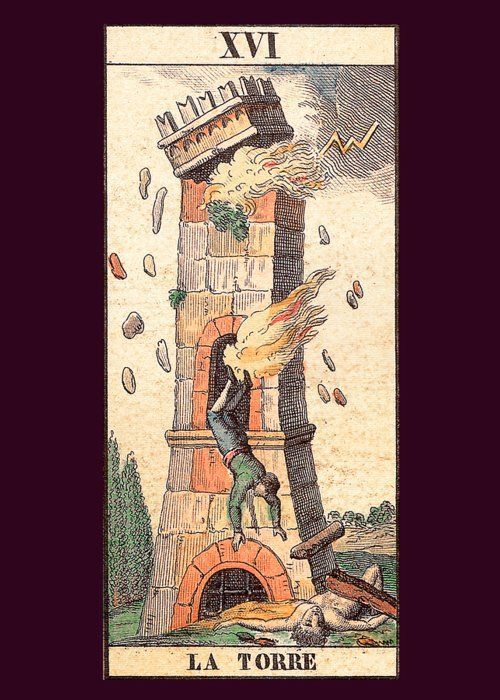
Another unique aspect of Shadow Work Tarot is its emphasis on metaphor and symbolism. The imagery in tarot cards—whether it’s the towering figures of the Major Arcana or the intricate scenes of the Minor Arcana—speaks a language that bypasses the logical mind. This allows you to access insights that might otherwise remain buried in the depths of your psyche. For example, the Tower card might represent a sudden breakdown that forces you to rebuild your life, while the Three of Swords could symbolize heartbreak that ultimately leads to emotional resilience. By interpreting these symbols through the lens of your personal experiences, you unlock a deeper understanding of your inner world.

How to Begin Your Shadow Work Tarot Journey
Embarking on a Shadow Work Tarot journey requires intention, preparation, and an open heart. Start by setting aside a quiet, uninterrupted space where you can focus solely on the practice. Light a candle, burn incense, or play soft music to create a sacred atmosphere. Choose a deck that resonates with you—whether it’s the classic Rider-Waite-Smith, the intuitive Wild Unknown, or a themed deck like the Shadowscapes Tarot. The key is to select a deck that feels like an extension of your soul, as this will deepen your connection to the cards.
Before diving into a reading, take a moment to ground yourself. Close your eyes, take deep breaths, and center your energy. You might ask yourself a question like, “What part of myself am I avoiding?” or “What shadow aspect needs my attention today?” Shuffle the deck while holding this intention in your mind. When you feel ready, draw your cards. A common Shadow Work Tarot spread involves selecting three cards: one representing your shadow self, another symbolizing the lesson it holds, and the third showing the path forward. As you interpret each card, pay attention to your immediate reactions—do any images, symbols, or emotions stand out? Trust your intuition, as it often reveals the most profound insights.

The Role of the Major and Minor Arcana in Shadow Work
The tarot deck is divided into two main sections: the Major Arcana and the Minor Arcana. Each serves a distinct purpose in Shadow Work Tarot. The Major Arcana, with its 22 cards, represents the grand themes of life—birth, death, love, betrayal, and transformation. These cards often appear in Shadow Work readings to highlight pivotal moments or karmic lessons. For instance, the Death card (often misunderstood as literal death) can signify the end of a cycle, such as a toxic relationship or a self-limiting belief. Encountering this card in a reading might prompt you to reflect on what needs to die in your life to make space for growth.
The Minor Arcana, on the other hand, consists of 56 cards divided into four suits—Cups, Swords, Wands, and Pentacles—each corresponding to different aspects of human experience. In Shadow Work Tarot, the Minor Arcana often reveals the everyday patterns and emotions that shape your shadow self. For example, the Five of Cups might indicate lingering grief or regret, while the Eight of Swords could symbolize feelings of being trapped by your own thoughts. By examining these cards in the context of your personal story, you gain clarity on the specific shadows that require your attention. Together, the Major and Minor Arcana create a comprehensive map of your inner landscape, guiding you toward healing and integration.
Common Shadows Revealed Through Tarot and How to Address Them
Shadow Work Tarot can bring to light a variety of shadows, each with its own unique challenges and lessons. One of the most common shadows is self-criticism, which often manifests in readings through cards like the Hermit (isolation) or the Five of Pentacles (feeling unworthy). To address this shadow, you might journal about your inner critic, asking where these harsh judgments originated. Another prevalent shadow is fear of abandonment, which can be linked to cards like the Two of Cups (unbalanced relationships) or the Ten of Swords (betrayal). Exploring this shadow might involve examining past relationships and identifying patterns of self-sabotage.
Repressed anger is another shadow that frequently surfaces in Shadow Work Tarot readings, often represented by the Three of Wands (frustration) or the Tower (sudden upheaval). To work with this shadow, consider creative outlets like writing, art, or even physical exercise to release pent-up emotions. Lastly, the shadow of perfectionism can be seen in cards like the Six of Swords (struggle for control) or the Nine of Wands (defensiveness). This shadow may require you to embrace imperfection and practice self-compassion. By identifying these shadows and their corresponding cards, you can begin to dismantle their power and reclaim your inner strength.
Creating a Sustainable Shadow Work Tarot Practice
Consistency is key when it comes to Shadow Work Tarot. While a single reading can offer profound insights, regular practice deepens your connection to your shadow self and accelerates your healing journey. Start by dedicating a specific time each week to your tarot practice—whether it’s a full spread or a single-card pull. Keep a journal to document your readings, noting the cards drawn, your interpretations, and any emotions or memories that arise. Over time, you’ll begin to notice recurring themes and patterns, which can guide your personal growth.
It’s also important to approach your Shadow Work Tarot practice with gentleness. Healing is not linear, and some readings may bring up intense emotions. If a card or spread feels overwhelming, take a break and return to it when you’re ready. You might also incorporate grounding techniques, such as meditation or breathwork, to center yourself before and after your readings. Additionally, consider working with a trusted friend, therapist, or spiritual guide who can offer support and perspective. Remember, the goal of Shadow Work Tarot is not to “fix” yourself but to embrace every part of your being with love and acceptance.
Conclusion: Embrace Your Shadows, Transform Your Life
Shadow Work Tarot is more than a spiritual exercise—it’s a journey of self-discovery and empowerment. By confronting your shadows, you unlock the door to profound healing, self-awareness, and personal transformation. The tarot acts as a compassionate guide, illuminating the hidden aspects of your psyche and helping you integrate them into your conscious life. As you continue to explore this practice, you’ll find that the cards become a trusted companion, offering wisdom and clarity when you need it most.
Remember, your shadow is not your enemy; it is a part of you that holds valuable lessons and untapped potential. Through Shadow Work Tarot, you learn to dance with your shadows rather than fight them, turning darkness into light and wounds into wisdom. So, shuffle your deck, draw your cards, and step into the transformative power of tarot. Your healing starts here.
FAQ
What is Shadow Work Tarot?
Shadow Work Tarot is a practice that uses tarot cards to explore and integrate the hidden aspects of one’s personality, known as the shadow self.
How do I start with Shadow Work Tarot?
Begin by creating a quiet space, selecting a tarot deck that resonates with you, and setting intentions for your reading.
Leave a Reply