Short Answer
Have you ever drawn a tarot card and found yourself staring at it, wondering what it means when it’s neither upright nor reversed? The sideways tarot card—often overlooked in favor of its more dramatic counterparts—holds a unique and enigmatic energy all its own. In this guide, you’ll uncover the hidden symbolism, interpretive nuances, and practical applications of sideways tarot meanings. Whether you’re a seasoned reader or a curious beginner, this exploration will transform how you perceive the cards and deepen your connection to their messages.
The Sideways Tarot Card: A Hidden Language of Nuance
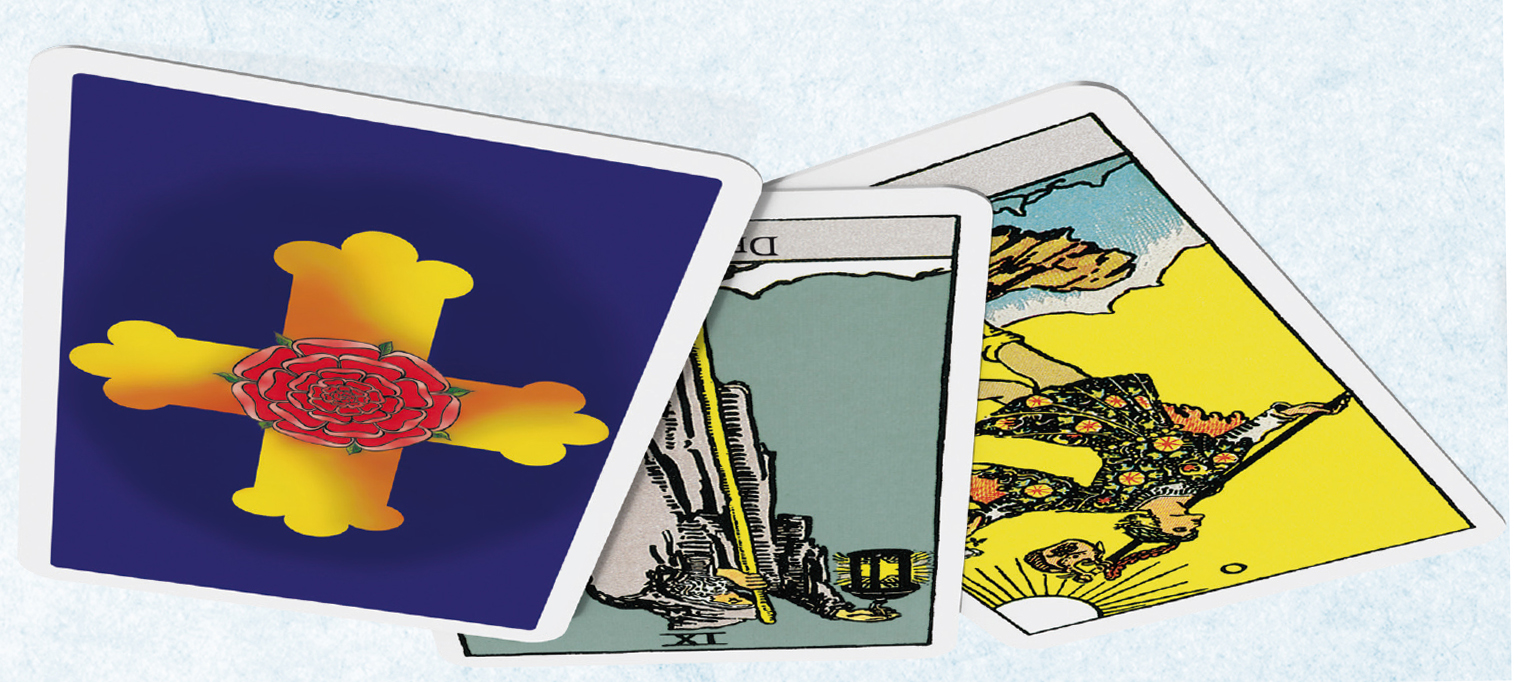
While upright and reversed cards dominate most tarot discussions, the sideways card introduces a third dimension of meaning—one that’s neither fully positive nor negative, neither entirely clear nor obscured. Imagine a door slightly ajar: it’s not fully open, nor is it shut. It’s a threshold, a moment of pause, a whisper of potential. Sideways cards often reflect ambiguity, transition, or a need for reflection. They challenge the binary of “yes” or “no,” instead inviting the querent to sit with the tension of uncertainty.
This liminal space is where creativity thrives. Sideways cards can signify a pause in action, a sideways glance at a situation, or a sideways step toward a new path. They don’t scream their meaning; they murmur it, requiring the reader to lean in, to listen closely. For example, the Three of Cups sideways might suggest a celebration that’s muted or a gathering that’s missing its spark. The Tower sideways could indicate a slow-burning crisis rather than a sudden upheaval. The sideways card is the tarot’s way of saying, “Look again. There’s more here than meets the eye.”
Why Sideways Cards Matter: The Beauty of Uncertainty
In a world obsessed with black-and-white answers, sideways tarot cards offer a refreshing dose of gray. They remind us that life isn’t always a straight path—sometimes, it’s a meandering trail where the destination isn’t yet clear. Sideways cards can represent:
- Indecision: A moment where the querent is torn between two choices, neither of which feels fully right.
- Stagnation: A situation that’s neither progressing nor regressing, but stuck in a holding pattern.
- Hidden influences: Subtle forces at play that aren’t immediately obvious, like a quiet undercurrent in a relationship.
- Creative block: A pause in inspiration, where ideas are percolating beneath the surface.
The sideways card is the tarot’s way of honoring the complexity of human experience. It doesn’t rush to judgment; instead, it invites the querent to explore the layers beneath the surface. This makes sideways cards particularly powerful in readings about personal growth, relationships, and career paths, where nuance is often the key to unlocking deeper truths.
How to Interpret Sideways Tarot Cards: A Step-by-Step Guide
Interpreting a sideways tarot card requires a blend of intuition and structure. Here’s a practical approach to decoding their meanings:
1. Observe the Card’s Orientation
Is the card leaning to the left or the right? In tarot, left often symbolizes the past, intuition, or subconscious influences, while right leans toward the future, action, or external forces. A card tilting left might suggest lingering doubts or unresolved issues, while one tilting right could indicate a need to move forward despite uncertainty.
2. Examine the Imagery
Look closely at the card’s symbols. Are the figures turned away? Are objects tilted or unbalanced? For example, the Lovers card sideways might show the figures facing opposite directions, hinting at a relationship where partners are growing apart. The Wheel of Fortune sideways could depict the wheel spinning out of control, suggesting a lack of control over one’s fate.
3. Consider the Card’s Traditional Meanings
Ask yourself: What does this card usually represent? Then, imagine how that meaning shifts when the card is sideways. The Death card, for instance, is often about transformation. Sideways, it might suggest a slow, painful change rather than a sudden rebirth. The Chariot sideways could indicate a struggle to maintain direction, where the querent feels pulled in multiple directions.
4. Trust Your Intuition
Sideways cards thrive on subjective interpretation. If a card feels heavy when it’s sideways, it might carry a weightier message. If it feels light or playful, it could be a sign to embrace spontaneity. Your gut reaction to the card’s energy is often the most accurate guide.
5. Ask Open-Ended Questions
Instead of seeking a definitive answer, use the sideways card as a springboard for deeper inquiry. For example:
- “What is this card trying to show me that I’m not seeing?”
- “Where am I stuck, and what’s the smallest step I can take forward?”
- “What hidden opportunity is this sideways energy pointing toward?”
Common Sideways Tarot Cards and Their Meanings
While every card can appear sideways, some lend themselves particularly well to this orientation. Here’s a quick reference for a few key cards:
| Card | Traditional Meaning | Sideways Meaning |
|---|---|---|
| The Fool | New beginnings, spontaneity, adventure | A misstep or hesitation before a leap; fear of the unknown |
| The High Priestess | Intuition, mystery, hidden knowledge | A block in intuition; ignoring inner wisdom |
| The Emperor | Authority, structure, leadership | A lack of control or rigid authority; feeling stifled |
| The Star | Hope, inspiration, healing | Doubt in one’s path; fading hope |
| Ten of Swords | Rock bottom, painful endings | A slow, lingering pain; unresolved grief |
Sideways Tarot in Practice: Readings and Spreads
Incorporating sideways cards into your readings can add depth and intrigue. Here are a few ways to work with them:
1. The “Pause” Spread
Use this spread when the querent is feeling stuck or indecisive. Lay out three cards:
- Card 1 (Past): What led to this moment of uncertainty?
- Card 2 (Present): What is the sideways energy trying to tell me right now?
- Card 3 (Future): What could unfold if I lean into this ambiguity?
This spread helps the querent see the sideways card as a temporary state rather than a permanent one.
2. The “Hidden Message” Spread
For a single sideways card, ask the querent to draw three additional cards to clarify its meaning:
- Card 1: What is the core message of this sideways card?
- Card 2: What is being overlooked or ignored?
- Card 3: What action can I take to move forward?
This spread turns the sideways card into a conversation rather than a standalone message.
3. The “Creative Block” Spread
Sideways cards often appear when creativity is stifled. Use this spread to explore artistic or innovative challenges:
- Card 1: What is blocking my creative flow?
- Card 2: How can I reframe this block as an opportunity?
- Card 3: What small step can I take today to reignite my inspiration?
Embracing the Sideways: A New Perspective on Tarot
The sideways tarot card is a reminder that not all truths are loud or clear. Sometimes, the most profound insights come in whispers, in the spaces between the expected. By learning to interpret these cards, you open yourself to a richer, more nuanced understanding of the tarot’s language. Sideways cards teach patience, encourage reflection, and invite curiosity—qualities that are just as valuable as the cards themselves.
Next time you encounter a sideways card, resist the urge to force it into an upright or reversed interpretation. Instead, lean into the mystery. Ask yourself: What is this card trying to show me that I haven’t yet considered? What if the answer isn’t a straight path, but a winding road? The sideways tarot card is your guide to the in-between, the almost, the not quite. And in that space, you might just find the clarity you’ve been searching for.
Conclusion
The sideways tarot card is more than just a quirk of fate—it’s a powerful symbol of life’s inherent ambiguity. By embracing its unique energy, you unlock a deeper layer of tarot wisdom, one that honors the complexity of human experience. Whether you’re a reader or a querent, the sideways card invites you to slow down, look closer, and trust the process of unfolding. So the next time a card lands sideways, don’t turn away. Instead, step through that half-open door and see where the journey takes you.
FAQ
What does a sideways tarot card mean?
A sideways tarot card represents ambiguity, transition, or a need for reflection. It is neither fully positive nor negative and encourages exploring subtle or hidden meanings.
How should I interpret the direction a sideways card leans?
If a sideways card leans left, it may signify past influences or intuition; if it leans right, it may indicate future actions or external forces.
Can all tarot cards appear sideways?
Yes, any tarot card can appear sideways, and their meanings shift to reflect uncertainty, pause, or nuanced interpretations.
How can I use sideways cards in tarot spreads?
Sideways cards can be focal points in spreads designed for exploring uncertainty, creative blocks, or hidden messages, such as the ‘Pause’ spread or the ‘Hidden Message’ spread.
Are sideways tarot card meanings widely accepted?
While less commonly discussed than upright or reversed cards, sideways card interpretations are gaining recognition as valuable for adding depth and subtlety to readings.
Leave a Reply