Short Answer
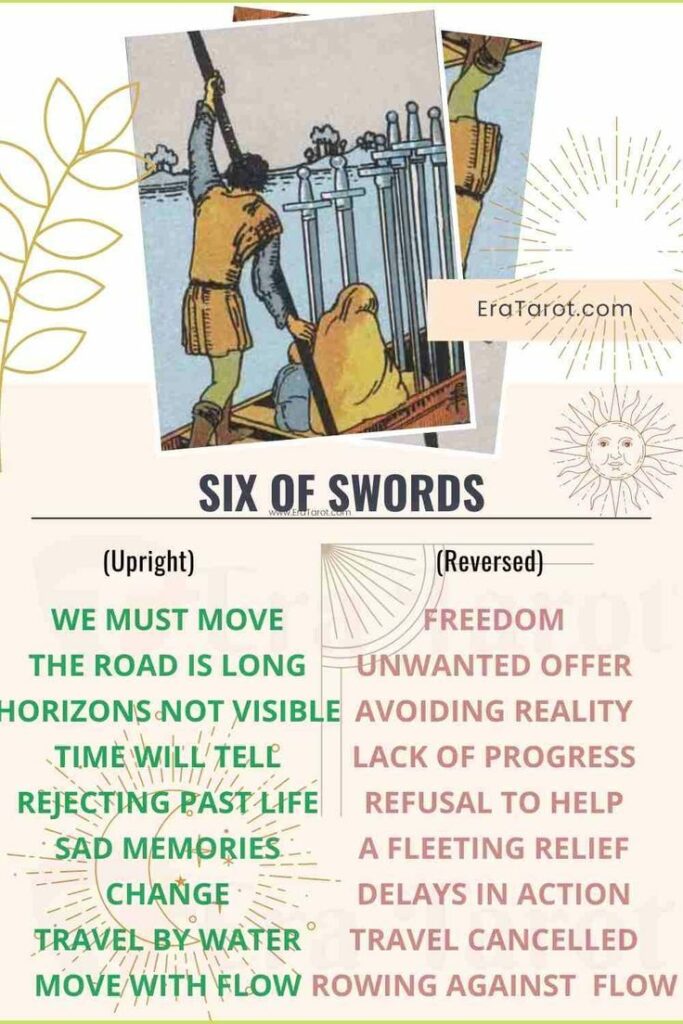
The Six of Swords, when drawn in a reversed position, presents a fascinating tableau of emotional and spiritual turbulence. From a Christian perspective, the intricate meanings attributed to this card invite deeper reflection on the narratives of movement and transition within the faith. As the ship sways in turbulent waters, the reversals of this card beckon us to ponder the turbulence we encounter in our own spiritual voyages.
To begin, it is essential to recognize that the Six of Swords symbolically represents a journey, often one that aims for healing and progress. When upright, it suggests movement away from conflict towards calmer waters. However, when reversed, it can convey a dissonance that resonates with the broader themes of struggle and resistance found in Christianity. This opposition may serve as a metaphor for stasis—a refusal to embark on the difficult journey towards spiritual redemption or an unwillingness to confront painful truths that, while unsettling, are necessary for growth.
One might view this reversal as reflective of the Biblical narrative of the Israelites wandering in the desert. Their disobedience led to prolonged suffering, echoing the essence of stagnation inherent in the reversed Six of Swords. Just as they were called to traverse the desert towards the Promised Land yet faced challenges that delayed their journey, so too does this card remind us that sometimes we resist the changes we so desperately need. The struggle between the desire for deliverance and the fear of the unknown serves as a poignant reminder of our own spiritual journeys.
On another note, the reversed Six of Swords may embody a retreat from reality—a flight into denial. In Christian teachings, this speaks volumes about the human condition. The struggles of sin, despair, and a reluctance to embrace God’s plan can lead individuals to stagnation. Forgiveness and growth stem from recognizing our shortcomings, yet the reversed position fosters an environment rich in avoidance. This reluctance may lead to isolation, akin to attempting to navigate through treacherous waters without the guiding hand of faith.
Moreover, the reversed card also intertwines with themes of lack of clarity and confusion. It serves as a vivid metaphor for lives crafted in uncertainty. Just as the disciples found themselves fearful in the midst of tempests while at sea, the card encompasses the essence of feeling lost or overwhelmed by life’s tribulations. The tumultuous waters represent not only external challenges but also internal strife, raising important questions about faith’s role in providing direction amidst chaos.
The impact of this card on relationships cannot be overlooked, particularly within the parameters of Christian teachings about community and connection. When reversed, the Six of Swords may shed light on the trials within interpersonal relationships, such as communication breakdowns and emotional distance. The Christian ethos emphasizes love and unity, yet this reversal may signify a disconnect—perhaps mirroring the struggles faced in reconciliation. As the faithful grapple with their own tumult, they may inadvertently create rifts rather than working towards healing and understanding.
An intriguing element of the reversed Six of Swords is how it aligns with personal responsibility. In Christianity, humility and recognition of one’s flaws pave the way to spiritual growth. The card challenges individuals to acknowledge the role they play in their stagnant state. It prompts a deeper inquiry into areas where avoidance, pride, or unforgiveness may be at play. Such introspection is essential—much like David facing his own sins, which led to redemption through honest confrontation with his failings.
From a broader perspective, the reversed Six of Swords can serve as a reminder of the lessons inherent in hardship. In Christianity, trials are often considered opportunities for refinement. The metaphor of the ship is particularly resonant; while it may be stuck in turbulent waters, it holds the potential for eventual passage to a safer shore. The struggle present in the reversal may symbolize an opportunity to fortify one’s faith, emerging resilient from the trials faced, much like the David’s undeterred spirit when confronting Goliath.
In light of this card, it is imperative to consider prayer, reflection, and community support as invaluable tools. In periods of adversity or uncertainty, the Christian community serves as a proverbial lifeboat amidst the waves. Leaning into the collective strength of faith allows individuals to steer through their adversities, aligning with Christian teachings that emphasize companionship in trials. Seeking counsel through prayer and engaging in congregational support can illuminate pathways that were previously shrouded in darkness.
Ultimately, the reversed Six of Swords encapsulates a complex examination of the human experience as viewed through a Christian lens. This card not only highlights the challenges of personal and communal journeys but also offers hope and encouragement to confront the turbulence. Just as storms are a natural part of life’s voyage, recognizing and addressing the turbulence within can lead to more profound understanding and eventual peace. Therefore, embracing the intricacies of this card within a Christian framework affirms that even in struggle, one can find the compass to steer towards the shores of spiritual fulfillment.
FAQ
What does the Six of Swords reversed mean?
The Six of Swords reversed signifies emotional turmoil, resistance to change, and the need for introspection regarding one’s spiritual journey.
How does the reversed Six of Swords relate to personal responsibility?
It challenges individuals to recognize their role in stagnation and encourages confronting one’s flaws for spiritual growth.
Leave a Reply