Short Answer
In this comprehensive guide, you’ll explore the deeper layers of the Six of Wands reversed—often interpreted as the same card in an upside-down position. Many tarot readers notice that this card’s reversed energy carries a distinct “attitude,” one that hints at unspoken frustrations, delayed recognition, or a defiant stance against external validation. Whether you’re a seasoned tarot enthusiast or a curious beginner, this article will unpack the psychological and symbolic nuances behind this card’s reversed meaning. You’ll learn how to recognize its presence in readings, understand its emotional undercurrents, and apply its wisdom to real-life situations. By the end, you’ll see why the Six of Wands reversed isn’t just a “negative” card—it’s a mirror reflecting inner resilience and the complexities of ambition.
The Six of Wands Reversed: A Card of Unfulfilled Victory
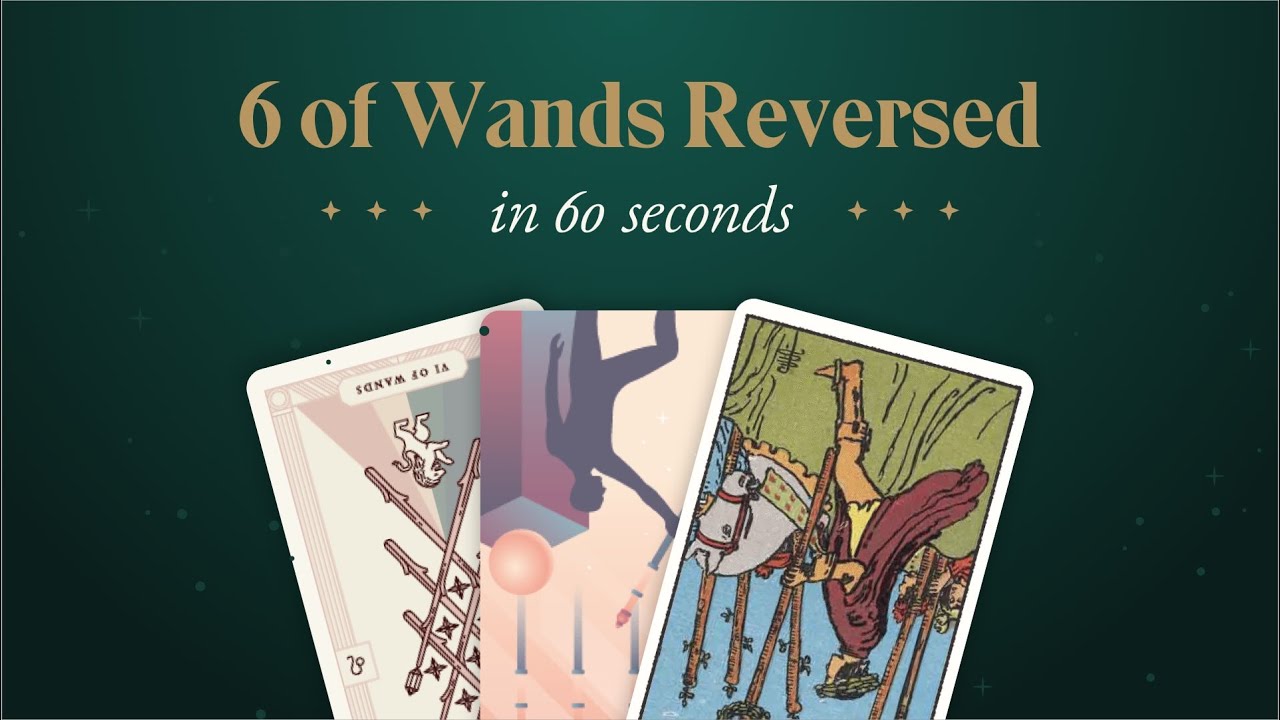
The Six of Wands in its upright position is a card of triumph, celebration, and public recognition. When reversed—or flipped upside down—this energy shifts dramatically. Instead of basking in the spotlight, the reversed Six of Wands suggests a sense of being overlooked, undervalued, or even sabotaged. The victory that once felt within reach now feels distant, like a mirage that dissipates the closer you get. This isn’t just about external failure; it’s about the internal struggle to reconcile ambition with reality.
Imagine a scenario where you’ve worked tirelessly on a project, only to have it dismissed or overshadowed by others. The reversed Six of Wands reflects that frustration—the sting of being the unsung hero. It’s not that you lack talent or effort; it’s that the recognition you crave hasn’t materialized in the way you expected. This card can also indicate a fear of failure creeping in, where even the thought of not being celebrated paralyzes your progress. The key here is to recognize that this card isn’t a verdict on your worth; it’s a call to reassess your approach to success.

Why the Reversed Six of Wands Feels Like It Has “Attitude”
A common observation among tarot readers is that the reversed Six of Wands carries a palpable “attitude.” This isn’t just about bad luck or misfortune; it’s about a defiant energy that refuses to play by the rules. The card’s reversed position amplifies its rebellious side, as if the universe is saying, “You wanted recognition? Prove you don’t need it.” This “attitude” can manifest as stubbornness, passive-aggressiveness, or even a refusal to engage with systems that feel rigged against you.
Consider the person who, after years of chasing a promotion, finally receives it—only to quit within months because the environment felt stifling. The reversed Six of Wands might be signaling that the victory wasn’t truly fulfilling because it didn’t align with their values. Alternatively, it could reflect someone who, after being overlooked, starts to act out—whether by undermining colleagues, withdrawing from social circles, or adopting a “I’ll show them” mentality. This card’s “attitude” is a defense mechanism, a way to protect oneself from the pain of not being seen.
Digging deeper, this “attitude” often stems from a misalignment between external validation and internal fulfillment. The reversed Six of Wands asks: Are you seeking approval from others because you genuinely want it, or because you’re afraid of what happens if you don’t get it? The card’s energy pushes you to confront these questions, revealing that the real issue isn’t the lack of recognition—it’s the dependency on it.
The Deeper Reasons Behind the Fascination with the Reversed Six of Wands
Why does the reversed Six of Wands captivate so many? Part of its allure lies in its relatability. In a world obsessed with success metrics—likes, promotions, awards—this card forces us to confront the uncomfortable truth: not all victories are celebrated, and not all efforts are rewarded. This resonates deeply in cultures that glorify winners while ignoring the labor of those who don’t fit the mold. The reversed Six of Wands becomes a symbol of the underdog’s struggle, the quiet hero who never gets the parade.
Another layer of fascination comes from its psychological depth. The card mirrors the human experience of imposter syndrome—the nagging doubt that you don’t deserve your achievements, even when evidence suggests otherwise. When the Six of Wands is reversed, it can amplify these feelings, making you question whether your hard work was ever truly seen. This isn’t just about others’ perceptions; it’s about your own internal narrative. The card challenges you to ask: What if the recognition I’m craving isn’t about others validating me, but about me validating myself?
Culturally, the reversed Six of Wands also taps into themes of rebellion and anti-establishment. In media, characters who embody this energy—think the misunderstood genius, the disillusioned artist, or the whistleblower—often become iconic because they refuse to conform. The card’s reversed position aligns with this archetype, suggesting that sometimes, the most powerful stance is to reject the very systems that were supposed to reward you. This adds a layer of intrigue: the reversed Six of Wands isn’t just a warning; it’s a rallying cry for those who feel sidelined.
How to Work with the Reversed Six of Wands in Readings
When the Six of Wands appears reversed in a reading, it’s an invitation to pause and reflect. Start by acknowledging the emotions it stirs—frustration, resentment, or even shame. These feelings are valid, but they shouldn’t define your path forward. Instead, use the card’s energy to identify where you might be seeking validation externally when you should be cultivating it internally. Ask yourself: What would success look like if no one else knew about it? This shift in perspective can be liberating.
If the card appears in a career context, it might signal a need to reassess your goals. Are you chasing a title or a paycheck because it aligns with your passions, or because you fear being left behind? The reversed Six of Wands encourages you to define success on your own terms. In relationships, it could indicate a dynamic where one person feels unappreciated. Use this as an opportunity to communicate openly about needs and expectations, rather than assuming others should “just know.”
For those feeling stuck in a cycle of seeking approval, the reversed Six of Wands offers a powerful exercise: celebrate small wins privately. Keep a journal of your achievements, no matter how minor, and revisit it when doubt creeps in. This practice builds self-trust, reducing reliance on external validation. Additionally, if the card’s “attitude” feels overwhelming, channel it into creative outlets—art, writing, or even advocacy work—where your voice can be heard without conforming to traditional measures of success.
Common Misconceptions About the Reversed Six of Wands
One of the biggest misconceptions about the reversed Six of Wands is that it’s purely a “bad” card. While it does highlight challenges, it’s not a prediction of doom. Instead, it’s a spotlight on areas where growth is needed. Another myth is that the card only applies to high-profile ambitions like careers or fame. In reality, it can appear in readings about personal projects, relationships, or even self-improvement journeys where recognition feels elusive.
Some also assume that the reversed Six of Wands means you’ve failed entirely. This isn’t the case. The card often appears when you’re on the cusp of a breakthrough, but external factors are creating friction. It’s less about failure and more about timing or alignment. For example, you might have the skills for a promotion, but the company’s culture isn’t ready for your ideas. The reversed Six of Wands pushes you to either adapt or seek environments where your contributions are valued.
A final misconception is that the card’s “attitude” is always negative. While it can reflect stubbornness or bitterness, it can also be a form of quiet strength. The reversed Six of Wands can empower you to walk away from situations that drain you, even if it means sacrificing short-term recognition for long-term fulfillment. This card’s energy isn’t about giving up; it’s about choosing where to direct your energy wisely.
Conclusion
The reversed Six of Wands is far more than a card of disappointment—it’s a multifaceted tool for self-awareness and growth. Its “attitude” isn’t just a surface-level frustration; it’s a signal to dig deeper into what truly motivates you. Whether it appears in a career reading, a relationship spread, or a personal reflection, this card invites you to redefine success on your own terms. It reminds you that recognition isn’t the only measure of worth, and that sometimes, the most powerful victories are the ones you experience internally.
Next time the reversed Six of Wands shows up in a reading, don’t shy away from its energy. Instead, lean into the questions it raises: Where am I seeking validation that I could give to myself? What would happen if I stopped waiting for the world to notice? By answering these, you transform the card’s challenges into catalysts for a more authentic, resilient path forward.
FAQ
What does the Six of Wands reversed mean?
The Six of Wands reversed signifies feelings of being overlooked or undervalued, highlighting internal struggles with ambition and the quest for recognition.
How can I work with the Six of Wands reversed in a reading?
Use the card’s energy to reflect on your need for external validation and redefine success on your own terms.
Leave a Reply