Short Answer
Welcome to this comprehensive guide on Slideshow Sneaky & Stalemate, where we explore the intricacies of chess stalemates and how they can be strategically used in gameplay. Whether you’re a beginner or an experienced player, understanding stalemates can significantly improve your chess strategy. In this guide, you’ll learn about the definition of a stalemate, its types, common scenarios where it occurs, and how to avoid or force it. We’ll also cover practical examples, visual aids, and tips to master this essential chess concept.
What Is a Stalemate in Chess?
A stalemate occurs in chess when a player has no legal moves available, but their king is not in check. Unlike a checkmate, where the king is under attack and cannot escape, a stalemate results in a draw. This situation often arises from tactical oversights or deliberate strategies to force a draw in a losing position. Recognizing stalemate opportunities can turn the tide in a game, especially in endgame scenarios where material advantage is slim.
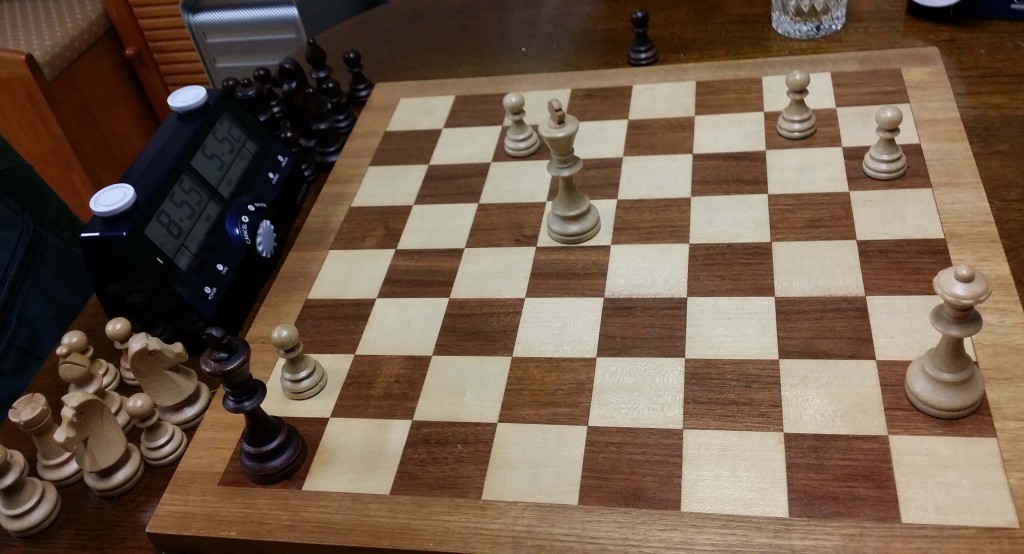
In the image below, you can see a classic stalemate scenario where the black king is not in check but has no legal moves:
Types of Stalemates
Stalemates can be categorized based on the position and the pieces involved. Understanding these types helps players identify potential stalemate traps or defensive opportunities:
- Basic Stalemate: Occurs when the player to move has no legal moves, and their king is not in check. This is the most common type and often results from poor piece coordination.
- Perpetual Stalemate: A rare scenario where a player repeatedly forces a stalemate to avoid losing. This can happen in endgames with limited material.
- Material-Driven Stalemate: Happens when a player with a material disadvantage deliberately sacrifices pieces to create a stalemate, forcing a draw.
- Tactical Stalemate: Arises from complex tactical maneuvers, such as zugzwang (where any move worsens the player’s position), leading to a forced stalemate.
Each type requires a different approach to either avoid or exploit, depending on whether you’re defending or attacking.
Common Stalemate Scenarios
Stalemates often occur in specific board positions, especially in endgames. Here are some frequent scenarios:
- King vs. King: The simplest stalemate, where the player to move cannot make a legal move without putting their king in check.
- King and Pawn vs. King: A common endgame where the defending player can force a stalemate by carefully positioning their king.
- Rook Endgames: Stalemates can occur when a player with a rook is forced into a corner with limited mobility.
- Bishop and Knight vs. King: Less common but possible, especially if the defending player’s king is confined to squares of a single color.
Recognizing these patterns allows players to either avoid falling into them or set traps for their opponents.
How to Avoid a Stalemate
Avoiding a stalemate is crucial, especially when you’re winning. Here are strategies to prevent accidentally forcing a draw:
- Always Check for Legal Moves: Before making a move, ensure your opponent has at least one legal move available. This is especially important in endgames.
- Use Zugzwang Wisely: While zugzwang can be a powerful tool, be cautious not to overuse it, as it may lead to a stalemate if not calculated properly.
- Maintain Piece Activity: Keep your pieces active and avoid trapping your own king or pieces in positions with no escape.
- Practice Endgame Scenarios: Familiarize yourself with common endgame positions where stalemates are likely to occur.
By staying vigilant and planning your moves carefully, you can avoid unnecessary draws and convert winning positions into victories.
How to Force a Stalemate
Forcing a stalemate can be a lifesaving tactic when you’re in a losing position. Here’s how to do it effectively:
- Sacrifice Material: Trade your pieces strategically to reduce your opponent’s options, leaving them with no legal moves.
- Restrict King Mobility: Use your pieces to limit your opponent’s king’s movement, forcing it into a corner or edge of the board.
- Create Zugzwang: Place your opponent in a position where any move they make will result in a stalemate.
- Use Pawn Promotions: In some cases, promoting a pawn to a queen or other piece can lead to a stalemate if not handled carefully.
The image below illustrates a scenario where a player forces a stalemate by restricting the opponent’s king:

Stalemate in Professional Chess
Stalemates are not just theoretical concepts; they appear in professional games, often as a result of brilliant defensive play or tactical oversights. Some notable examples include:
- World Championship Matches: Stalemates have decided critical games in world championship matches, showcasing their importance.
- Endgame Mastery: Grandmasters often use stalemates to secure half-points in otherwise lost positions.
- Tactical Brilliance: Some players are renowned for their ability to force stalemates in seemingly hopeless situations.
Studying these games can provide valuable insights into how stalemates are used in high-level play.
Practical Exercises to Master Stalemates
To truly understand stalemates, practice is essential. Here are some exercises to improve your skills:
- Puzzle Solving: Work on chess puzzles that focus on stalemate traps and defenses. Websites like Chess.com and Lichess offer dedicated puzzles for this purpose.
- Endgame Studies: Study classic endgame studies where stalemates play a key role. These studies often highlight creative ways to force or avoid stalemates.
- Analyze Games: Review games where stalemates occurred, paying close attention to the moves leading up to the draw. Identify key mistakes or brilliant tactics.
- Play Practice Games: Experiment with forcing stalemates in your own games, especially in blitz or bullet formats where time pressure can lead to oversights.
Conclusion
Mastering the concept of stalemates in chess can give you a significant edge, whether you’re looking to avoid a draw in a winning position or force one in a losing one. By understanding the different types of stalemates, recognizing common scenarios, and practicing strategic maneuvers, you can incorporate stalemates into your chess repertoire effectively. Remember, a stalemate is not just a defensive tool but also a tactical weapon that can turn the tide of a game. Keep practicing, analyze your games, and soon you’ll be able to spot and utilize stalemates with confidence.
FAQ
What is a stalemate in chess?
A stalemate occurs when a player to move has no legal moves and their king is not in check, resulting in a draw.
How can I avoid unintentionally causing a stalemate?
Always check that your opponent has legal moves before completing your move, maintain active pieces, and be cautious with zugzwang and endgame positioning.
Can stalemates be used as a strategic tool?
Yes, players can force stalemates to secure draws in losing positions or avoid losing, especially in endgames.
What are common types of stalemates?
Types include basic stalemates, perpetual stalemates, material-driven stalemates, and tactical stalemates such as zugzwang.
Are stalemates common in professional chess games?
Yes, stalemates appear in professional play and have decided critical games, often used by grandmasters for defensive tactics.
Leave a Reply