Short Answer
In this comprehensive guide, you’ll uncover the hidden layers of the Smith-Waite Tarot Deck, particularly focusing on the Bonus Cards that extend beyond the standard 78-card structure. Whether you’re a seasoned tarot reader or a curious beginner, understanding these additional cards can deepen your interpretation skills and reveal nuances often overlooked in traditional readings. You’ll learn about the origins of the Bonus Cards, their purpose, and how they can enhance your tarot practice. By the end, you’ll have a clearer grasp of how these cards function within the broader Smith-Waite tradition and why they matter in modern interpretations.
The History and Evolution of Smith-Waite Tarot
The Smith-Waite Tarot Deck, originally created by A. E. Waite and illustrated by Pamela Colman Smith in 1909, is one of the most iconic and widely used tarot decks in the world. Waite, a member of the Hermetic Order of the Golden Dawn, sought to create a deck that balanced esoteric symbolism with accessibility. The original deck consisted of 78 cards divided into the Major Arcana (22 cards) and the Minor Arcana (56 cards), following the traditional structure established by the Marseilles Tarot.
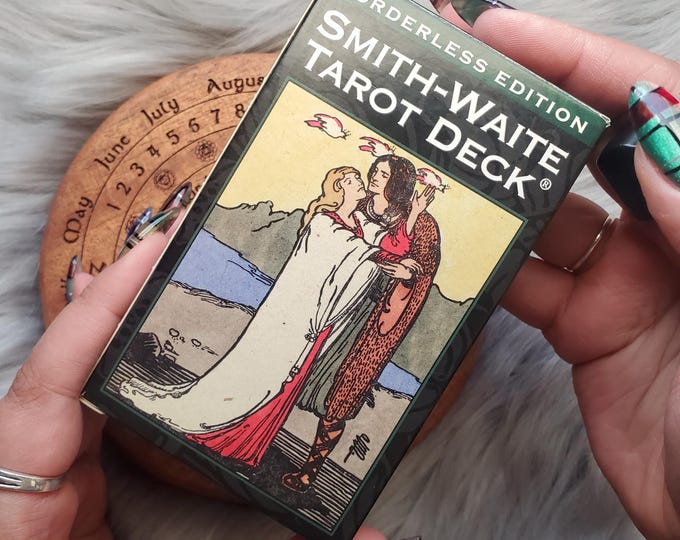
Over time, variations of the Smith-Waite deck emerged, including the Borderless Edition, which removes the decorative borders around the cards to emphasize the artwork and symbolism. While the standard deck remains the foundation, some editions and interpretations introduce Bonus Cards—additional cards that expand the deck’s functionality or provide deeper insights. These Bonus Cards are not part of the traditional 78-card structure but are often included in modern decks or supplementary materials to offer more nuanced readings.
What Are Bonus Cards in the Smith-Waite Tradition?
Bonus Cards in the Smith-Waite Tarot context refer to additional cards that go beyond the standard Major and Minor Arcana. These cards can take various forms, including:
- Extra Court Cards: Additional Page, Knight, Queen, or King cards for each suit, providing more personalized interpretations.
- Elemental Cards: Cards representing the four classical elements (Fire, Water, Air, Earth) or additional elemental combinations.
- Astrological Cards: Cards tied to zodiac signs or planetary influences, offering astrological insights within the tarot framework.
- Guide Cards: Instructional or explanatory cards that provide context for interpreting the deck or specific spreads.
- Blank or Wild Cards: Cards that can be customized or used as jokers in readings, allowing for personalization.
These Bonus Cards are not universally standardized but are often included in specialized editions or created by individual artists and readers to enhance the deck’s versatility. Their inclusion reflects the evolving nature of tarot practice, where personalization and adaptability are increasingly valued.
How Bonus Cards Enhance Tarot Readings
Incorporating Bonus Cards into your tarot practice can significantly enrich your readings by providing additional layers of meaning and flexibility. Here’s how they can be beneficial:
- Deeper Personalization: Bonus Cards allow you to tailor the deck to your specific needs, whether you’re focusing on a particular aspect of life, such as love, career, or spirituality. For example, an extra Court Card could represent a person in your life who doesn’t fit neatly into the traditional roles of the standard Court Cards.
- Expanded Symbolism: Elemental or astrological Bonus Cards can deepen your understanding of the cards’ connections to universal energies. A Fire card, for instance, might highlight passion or transformation, while an Air card could emphasize intellect or communication.
- Creative Interpretations: Blank or Wild Cards encourage creativity, allowing you to assign personal meanings or use them as placeholders for cards you feel are missing in a spread. This flexibility is especially useful for intuitive readers who prefer to let the cards guide them rather than adhere strictly to traditional interpretations.
- Guidance for Beginners: Guide Cards can serve as a helpful reference for those new to tarot, offering explanations of symbolism, card relationships, or suggested spreads. This makes the deck more accessible and less intimidating for beginners.
By integrating Bonus Cards into your readings, you can create a more dynamic and responsive tarot practice that evolves with your needs and insights.
Types of Bonus Cards and Their Uses
Bonus Cards come in various forms, each serving a unique purpose in tarot readings. Below are some of the most common types and how they can be utilized:
Extra Court Cards
In the standard Smith-Waite deck, the Court Cards (Page, Knight, Queen, King) represent people, personalities, or energies associated with the four suits (Wands, Cups, Swords, Pentacles). However, some editions include additional Court Cards to represent more nuanced or specific energies. For example:
- Extra Knights: A Knight of Wands could represent a passionate, adventurous person, while an additional Knight of Cups might symbolize a dreamer or an emotional seeker.
- Extra Pages: An extra Page of Swords could indicate a young person with a sharp mind or a message that requires careful consideration.
These extra Court Cards can be particularly useful in readings focused on relationships, career dynamics, or personal growth, where the standard four Court Cards may feel limiting.
Elemental Cards
Elemental Bonus Cards tie the tarot to the four classical elements—Fire, Water, Air, and Earth—which correspond to the suits of Wands, Cups, Swords, and Pentacles, respectively. Additional elemental cards might include:
- Mastery Cards: Representing mastery or balance of an element, such as a card for “Mastery of Fire” or “Mastery of Water.”
- Elemental Combinations: Cards that combine two elements, like Fire and Air (representing creativity and intellect) or Water and Earth (representing emotion and stability).
These cards can help you explore the elemental influences in a reading, providing a deeper understanding of the energies at play. For example, a spread focusing on a career change might benefit from an elemental analysis to determine whether the transition aligns with your fiery passion or your earthy practicality.
Astrological Cards
Astrological Bonus Cards connect the tarot to the zodiac, planets, or lunar phases, offering a bridge between tarot and astrology. Common examples include:
- Zodiac Cards: Each card corresponds to a zodiac sign, such as The Sun for Leo or The Moon for Pisces.
- Planetary Cards: Cards tied to planets like Mars (associated with action and conflict) or Venus (associated with love and beauty).
- Lunar Phases: Cards representing the New Moon, Full Moon, or other lunar phases to align readings with the moon’s cycles.
These cards can be invaluable for readers who incorporate astrology into their tarot practice, allowing for more precise timing and thematic interpretations. For instance, a reading about relationships might benefit from a Venus card to highlight themes of love and harmony.
Guide and Instructional Cards
Guide Cards are designed to provide context, explanations, or instructions for interpreting the deck. They might include:
- Symbolism Guides: Cards that explain the meaning of colors, numbers, or imagery in the deck.
- Spread Suggestions: Cards that suggest specific spreads or layouts for different types of readings.
- Card Relationships: Cards that highlight connections between Major and Minor Arcana cards, such as how The Fool relates to the Aces.
These cards are especially helpful for beginners who are still learning the nuances of the Smith-Waite deck. They can also serve as a refresher for experienced readers looking to deepen their understanding of the deck’s symbolism.
How to Incorporate Bonus Cards into Your Practice
Integrating Bonus Cards into your tarot practice requires intention and adaptability. Here are some practical steps to get started:
- Identify Your Needs: Determine what gaps or areas of focus you want to address with Bonus Cards. Are you looking to expand your Court Card interpretations, or do you want to incorporate elemental or astrological insights?
- Choose the Right Deck: If you’re using a specialized edition, ensure it includes the type of Bonus Cards you’re interested in. Alternatively, you can create your own Bonus Cards by designing them or printing them from online resources.
- Experiment with Spreads: Try incorporating Bonus Cards into existing spreads or create new spreads tailored to their meanings. For example, a three-card spread might include a Bonus Card in the middle position to represent the underlying energy or challenge.
- Keep a Reference Guide: If your Bonus Cards include Guide Cards, use them as a reference to deepen your understanding. Alternatively, create your own guidebook to document the meanings and interpretations of your Bonus Cards.
- Trust Your Intuition: Bonus Cards are meant to enhance your practice, not restrict it. Allow your intuition to guide how you interpret them, and don’t be afraid to adapt their meanings to fit your unique perspective.
Common Misconceptions About Bonus Cards
Despite their potential benefits, Bonus Cards are often misunderstood or overlooked in tarot practice. Here are some common misconceptions and why they’re not entirely accurate:
- Bonus Cards Are Non-Standard: While Bonus Cards aren’t part of the traditional 78-card structure, they are a legitimate and valuable addition to modern tarot practice. Many readers and artists create their own Bonus Cards to suit their needs.
- Bonus Cards Complicate Readings: Some readers worry that adding more cards will make readings overly complex. However, Bonus Cards can simplify readings by providing clearer insights or filling gaps in traditional interpretations.
- Bonus Cards Are Only for Advanced Readers: While experienced readers may find more nuanced uses for Bonus Cards, beginners can also benefit from their clarity and guidance. Guide Cards, for example, are particularly helpful for those new to tarot.
- Bonus Cards Lack Tradition: Although Bonus Cards aren’t part of the original Smith-Waite deck, their inclusion reflects the evolving nature of tarot. Many modern decks and interpretations embrace innovation, making Bonus Cards a natural extension of the tradition.
Conclusion
The Smith-Waite Tarot Deck is a timeless tool for divination and self-reflection, but its potential extends far beyond the standard 78 cards. Bonus Cards offer a way to personalize your practice, deepen your interpretations, and explore new layers of symbolism. Whether you’re drawn to extra Court Cards, elemental insights, astrological connections, or instructional guides, these additional cards can transform your tarot experience from routine to revelatory.
As you continue your tarot journey, consider experimenting with Bonus Cards to see how they resonate with your unique style and needs. The beauty of tarot lies in its adaptability, and Bonus Cards are a testament to that flexibility. By embracing these hidden gems, you’ll unlock new dimensions of meaning and unlock the full potential of the Smith-Waite tradition.
FAQ
What are Bonus Cards in the Smith-Waite Tarot Deck?
Bonus Cards are additional cards that extend beyond the standard 78-card structure, offering deeper insights and personalization in tarot readings.
How do Bonus Cards enhance tarot readings?
They provide deeper personalization, expanded symbolism, creative interpretations, and guidance for beginners.
Leave a Reply