Short Answer
Dive into the enigmatic worlds of the Sorceress of Sorrows and the Sola Busca Tarot, two captivating subjects that blend art, history, and mysticism. This guide explores their origins, symbolic depth, and the unique allure that has fascinated artists, historians, and occultists alike. From the haunting beauty of the Sorceress to the esoteric narratives of the Sola Busca, uncover the stories and meanings that make these works timeless.
The Sorceress of Sorrows: A Haunting Muse of Dark Fantasy
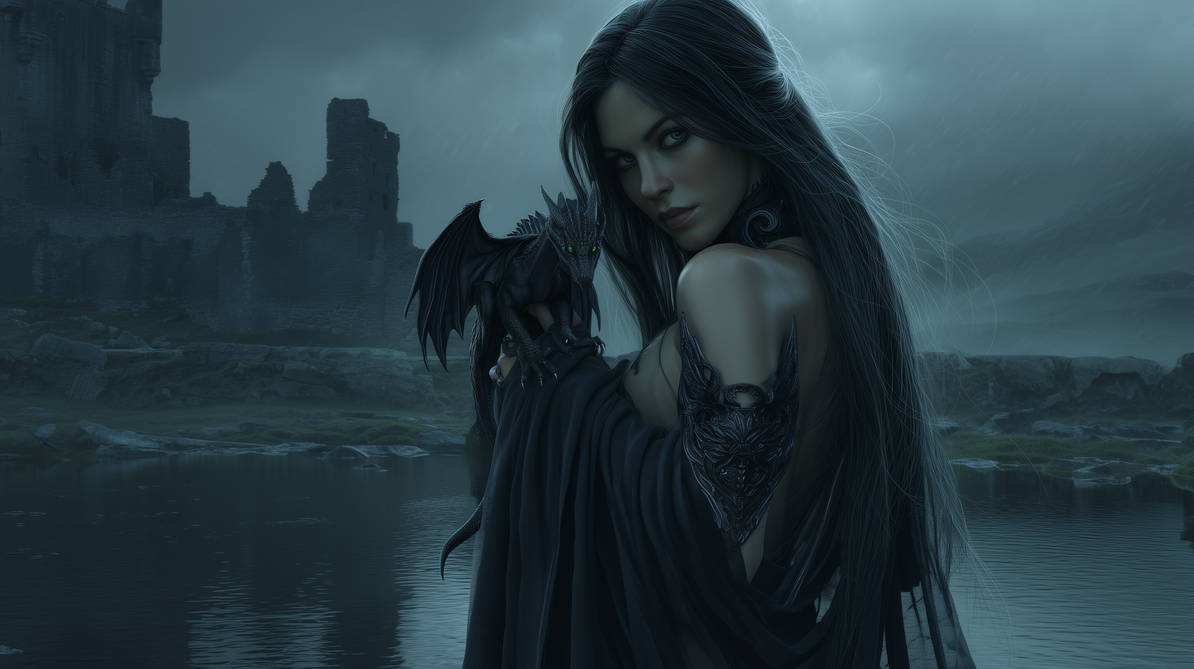
The Sorceress of Sorrows emerges as a striking figure in dark fantasy art, embodying themes of melancholy, power, and the arcane. Often depicted in gothic or surreal settings, she represents the duality of creation and destruction, wisdom and despair. Her presence in art evokes a sense of mystery, inviting viewers to ponder the deeper layers of her character—whether she is a guardian of forbidden knowledge or a harbinger of doom.

Artists like TheDustmen have reimagined her in modern digital art, blending traditional gothic aesthetics with contemporary techniques. The Sorceress is not merely a character but a metaphor for the human psyche, reflecting our fears, desires, and the eternal struggle between light and shadow. Her allure lies in her ambiguity; she is neither wholly villainous nor purely benevolent, making her a compelling subject for storytelling and artistic expression.
The Sola Busca Tarot: A Renaissance Enigma Wrapped in Esoteric Symbols
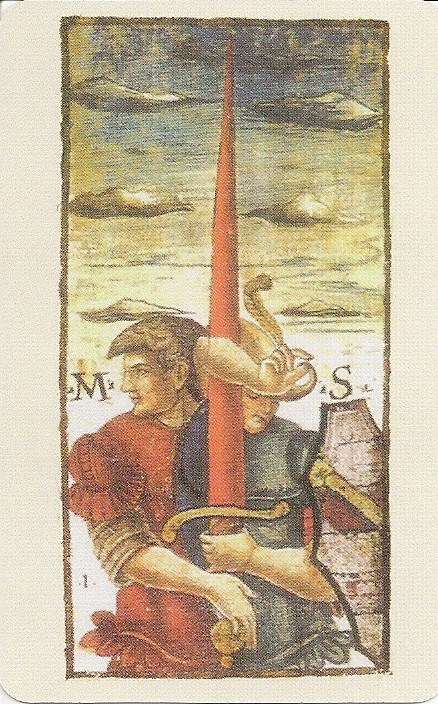
The Sola Busca Tarot is one of the oldest surviving tarot decks, dating back to the late 15th century. Unlike modern tarot decks, the Sola Busca is steeped in Renaissance symbolism, blending alchemical, astrological, and mythological references. Each card tells a story, often drawing from classical literature, medieval allegories, and occult traditions. The deck’s intricate illustrations are not just decorative but serve as a visual language for divination and philosophical reflection.
One of the most intriguing aspects of the Sola Busca is its departure from the conventional tarot structure. The cards feature Latin inscriptions and depict scenes that range from historical events to allegorical tales. For instance, the Five of Cups might illustrate a figure mourning lost love, while the Tower card could symbolize sudden upheaval or divine intervention. This deck challenges the viewer to interpret its imagery beyond traditional tarot meanings, making it a treasure trove for scholars and mystics alike.
Symbolism and Metaphor: The Language of the Arcane
Both the Sorceress of Sorrows and the Sola Busca Tarot thrive on symbolism, using visual and narrative elements to convey deeper truths. The Sorceress, for example, often holds a mirror or a staff, symbols of introspection and authority. Her melancholic gaze can be seen as a reflection of the human condition—caught between the pursuit of knowledge and the weight of existential dread. Similarly, the Sola Busca’s cards are rife with allegory; the Hermit might represent solitude and wisdom, while the Chariot could symbolize the triumph of will over chaos.
These symbols are not static; they evolve with the interpreter. A modern viewer might see the Sorceress as a feminist icon, reclaiming power from patriarchal narratives, while a Renaissance scholar might interpret the Sola Busca’s cards through the lens of medieval theology. This adaptability ensures that both the Sorceress and the Sola Busca remain relevant across centuries, speaking to universal themes of power, fate, and the human experience.
The Artistic and Historical Appeal: Why These Works Endure
The enduring appeal of the Sorceress of Sorrows and the Sola Busca Tarot lies in their ability to transcend their original contexts. The Sorceress, as a modern artistic creation, resonates with contemporary audiences drawn to dark fantasy and gothic aesthetics. Her character serves as a canvas for exploring complex emotions and societal issues, from mental health to the struggle for autonomy. Meanwhile, the Sola Busca Tarot offers a window into the Renaissance mind, revealing how art and divination were intertwined in an era of intellectual curiosity and spiritual exploration.
For artists, these works provide endless inspiration. The Sorceress’s dramatic presence and the Sola Busca’s rich iconography offer fertile ground for reinterpretation, whether in literature, visual art, or even music. Historians and occultists, on the other hand, find in them a bridge between the past and present, allowing them to trace the evolution of symbolic thought and its impact on modern esotericism.
Conclusion
The Sorceress of Sorrows and the Sola Busca Tarot are more than just artistic or historical artifacts—they are living metaphors that continue to captivate and challenge us. The Sorceress embodies the raw, unfiltered emotions that define our humanity, while the Sola Busca Tarot serves as a testament to the enduring quest for meaning through symbolism. Together, they remind us that art and mysticism are not relics of the past but dynamic forces that shape our understanding of the world. Whether you are drawn to the haunting allure of the Sorceress or the intricate narratives of the Sola Busca, these works invite you to explore the depths of your own imagination and intuition.
FAQ
What is the Sorceress of Sorrows?
The Sorceress of Sorrows is a figure in dark fantasy art representing themes of melancholy, power, and the arcane.
What is the Sola Busca Tarot?
The Sola Busca Tarot is one of the oldest surviving tarot decks, known for its rich Renaissance symbolism and unique card illustrations.
How do the Sorceress and Sola Busca Tarot connect?
Both embody complex themes of symbolism and narrative, inviting deep interpretation and reflection.
Leave a Reply