Short Answer
Welcome to your comprehensive guide to Sword cards in tarot! Whether you’re a beginner seeking foundational knowledge or an experienced reader looking to deepen your understanding, this guide covers everything you need to know about the Sword suit. You’ll explore the symbolism behind each card, their upright and reversed meanings, and how they interact with other cards in a spread. By the end, you’ll be able to interpret Sword cards with confidence and clarity in your tarot readings.
The Significance of the Sword Suit in Tarot
The Sword suit is one of the four suits in the Minor Arcana of tarot, associated with the element of air. This connection to air symbolizes intellect, communication, thoughts, and ideas. Swords represent the mental and communicative aspects of life, often reflecting challenges, conflicts, or decisions that require careful consideration. Unlike the emotional depth of Cups or the material focus of Pentacles, Swords delve into the realm of the mind, making them powerful tools for understanding thought processes, beliefs, and the power of words.
In a tarot reading, the appearance of multiple Sword cards often indicates a period of mental strain, decision-making, or intellectual growth. They can highlight the need for clear thinking, honest communication, or the resolution of internal or external conflicts. Understanding the Sword suit helps you navigate situations where logic, truth, and perspective play crucial roles.
:max_bytes(150000):strip_icc()/SwordsKg-5a56a329b39d030037963b4a.jpg)
Understanding the Structure of Sword Cards
The Sword suit consists of 14 cards: Ace through 10, plus the four court cards—Page, Knight, Queen, and King of Swords. Each card carries its own unique energy and message, but they all share the core themes of intellect, conflict, and clarity. The numbered cards (Ace to 10) represent stages of mental or emotional development, while the court cards embody personality traits or people who embody the qualities of the suit.
For example, the Ace of Swords signifies a breakthrough in thinking or a moment of mental clarity, while the Ten of Swords often represents a painful ending or betrayal. The Queen of Swords embodies independence, sharp intellect, and emotional detachment, while the Knight of Swords can indicate impulsive action driven by ideas. Recognizing these distinctions allows you to interpret the cards with greater precision in your readings.
Detailed Breakdown of Each Sword Card
Ace of Swords
The Ace of Swords is a card of new ideas, mental clarity, and breakthroughs. It represents the moment when a thought or concept becomes clear, often after a period of confusion or uncertainty. This card encourages you to trust your intellect and embrace new perspectives. It can also symbolize the power of truth and the importance of speaking your mind with honesty and conviction.
Two of Swords
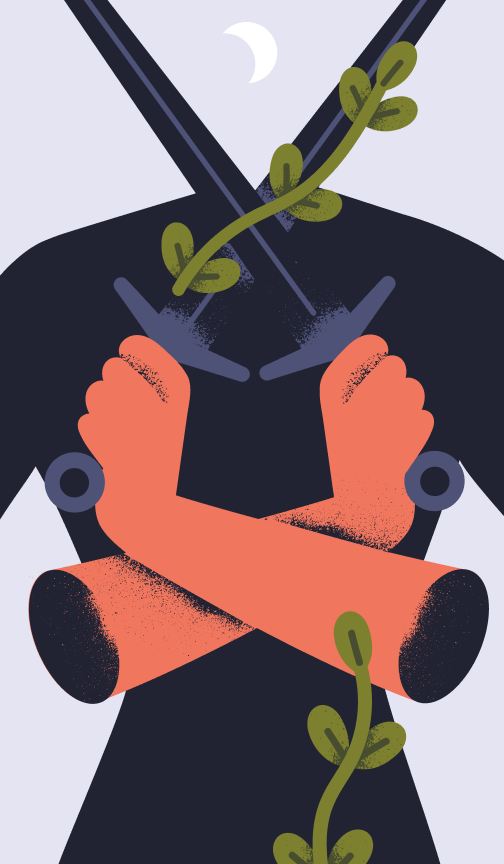
The Two of Swords depicts a figure blindfolded, holding two crossed swords. This card represents indecision, stalemate, or the need to pause and reflect before making a choice. It often appears when you’re torn between two options or when you’re avoiding a difficult decision out of fear or uncertainty. The blindfold suggests that you may be ignoring an obvious truth or refusing to see a situation clearly. This card encourages you to remove the blindfold, weigh your options carefully, and trust your intuition.
Three of Swords
The Three of Swords is often associated with heartbreak, betrayal, or emotional pain. It depicts a heart pierced by three swords, symbolizing the sting of loss, disappointment, or grief. While this card can be challenging, it also offers an opportunity for healing and growth. It reminds you that pain is a natural part of life and that acknowledging your emotions is the first step toward recovery. In a reading, this card may indicate a need to release old wounds and open your heart to new possibilities.
Four of Swords
The Four of Swords represents rest, recovery, and contemplation. It shows a figure lying on a tomb-like structure, suggesting a need for stillness and reflection. This card often appears after a period of stress or conflict, urging you to take a break and recharge. It emphasizes the importance of self-care, meditation, and mental relaxation. By giving yourself the space to heal, you can return to your challenges with renewed clarity and strength.
Five of Swords
The Five of Swords depicts a figure holding three swords, with two others lying on the ground, suggesting a sense of victory at a cost. This card often represents conflict, competition, or winning at someone else’s expense. It can indicate bullying, manipulation, or a situation where you feel you’ve had to compromise your values to come out on top. The Five of Swords serves as a reminder to consider the long-term consequences of your actions and to prioritize integrity over short-term gains.
Six of Swords
The Six of Swords shows a boat carrying a group of people crossing a body of water, symbolizing transition and moving on. This card represents leaving behind a difficult situation or emotional baggage to find peace and stability. It often appears when you’re ready to move forward after a period of turmoil, whether it’s a relationship, a job, or a personal struggle. The Six of Swords encourages you to trust the journey and embrace the new chapter ahead.
Seven of Swords
The Seven of Swords depicts a figure sneaking away with five swords, leaving two behind. This card often represents deception, trickery, or a need to act independently. It can indicate a situation where someone is being dishonest or where you feel the need to take matters into your own hands. While this card can suggest cleverness or resourcefulness, it also serves as a warning to consider the ethical implications of your actions and to avoid cutting corners at the expense of others.
Eight of Swords
The Eight of Swords shows a figure blindfolded and surrounded by eight swords, creating a sense of confinement or limitation. This card often represents feeling trapped by your own thoughts, fears, or external circumstances. It can indicate self-imposed restrictions or a situation where you feel powerless. The Eight of Swords encourages you to recognize that the barriers you perceive may not be as insurmountable as they seem. By shifting your perspective, you can find a way out of the mental prison you’ve created.
Nine of Swords
The Nine of Swords depicts a figure sitting up in bed, looking distressed, with nine swords hanging on the wall behind them. This card represents anxiety, worry, and sleepless nights. It often appears when you’re overthinking a situation or imagining the worst-case scenario. The Nine of Swords serves as a reminder to address your fears directly and to seek support if needed. It also highlights the importance of distinguishing between real threats and imagined ones.
Ten of Swords
The Ten of Swords shows a figure lying on the ground with ten swords in their back, symbolizing a painful ending or betrayal. This card often represents hitting rock bottom or experiencing a significant loss. While it can be a challenging card to receive, it also signifies the end of a difficult cycle and the potential for renewal. The Ten of Swords reminds you that even in the darkest moments, there is always hope for a fresh start.
Court Cards of Swords
The court cards of Swords—Page, Knight, Queen, and King—represent different aspects of intellect, communication, and personality. The Page of Swords is curious, quick-witted, and eager to learn, often embodying a youthful energy. The Knight of Swords is bold, impulsive, and driven by ideas, sometimes to the point of recklessness. The Queen of Swords is independent, analytical, and emotionally detached, valuing truth and fairness above all. The King of Swords is a master of logic and strategy, embodying authority, clarity, and precision in thought.
How to Interpret Sword Cards in a Reading
Interpreting Sword cards in a tarot reading requires attention to context, surrounding cards, and the specific question or situation at hand. Here are some key tips for working with Sword cards:
- Context Matters: Consider the position of the Sword card in the spread. For example, a Sword card in the past position may indicate a previous conflict or decision, while a Sword card in the future position could suggest upcoming challenges or intellectual growth.
- Combine with Other Cards: Look at how the Sword card interacts with other cards in the spread. For instance, a Sword card alongside a Cups card may highlight the tension between emotions and logic, while a Sword card with a Pentacles card could indicate a need to balance intellect with practical concerns.
- Upright vs. Reversed: Pay attention to whether the Sword card is upright or reversed. Upright Sword cards often represent clarity, truth, and intellectual growth, while reversed Sword cards may indicate confusion, deception, or unresolved conflicts.
- Focus on the Message: Sword cards are often about the mind, so consider what the card is trying to communicate about your thoughts, beliefs, or communication style. Are you overthinking? Avoiding a difficult truth? Or perhaps you need to speak your mind more clearly?
Common Themes and Life Situations Involving Swords
Sword cards frequently appear in readings related to communication, decision-making, and mental challenges. Here are some common themes and life situations where Sword cards might show up:
- Conflict and Resolution: Swords often highlight conflicts, whether internal (self-doubt, anxiety) or external (arguments, misunderstandings). They encourage you to address these issues with honesty and clarity.
- Decision-Making: Many Sword cards, such as the Two of Swords or Knight of Swords, revolve around choices and the mental processes behind them. They remind you to weigh your options carefully and trust your intuition.
- Communication: Swords are closely tied to language, writing, and verbal expression. Cards like the Three of Swords or Queen of Swords may indicate the need for honest communication or the power of words to heal or harm.
- Intellectual Growth: Swords represent the pursuit of knowledge, learning, and mental development. Cards like the Ace of Swords or Six of Swords suggest opportunities for growth and new beginnings.
- Emotional Challenges: While Swords are associated with the mind, they often reflect emotional struggles, such as anxiety, heartbreak, or feeling trapped by your thoughts. Cards like the Nine of Swords or Eight of Swords highlight the importance of addressing these challenges with self-compassion.
Conclusion
The Sword suit in tarot offers a deep and nuanced exploration of the human mind, from the clarity of the Ace to the heartbreak of the Three, and the intellectual mastery of the King. By understanding the symbolism and meanings of each Sword card, you gain valuable insights into your thoughts, decisions, and communication styles. Whether you’re navigating a difficult choice, healing from emotional pain, or seeking mental clarity, the Sword cards provide guidance and perspective.
Remember that Sword cards are not just about struggle—they also represent the power of intellect, truth, and transformation. Embrace the lessons they offer, and use them as tools to navigate life’s challenges with wisdom and confidence. As you continue your tarot journey, let the Sword suit be your guide to deeper self-awareness and clearer thinking.
FAQ
What do Sword cards represent in tarot?
Sword cards represent intellect, communication, and conflicts, highlighting mental challenges and decision-making.
How many cards are there in the Sword suit?
There are 14 cards in the Sword suit, including the Ace through 10 and four court cards.
Leave a Reply