Short Answer
Embark on a journey into the enigmatic world of Tarot with this comprehensive guide to The Fool card—often hailed as the most intriguing and paradoxical archetype in the deck. You’ll uncover the hidden depths of this “Void” card, exploring its symbolic richness, psychological resonance, and timeless wisdom. From its role as a cosmic jester to its embodiment of raw potential, The Fool challenges conventional perceptions of beginnings and invites you to embrace the unknown. Whether you’re a seasoned tarot reader or a curious newcomer, this exploration will illuminate why The Fool remains a cornerstone of divination and personal growth.
The Fool as the Void: A Paradox of Potential
The Fool is often described as the “Void” card—a blank slate suspended between nothingness and infinite possibility. Unlike other Major Arcana cards that carry clear narratives, The Fool embodies the absence of definition, a state of pure potential where anything can emerge. This void is not emptiness in a negative sense but a fertile ground for creation, akin to the darkness of a womb before birth or the silent pause between musical notes. In tarot symbolism, The Fool’s void represents the unmanifested—the space where dreams, ideas, and destinies take shape before they materialize into reality.

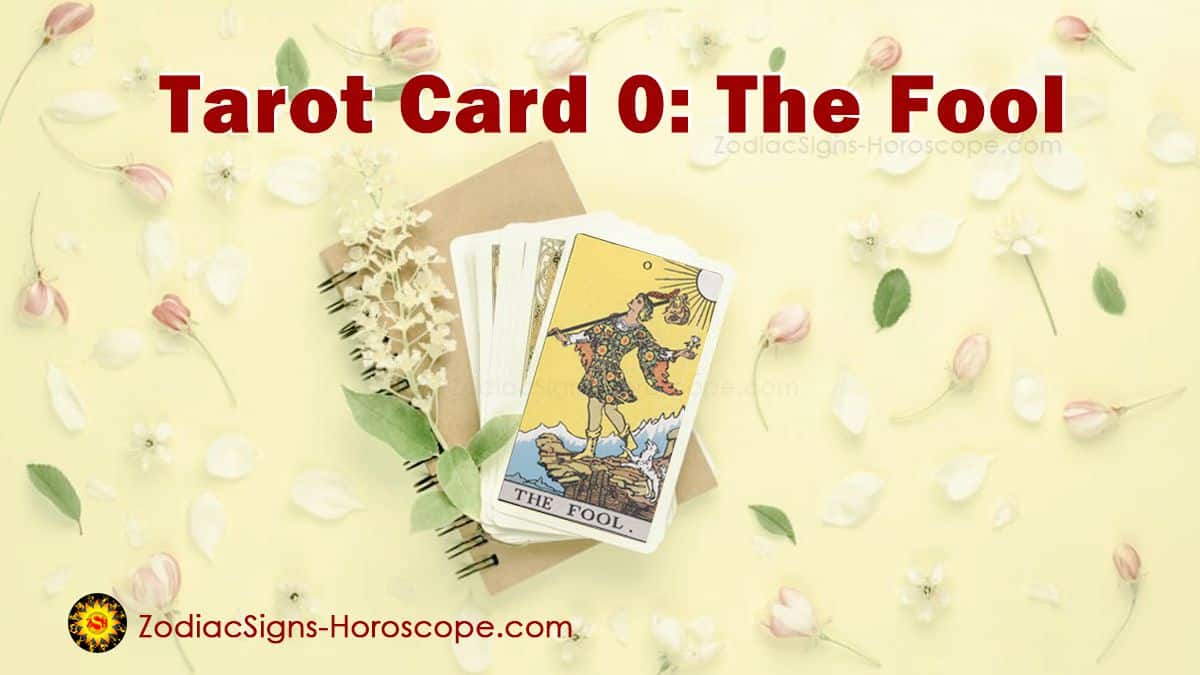
Visually, The Fool is often depicted as a carefree traveler on the edge of a cliff, one foot suspended in mid-air, a small bundle slung over a shoulder. The cliff’s edge is the threshold between the known and the unknown, while the bundle symbolizes the wisdom and experiences we carry forward. The void here is the unknown future, the uncharted territory that beckons with both danger and promise. This card teaches that true beginnings require stepping into the abyss without a safety net—a lesson that resonates deeply in both spiritual and practical contexts.
The Fool’s Symbolism: A Language of Metaphor
The Fool’s imagery is a tapestry of metaphors, each layer revealing a different facet of its meaning. The white rose in The Fool’s hand is a classic symbol of purity, innocence, and the delicate balance between fragility and strength. It suggests that new beginnings are tender yet resilient, requiring both care and boldness. The small dog nipping at The Fool’s heels represents instinct, intuition, and the inner voice that guides us—often overlooked in the noise of modern life. The dog’s presence reminds us that wisdom isn’t always found in grand gestures but in the quiet nudges of our subconscious.
Another striking element is The Fool’s attire: a jester’s garb adorned with bells and patches. This outfit is a paradox—it signifies both foolishness and wisdom, frivolity and depth. The bells chime with the unpredictability of life, while the patches hint at the patchwork of experiences that shape our journey. The Fool’s hat, often pointed like a candle flame, represents the spark of divine inspiration, the “aha” moment that ignites a new path. Together, these symbols weave a narrative of contradictions harmonized: innocence and experience, chaos and order, risk and reward.
The Fool’s Psychological Depth: Embracing the Unknown
Beyond its mystical allure, The Fool holds profound psychological significance. In Jungian terms, it embodies the shadow self—the uncharted regions of the psyche where fears, desires, and untapped potential reside. The Fool’s void is the space where the ego dissolves, allowing the subconscious to rise to the surface. This card often appears in readings when a person is on the cusp of a major life change, urging them to trust their instincts and leap into the unknown. Psychologically, The Fool represents the hero’s journey, where the individual must confront their deepest insecurities to emerge transformed.
In modern psychology, The Fool aligns with the concept of beginner’s mind—a Zen philosophy that emphasizes approaching life with openness and curiosity, free from preconceived notions. The Fool’s void is the mind before it’s cluttered with judgments, the moment before a decision is made. This card encourages us to shed our rigid beliefs and embrace vulnerability, for it is in the unknown that true growth occurs. It’s no coincidence that The Fool often surfaces during periods of transition, such as career changes, relationships, or personal reinvention, serving as a reminder that courage is the first step toward wisdom.
The Fool in Divination: A Card of Infinite Interpretations
In tarot readings, The Fool is a wildcard—its meaning shifts depending on its position in a spread and the surrounding cards. When drawn upright, it signals new beginnings, spontaneity, and a leap of faith. It may indicate a fresh start in love, a bold career move, or a spiritual awakening. The Fool’s void here is the blank page of a new chapter, where the reader is encouraged to write their story without fear. When reversed, The Fool can warn against recklessness, naivety, or a refusal to learn from past mistakes. The void in this context becomes a trap of stagnation, where potential is squandered due to hesitation or poor judgment.
The Fool’s versatility extends to its interactions with other cards. Paired with The Magician, it suggests harnessing raw potential into actionable power. With The Lovers, it may indicate a relationship born from innocence and adventure. In a career spread, The Fool could herald a creative project or entrepreneurial venture. Its presence in a past position might reflect a time when you took a risk that paid off, while in the future, it could signal an upcoming opportunity to embrace the unknown. The Fool’s void is the wild card of the tarot deck—unpredictable, yet always pointing toward growth.
The Fool’s Cultural and Historical Resonance
The Fool’s archetype transcends tarot, appearing in myths, literature, and folklore across cultures. In medieval European traditions, fools were both entertainers and truth-tellers, often the only ones who could speak hard truths to kings without consequence. This dual role mirrors The Fool’s function in tarot—as a guide who reveals uncomfortable truths while cloaking them in humor and mystery. In Greek mythology, the trickster god Hermes (Mercury) embodies similar traits: a boundary-crosser who moves between worlds, embodying both chaos and guidance.
In Eastern traditions, The Fool finds parallels in the concept of wu wei (effortless action) from Taoism, where the sage acts without forcing outcomes, trusting in the natural flow of life. The Fool’s void aligns with the Taoist idea of emptiness as a vessel for creation. Even in modern pop culture, The Fool’s spirit is echoed in characters like Alice from Alice in Wonderland or Neo from The Matrix—both embarking on journeys into the unknown, guided by intuition and a willingness to defy convention. This cultural ubiquity underscores The Fool’s universal appeal as a symbol of human resilience and adaptability.
Conclusion: The Fool’s Invitation to Begin Again
The Fool is more than a tarot card; it’s a mirror held up to the human experience, reflecting our deepest fears and highest aspirations. Its void is not a place of lack but a sanctuary of possibility, where every ending is merely a prelude to a new beginning. Whether you encounter The Fool in a reading or in the quiet moments of your life, its message is clear: trust the journey, even when the path is unclear. The Fool teaches that wisdom isn’t found in having all the answers but in the courage to ask the right questions.
So the next time you feel the pull of the unknown, remember The Fool’s lesson: the edge of the cliff is not a place of danger but a threshold to transformation. Step forward, bundle in hand, and let the void guide you. For in the space between what was and what will be, you’ll find the essence of what it means to begin again.
FAQ
What does The Fool card represent in Tarot?
The Fool card symbolizes new beginnings, potential, and the courage to embrace the unknown.
How does The Fool relate to psychological concepts?
The Fool embodies the shadow self and the beginner's mind, encouraging openness and vulnerability.
Leave a Reply