Short Answer
Tarot cards often evoke a fascinating array of emotions, from curiosity to skepticism. Within the Christian perspective, the interpretation and significance of tarot card decks can be intricate and multifaceted. This discussion delves into various aspects of tarot cards, exploring how they intersect with Christian beliefs, values, and perspectives.
The Historical Context of Tarot Cards
To understand tarot cards within a Christian framework, one must first examine their historical roots. Tarot cards originated in the 15th century as playing cards in Europe, primarily for games. Over time, they evolved into tools for divination and spiritual insight. This metamorphosis raised eyebrows within Christian communities, where the notion of divination is often viewed with suspicion. Understanding this historical context helps clarify the contemporary Christian stance on tarot and the potential apprehensions surrounding it.

The Symbolic Nature of Tarot Cards
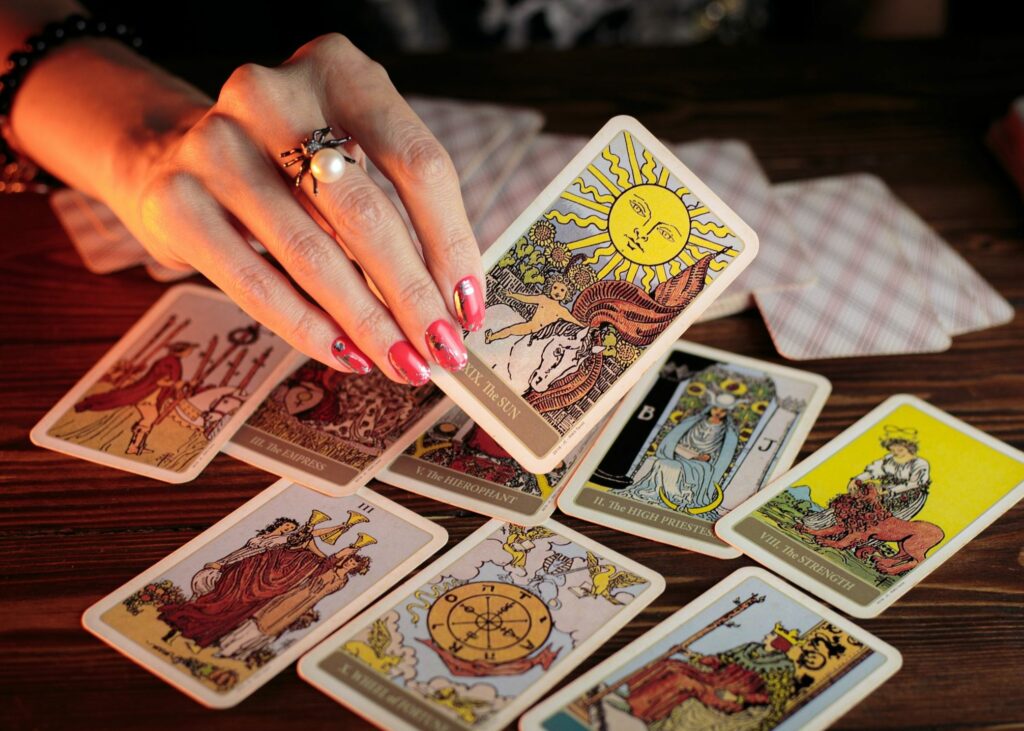
Tarot decks typically contain 78 cards divided into the Major and Minor Arcana. Each card is replete with symbolism and imagery, which can be interpreted carnally, spiritually, or psychologically. To Catholic and Protestant communities, the iconography of tarot might appear conflicting with biblical teachings. For instance, cards such as The Devil, Death, or The Tower may be seen as emblematic of chaos and moral decay, rather than routes to enlightenment or exploration.
The Major Arcana: Insights and Misgivings
In the Major Arcana, which consists of 22 cards, we find representations of significant life themes and lessons. These cards can evoke deep introspection, but within a Christian lens, such reflection must be approached with caution. The Fool card, for example, symbolizes new beginnings and journeys, reminiscent of the innocence of faith. Yet, the question looms—can embarking on such a journey truly align with Christian teachings about reliance on divine guidance?
Moreover, cards like The High Priestess, associated with intuition and hidden knowledge, invite comparison with the biblical emphasis on wisdom, as seen in Proverbs. The Christian perspective may acknowledge the value of discernment, but also caution against seeking knowledge outside the scriptures. This juxtaposition fosters a dialogue around the appropriateness of tarot in the life of a believer.
The Minor Arcana: Everyday Life and Christian Values
The Minor Arcana, comprising 56 cards, reflects the mundane realities of daily existence, categorized into four suits: Cups, Pentacles, Wands, and Swords. Each suit resonates with specific facets of life—Cups symbolizing emotions, Pentacles denoting material aspects, Wands representing creativity and passion, and Swords embodying conflict and intellect. While these elements are undeniably relatable, a Christian may assess their alignment with biblical principles.
For example, Cups can represent love and community; however, a deeper inquiry reveals the necessity for discerning connections through a Christian lens. The abundance of love celebrated in 1 Corinthians 13 may challenge the interpretations offered by tarot, ultimately guiding believers to seek relationships steeped in spiritual rather than earthly waters.
Ethics and Intentions: Navigating the Tarot
In any discussion on tarot within a Christian worldview, the issue of ethics surfaces. The intentions behind drawing tarot cards are paramount. If the cards are employed as mere tools for reflection or personal insight, can this be reconciled with faith? Some might argue that using the cards as instruments of self-discovery, rather than divination, is permissible. Yet it is important to remember that spiritual discernment within Christianity emphasizes fellowship with God and scripture as the primary sources of wisdom.
A fine line exists between seeking knowledge and invoking practices perceived as occult. Tarot card usage must be approached with mindful consideration, ensuring that it does not contravene established Christian doctrines. Engaging in dialogue with church leaders or trusted mentors regarding these contemplations can offer clarity.
Common Misunderstandings: Tarot and Occult Practices
Many assume that tarot cards are inherently linked to occult practices, invoking images of witches and sorcery often depicted in popular culture. However, it is essential to differentiate between the use of tarot as a psychological tool versus its occult connotations. The fear surrounding tarot often stems from ignorance and misconception. The reality is that not all who engage with tarot seek to foretell the future or connect with the supernatural. Rather, some utilize it as a means to facilitate spiritual reflection and mindful consideration of life’s complexities.
Conclusion: A Reflective Journey
Tarot cards can serve as a fascinating conundrum for Christians—an intersection of art, psychology, and spirituality layered with history and theology. The degree to which tarot aligns or diverges from Christian teachings largely depends upon individual perspective, intent, and understanding. Engaging with tarot through a thoughtful and discerning lens can lead to enriched self-awareness and facilitate a deeper exploration of one’s faith journey. Ultimately, each individual must navigate these waters with care, guided by the core tenets of their beliefs.
FAQ
What are tarot cards?
Tarot cards are a set of 78 cards used primarily for divination and self-reflection, consisting of the Major and Minor Arcana.
How do tarot cards relate to Christianity?
Tarot cards can evoke differing interpretations within Christianity, often viewed with skepticism due to their associations with divination.
Can tarot be used for self-discovery?
Some individuals use tarot cards as tools for reflection and self-discovery, rather than for predicting the future.
Leave a Reply