Short Answer
In the labyrinthine world of spiritual exploration, tarot cards evoke a plethora of interpretations, bridging the ethereal with the earthly. One of the most compelling concepts in tarot is the notion of “new beginnings,” a motif that resonates with profound significance within various spiritual philosophies, including Christianity. This article delves into the rich tapestry connecting tarot’s symbolism of new beginnings with Christian perspectives, underscoring the arcane beauty of transformation and renewal.
The tarot deck is often likened to a narrative tableau, each card a vibrant chapter in the grand chronicle of human experience. The Fool, for instance, embodies the quintessential new beginning. This card embodies the dawning of a journey filled with endless possibilities, much like the biblical notion of rebirth illustrated in passages throughout the Scriptures. Just as Christ’s resurrection heralded the promise of new life, the Fool invites us to embrace the unknown and trust in the divine providence guiding our steps.
The symbolism of the Fool is further enriched by imagery that speaks to innocence and spontaneity. Clad in a vibrant tunic with a small dog at his heels, the Fool stands at the precipice of a cliff, echoing the biblical motifs of faith and risk. It is within this context that one can draw parallels to the Christian ideal of stepping out in faith, where embarking on new paths becomes a divine endeavor that carries the weight of spiritual significance.
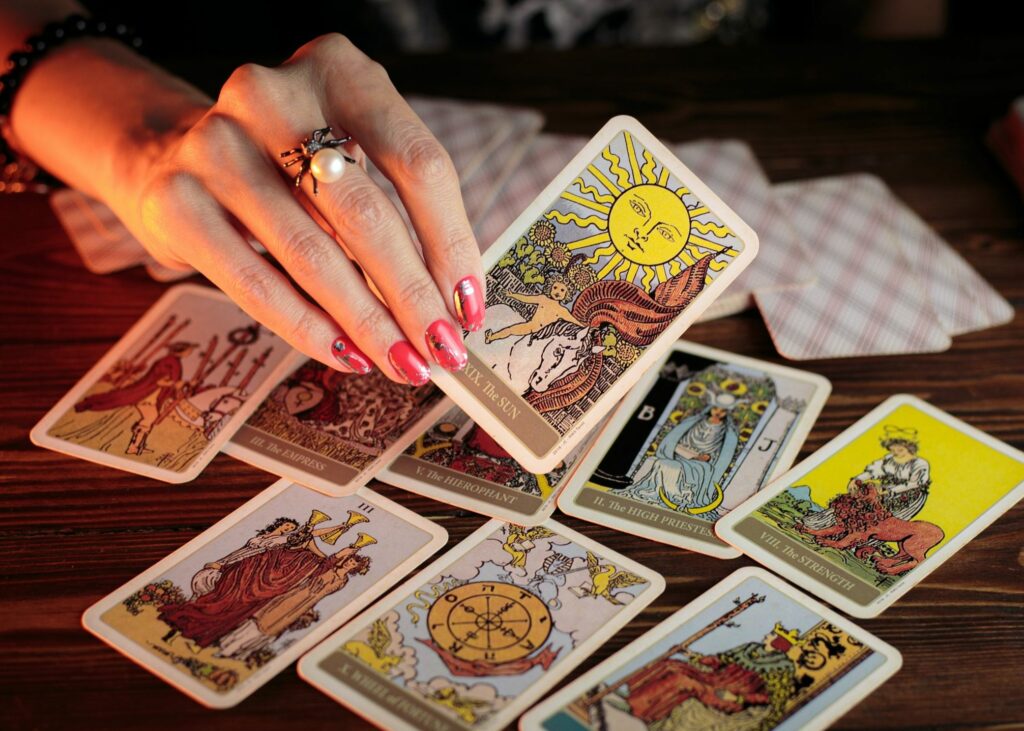
Transitioning from the Fool, we encounter the Empress, a card synonymous with creation and nurturing—themes deeply intertwined with the notion of new beginnings. The Empress represents fertility, abundance, and the nurturing aspects of life, paralleling the biblical understanding of God as a sustainer and creator. In Christianity, the creation narrative encapsulates the birth of the world and the continuous act of divine creation, resonating with the Empress’s call to embrace the new life sprouting from the soil of existence.
From this perspective, new beginnings signify not merely a personal evolution but rather a commitment to recognizing and honoring the divine creativity embedded in all life. The Empress’s lush imagery invites a understanding of the earth as a canvas awaiting the brushstrokes of our actions, guided by our faith and inspirations. It reminds us to cultivate new relationships, ideas, and ventures that reflect the abundance of grace that God offers to those willing to embrace change.
Moreover, the concept of new beginnings intertwines profoundly with the Christian doctrine of repentance. The Death card, often misunderstood, symbolizes not an end, but rather a transformative passage that paves the way for new life. In Christian theology, the sacrificial nature of Christ’s death serves as the ultimate emblem of transformative power, allowing believers to experience resurrection and renewal. This parallels the notion that personal metamorphosis can be both challenging yet necessary for spiritual growth.
To view the Death card through a Christian lens adds layers of understanding about surrender and the willingness to let go of the old to welcome the new. It becomes a metaphor for the believer’s journey through trials and tribulations, akin to the season of Lent where one prepares the heart for the joyous resurrection. Embracing this understanding offers a holistic view of life’s cyclical nature, reaffirming that endings facilitate glorious new beginnings—a grace often unrecognized in everyday life.
Furthermore, the Wheel of Fortune invites contemplation of cosmic cycles, reinforcing the idea that life is a series of continuous changes. This card indicates that new opportunities arise as the wheel turns—an affirmation of optimism and faith in divine timing. In Christianity, this resonates with scripture that encourages believers to hold on to hope, as God’s plans are designed for good, enabling the faithful to look forward to new chapters even amidst uncertainty and anxiety.
Consider the parable of the Prodigal Son, a profound emblem of new beginnings framed in the context of forgiveness and acceptance. The son’s journey from recklessness to redemption underscores the transformative power of returning home, demonstrating that new beginnings are not solely for those who have never strayed, but also for those who seek forgiveness and renewal. In essence, the cycle of life, death, and rebirth is pivotal in both Christian teachings and the tarot’s exploration of human experience, accentuating that every conclusion carries the seeds of rebirth.
As we navigate the complexities of our spiritual journeys, the integration of tarot’s symbolism with Christian ideology provides not only meaning but also a unique lens through which to envision new beginnings. The interconnectivity of these ideas fosters an understanding that life is a sacred journey, imbued with opportunities for growth and renewal amidst the trials encountered along the way.
Ultimately, the allure of new beginnings lies in their inherent promise of transformation. They compel us to look beyond the tangible and recognize the unseen hand of divine orchestration that guides our path. The interplay between tarot and Christian thought thus serves as a reminder: embrace the unknown with faith, for in every ending lies a new beginning, waiting to be discovered.
FAQ
What does the Fool card represent in tarot?
The Fool card symbolizes new beginnings, innocence, and the start of a journey filled with possibilities.
How does the Empress card relate to new beginnings?
The Empress represents creation, nurturing, and the abundance of new life, paralleling themes of growth and renewal.
What is the significance of the Death card in tarot?
The Death card symbolizes transformation and the end of one phase, paving the way for new beginnings.
How does the Wheel of Fortune relate to new opportunities?
The Wheel of Fortune signifies the cycles of life and the continuous changes that bring new opportunities.

Leave a Reply