Short Answer
In a world where mystical practices often collide with established doctrines, tarot card reading presents a fascinating conundrum, particularly when viewed through a Christian lens. Can a tool rooted in esoteric traditions harmoniously coexist with religious beliefs? This intriguing question invites contemplation and exploration into the implications of such a union.
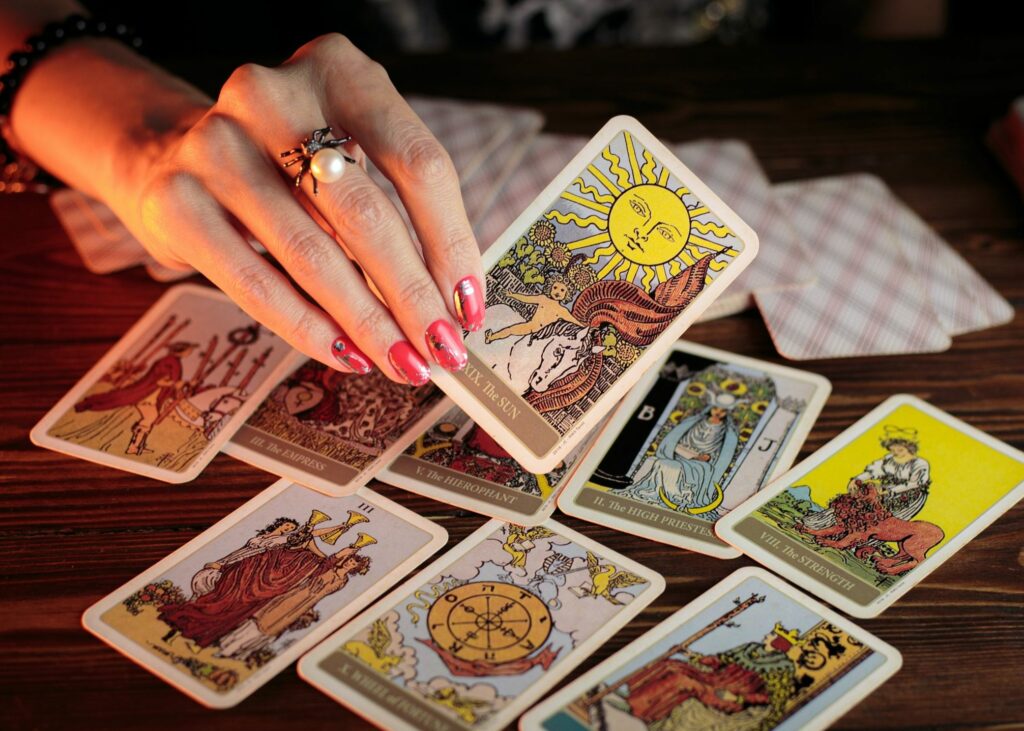
To comprehend the relationship between tarot cards and Christianity, it’s essential to first understand the core tenets of both domains. Tarot cards are a deck consisting of 78 cards, divided into two main sections: the Major Arcana and the Minor Arcana. They have historically been utilized for divination and self-reflection, often guiding individuals through life’s uncertainties. Conversely, Christianity teaches adherents to seek guidance from God, the scriptures, and spiritual discernment, which raises an important challenge: Can one engage with tarot without straying from one’s faith?
In essence, tarot cards serve as mirrors reflecting the querent’s inner self, illuminating personal strengths, weaknesses, and life’s myriad pathways. This introspective quality can resonate with Christian beliefs centered on self-examination and wisdom. Much like parables and allegories in the Bible, the imagery on tarot cards can provoke contemplation about life’s moral and spiritual dilemmas. They compel an individual to question their motivations and aspirations. Yet, the potential for misunderstanding arises. Is this technique a quest for discernment or a foray into forbidden territory?
From a Christian perspective, tarot cards might be viewed through various prisms, depending on one’s theological inclination. Some believers may assert that any form of divination is strictly proscribed by biblical scripture; they reference verses like Deuteronomy 18:10-12, which admonishes against practices associated with witchcraft and sorcery. This caution urges an unambiguous delineation between seeking divine guidance and veering into occult territory.
However, not all Christians interpret scripture in the same manner. There exists a growing movement within Christianity that emphasizes personal spirituality, often embracing tools such as tarot as a means of deepening one’s understanding of self and God’s plan. This divergence in thought poses a captivating challenge: Does engaging with tarot inherently dilute one’s faith? Or could it, rather paradoxically, enhance one’s spiritual journey by fostering deeper introspection?
Consider the symbolism represented by the Major Arcana. Cards like The Fool (representing beginnings and innocence) and The Hierophant (symbolizing tradition and spiritual authority) can indeed serve as metaphors for the Christian journey. The Fool’s leap of faith mirrors the Christian call to embrace God’s plan, albeit with a heart full of uncertainty. Similarly, The Hierophant encapsulates the essence of community and shared beliefs, echoing the role of the church in guiding individuals along their spiritual paths.
Moreover, the imagery on tarot cards is laden with symbolism that can awaken profound reflections. The Lovers card, for instance, represents choice, harmony, and relationships. In a Christian context, it can evoke the significance of love and devotion within marriage, underscoring the importance of nurturing bonds based on faith. Such interpretations invite spirited debate, as one might ponder whether the tarot’s guidance leads to holistic personal growth or distracts from spiritual reliance on God.
Furthermore, engaging with a tarot deck can foster an enhanced emotional vocabulary—something that many people, including Christians, struggle to articulate. The process of contemplating the cards encourages individuals to articulate their feelings, fears, and aspirations. While some may see this introspection as a slippery slope towards unorthodox practices, others might argue that it facilitates a deeper understanding of oneself, ultimately drawing the individual closer to God.
This internal dialogue is critical in establishing personal boundaries while exploring the fascinating world of tarot. Reflecting upon one’s motivations for engaging with tarot is paramount. Are individuals seeking guidance as a substitute for prayer? Or are they utilizing the cards as a tool for deeper understanding, akin to studying biblical passages? Navigating this landscape requires discernment and honesty.
Additionally, the ethical implications of tarot reading in a Christian context cannot be overlooked. The cards should be utilized responsibly and ethically, ensuring the practice is not exploitative or misleading. A commitment to truth and integrity aligns harmoniously with Christian values, regardless of the tools one employs for self-discovery.
Ultimately, the intersection of tarot card reading and Christianity invites a rich dialogue among believers and non-believers alike. It poses questions that challenge the rigidity of dogma and promote a more nuanced understanding of spirituality. How can one balance a desire for mystical insights with fidelity to their faith? Can tarot serve as a conduit for divine wisdom without leading one astray? These inquiries not only enrich personal reflections but also illuminate the diverse landscape of faith and spirituality in the contemporary world.
In conclusion, while tarot reading may initially seem incompatible with Christian belief systems, a thoughtful exploration reveals that it may also serve as a powerful catalyst for introspection and growth. As long as practitioners approach tarot with intention and a commitment to ethical principles, it has the potential to be a valuable ally on one’s spiritual journey. The paramount challenge remains: to delve into this realm with open eyes, seeking wisdom while remaining anchored in one’s faith.
FAQ
Is tarot reading compatible with Christian beliefs?
Compatibility varies among Christians; some view tarot as conflicting with scripture, while others see it as a tool for introspection aligned with personal spirituality.
Can tarot cards be used ethically within a Christian context?
Yes, if used responsibly with honesty and integrity, tarot can be a tool for self-reflection without contradicting Christian values.
What are the main concerns Christians have about tarot reading?
Concerns focus on divination being forbidden by scripture, potential occult associations, and the risk of relying on tarot instead of prayer or God’s guidance.
How do tarot cards like The Fool and The Hierophant relate to Christian symbolism?
The Fool symbolizes a leap of faith similar to Christian trust in God, while The Hierophant represents spiritual authority akin to the church’s role.
Leave a Reply