Short Answer
Welcome to your magical journey into the world of Tarot for Kids Free – Simple Meanings for Young Readers. In this guide, you’ll discover how tarot cards can become a playful, insightful tool for children to explore their emotions, spark creativity, and build confidence. Whether your child is curious about symbols, loves storytelling, or simply enjoys imaginative play, tarot can offer a unique way to connect with their inner world. We’ll cover everything from the basics of tarot to kid-friendly interpretations, fun activities, and tips to make learning engaging and meaningful. By the end, your young reader will have a colorful, accessible introduction to tarot that feels less like a lesson and more like an adventure.
The Magic of Tarot for Kids: Why It Works
Tarot isn’t just for adults—it’s a gateway to self-discovery that can captivate children’s imaginations. Unlike traditional books or lessons, tarot speaks in symbols, colors, and stories, which resonate deeply with young minds. Kids naturally think in metaphors, and tarot cards are like tiny storybooks filled with characters, animals, and landscapes that invite interpretation. For example, the Magician card might remind a child of a superhero with magical tools, while the Moon card could spark tales of nighttime adventures or hidden secrets. This visual and narrative approach makes complex ideas—like emotions or life lessons—easier to grasp and more memorable.
Moreover, tarot encourages critical thinking and intuition. When a child pulls a card and describes what they see—perhaps a tower with lightning or a smiling sun—they’re practicing observation, creativity, and confidence in their own interpretations. It’s a low-pressure way to explore feelings, challenges, and dreams without the pressure of right or wrong answers. For shy or introverted kids, tarot can be a safe space to express themselves, while outgoing children might enjoy the storytelling aspect. The key is to frame tarot as a game of possibilities rather than a rigid system, allowing their unique perspective to shine.
Meet the Cards: A Kid-Friendly Tarot Deck
Not all tarot decks are created equal, especially for young readers. While traditional decks like the Rider-Waite-Smith are beautiful, their intricate imagery might overwhelm kids. Instead, look for decks designed with children in mind, featuring:
- Bright, bold colors and clear, friendly illustrations.
- Simple, relatable themes, such as animals, fantasy creatures, or everyday objects with a magical twist.
- Minimal text on the cards, focusing on imagery that sparks imagination.
Popular kid-friendly decks include the Tarot for Kids deck by US Games Systems, which features whimsical illustrations of children and animals, or the Everyday Tarot deck, which reimagines traditional cards with modern, playful designs. If you’re on a budget, you can even create a DIY deck using printed images from free online resources or hand-drawn cards. The goal is to choose a deck that feels inviting and fun, so your child is excited to explore each card.
Here’s a quick guide to some of the most kid-friendly tarot cards and their potential meanings:
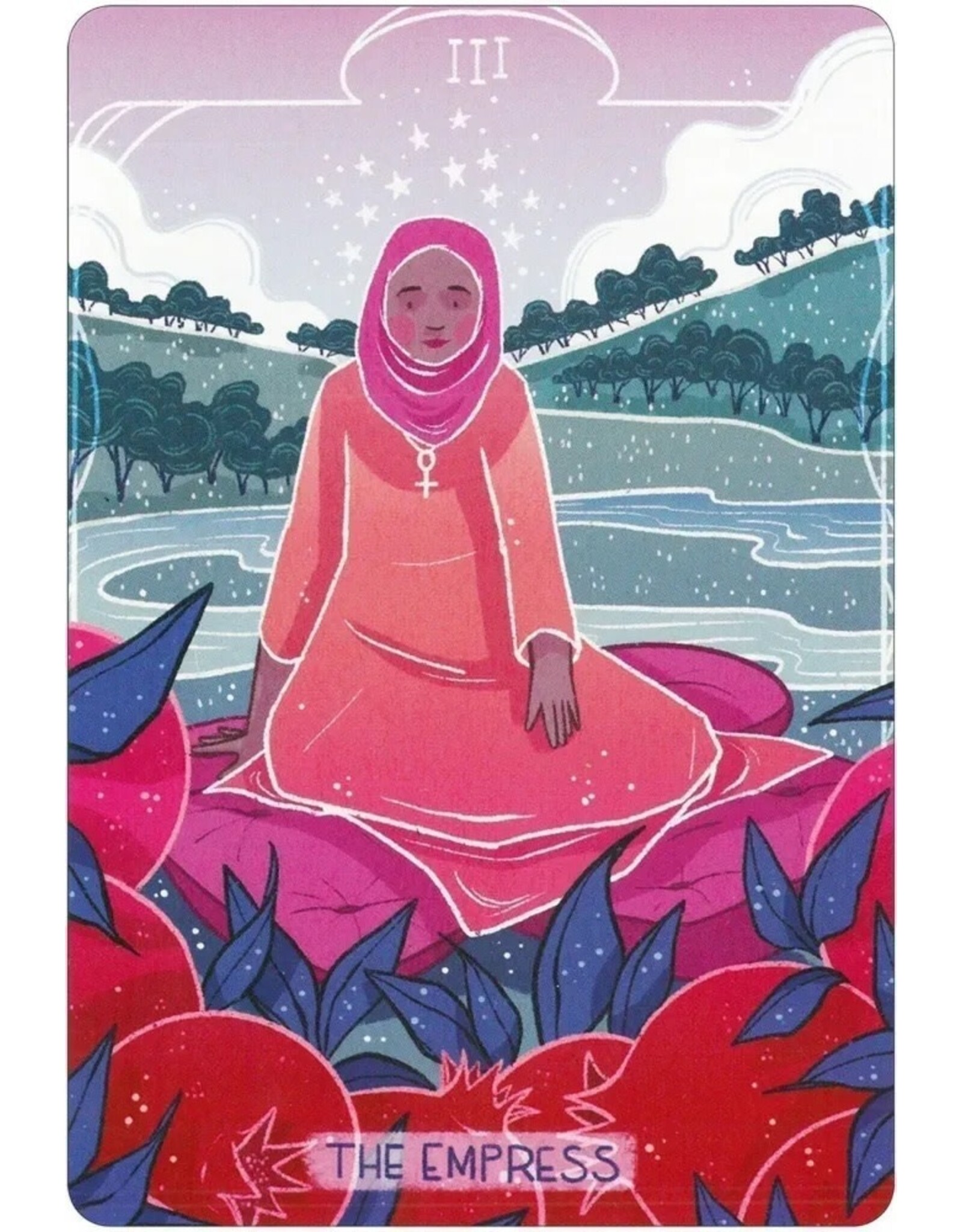
| Card | Kid-Friendly Meaning |
|---|---|
| The Sun | Happiness, energy, and feeling bright! It’s like a sunny day where everything is possible. |
| The Moon | Mystery and dreams. It’s a great time to use your imagination or share a bedtime story. |
| The Star | Hope and wishing. It reminds us that even when things are hard, good things can happen. |
| The Wheel of Fortune | Change and surprises. Like a rollercoaster, life has ups and downs, but it’s always an adventure! |
| The Magician | Creativity and power. You have everything you need to make your dreams come true! |
How to Introduce Tarot to a Child: Fun and Easy Steps
Introducing tarot to a child should feel like setting off on a treasure hunt, not a homework assignment. Start by creating a cozy, inviting space—perhaps with cushions, blankets, and a small table for the cards. Explain that tarot is like a storytelling game where each card is a piece of a bigger tale. You might begin with a simple ritual, like shuffling the cards while asking, “What adventure should we explore today?”
For the first few sessions, focus on just a few cards at a time. Let your child pick a card randomly or ask them to describe what they see. Ask open-ended questions like:
- “What do you think this card is trying to tell us?”
- “If this card were a character in a story, what would they do next?”
- “Does this card remind you of anything in your life?”
Keep the atmosphere light and playful. If your child pulls a card that feels scary (like the Tower or Death), reassure them that tarot is about change and growth, not literal doom. For example, the Tower might represent a surprising event that helps them learn something new, like a sudden move to a new school leading to new friends. Encourage them to draw their own version of the card or act it out with toys to deepen their connection.
Another fun activity is to create a “tarot journal” where your child can write or draw their interpretations of the cards. They might invent a story for each one or describe how the card makes them feel. Over time, they’ll start to recognize patterns, like how the Moon often appears when they’re feeling reflective or how the Sun shows up during happy moments. This builds their confidence in reading the cards while making the experience personal and meaningful.
Tarot Activities to Spark Creativity and Learning
Tarot isn’t just for solo play—it’s a fantastic tool for group activities, art projects, and even classroom learning. Here are some engaging ways to bring tarot to life for young readers:
- Tarot Storytelling: Lay out three cards in a row and ask your child to invent a story using the images. For example, if they draw the Magician, the Moon, and the Star, their tale might involve a magician who uses the moon’s light to find a hidden treasure guided by a shooting star.
- Tarot Charades: Act out the meaning of a card while others guess what it is. This is a great way to reinforce their understanding of the cards’ themes in a physical, interactive way.
- DIY Tarot Art: Print out blank tarot cards and let your child design their own interpretations. They might add glitter to the Sun card or draw a rainbow behind the Star. This helps them connect with the cards on a deeper level.
- Tarot for Problem-Solving: When your child faces a challenge (like a tough day at school), pull a card for advice. For example, the Three of Cups might suggest calling a friend for support, while the Eight of Wands could mean taking quick action to solve a problem.
- Tarot Bingo: Create bingo cards with different tarot symbols (hearts, stars, suns) and mark them off as you explore the deck together. The first to complete a row wins a small reward, like choosing the next bedtime story.
These activities turn tarot into a dynamic, multi-sensory experience that goes beyond simple card meanings. They encourage kids to think outside the box, collaborate with others, and see tarot as a tool for playful problem-solving rather than a mysterious art.
Common Questions and How to Answer Them
Kids are naturally curious, and they’ll likely have lots of questions about tarot. Here’s how to address some of the most common ones in a way that feels reassuring and exciting:
- “Is tarot magic or real?”
Explain that tarot is like a magic mirror—it doesn’t predict the future like a crystal ball, but it helps us understand our feelings and choices. It’s a way to listen to our inner voice, like a wise friend who always has good advice.
- “Can tarot tell me the future?”
Clarify that tarot shows possibilities, not certainties. It’s like a weather forecast for emotions and events. For example, if the Ten of Swords appears, it might mean a tough time is ending, not that something terrible will happen.
- “What if I pull a scary card?”
Reassure them that even “scary” cards have positive messages. The Devil card, for instance, might represent feeling stuck in a bad habit, but pulling it could be a reminder to ask for help or try something new.
- “Do I have to believe in tarot for it to work?”
Emphasize that tarot is a tool, like a paintbrush or a musical instrument. You don’t have to “believe” in it to use it—you just need an open mind and a willingness to explore. Some kids treat it like a game, while others find it deeply meaningful. Both are okay!
Conclusion
Tarot for kids is far more than a simplified version of an adult practice—it’s a vibrant, imaginative tool that can nurture creativity, emotional intelligence, and self-confidence. By introducing tarot as a playful exploration of symbols and stories, you give your child a unique way to understand themselves and the world around them. Whether they’re designing their own deck, inventing tales from the cards, or using tarot to navigate challenges, they’ll develop skills that last a lifetime: curiosity, empathy, and the courage to trust their instincts.
Remember, the goal isn’t perfection or rigid interpretations—it’s about fostering a love for exploration and a sense of wonder. Let your child lead the way, and watch as tarot becomes a cherished part of their journey. With the right deck, a sprinkle of creativity, and an open heart, tarot can be a magical adventure that grows with them, one card at a time.
FAQ
Is tarot suitable for children?
Yes, tarot is a creative and educational tool that helps children explore emotions, develop storytelling skills, and build confidence.
How do I select a tarot deck for kids?
Choose decks with bright colors, simple images, and themes that appeal to children, such as animals or fantasy.
Can tarot predict the future for kids?
No, tarot is best used as a tool for reflection and understanding rather than fortune-telling.
What should I do if a card seems scary to a child?
Explain that scary cards represent change or learning, and encourage creative activities like drawing or storytelling to help them understand.

Leave a Reply