Short Answer
Have you ever woken up from a vivid dream, only to wonder what deeper message it held? Dreams are more than fleeting stories—they are windows into your subconscious, offering clues about your inner thoughts, fears, and desires. When tarot enters the picture, these messages can become even more profound. In this guide, you’ll discover how tarot dream meanings can act as a bridge between your conscious mind and the hidden layers of your psyche. You’ll learn how to interpret these symbols, recognize patterns, and use them as tools for personal growth. By the end, you’ll see dreams not just as random images, but as meaningful conversations with your deeper self.
Understanding the Connection Between Tarot and Dreams
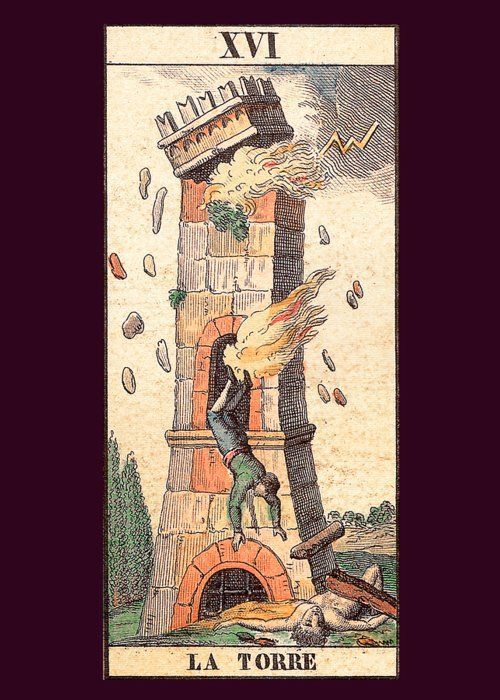
Tarot and dreams share a unique relationship because both serve as channels for the subconscious to communicate. While dreams unfold in a narrative form, tarot uses symbolic imagery to convey messages. When you combine the two, you create a powerful system for self-reflection. Dreams often reflect unresolved emotions or subconscious processing, while tarot provides structure to interpret these feelings. For example, dreaming of a storm might align with the tarot card “The Tower,” symbolizing sudden change or upheaval. By recognizing these connections, you can decode the language of your dreams with greater clarity.
Another key aspect is the role of intuition. Dreams bypass the logical mind, allowing raw emotions and instincts to surface. Tarot, when used intuitively, mirrors this process by encouraging you to trust your gut feelings over rigid interpretations. Together, they form a dynamic duo—dreams reveal the raw material, and tarot helps shape it into actionable insights. This synergy can lead to breakthroughs in understanding your motivations, fears, and even future paths.
How to Use Tarot for Dream Interpretation
To begin interpreting your dreams through tarot, start by keeping a dream journal. Record your dreams immediately upon waking, noting every detail—colors, emotions, people, and symbols. Once you have a collection of dreams, use tarot cards to draw parallels. For instance, if you frequently dream of water, pull the “Cups” suit from the tarot deck, as it represents emotions and intuition. Alternatively, draw a single card each morning to reflect on how it resonates with your previous night’s dreams.
Another method is to perform a tarot spread specifically designed for dream analysis. A simple three-card spread could include: the first card for the dream’s core message, the second for the subconscious emotion behind it, and the third for the action you should take. For example, if you draw “The High Priestess” as your core message, it may indicate a need to trust your intuition in waking life. The second card, say “Eight of Cups,” could reveal a desire to walk away from a draining situation. The final card, “The Star,” might suggest hope and renewal. This structured approach turns abstract dreams into clear, actionable guidance.
It’s also helpful to meditate on your dreams before pulling tarot cards. Close your eyes and revisit the dream in your mind, paying attention to any lingering emotions or sensations. Then, shuffle your deck while focusing on the dream’s central theme. The first card you draw often holds the key to its meaning. Trust your initial reaction to the card’s imagery—this is your subconscious speaking through the tarot.
Common Dream Symbols and Their Tarot Counterparts
Dreams are filled with recurring symbols, each carrying potential messages from your subconscious. By mapping these symbols to tarot cards, you can uncover deeper layers of meaning. Below are some common dream symbols and their tarot equivalents:
- Water (Oceans, Rivers, Rain): Linked to the tarot suit of Cups, water often represents emotions, intuition, and the flow of life. A calm sea might indicate emotional balance, while turbulent waters could signal unresolved feelings.
- Flying: Associated with the Fool card, flying dreams often reflect freedom, ambition, or a desire to escape limitations. They can also indicate a need for perspective or a higher viewpoint on a situation.
- Teeth Falling Out: This unsettling dream often connects to the Eight of Swords or The Tower, symbolizing fear of loss of control, communication issues, or a need for change in how you express yourself.
- Being Chased: Typically tied to the Five of Wands or The Chariot, this dream may reveal avoidance of confrontation, inner conflict, or a push to confront a challenging situation.
- Snakes: Often linked to the Death card or The Magician, snakes in dreams can represent transformation, healing, or hidden fears. Their presence may signal a need to shed old patterns.
- Houses or Rooms: In tarot, houses often relate to the self or different aspects of your life. A dream about exploring a house might align with the Hierophant (tradition) or The Hermit (self-discovery).
By familiarizing yourself with these connections, you can start to decode your dreams with greater confidence. Keep in mind that personal associations also play a role—if a snake in your dream feels threatening, it may not align with the typical tarot interpretation of transformation. Always consider your unique emotional context.
Interpreting Recurring Dreams Through Tarot
Recurring dreams are particularly significant because they highlight persistent subconscious themes. These dreams often serve as wake-up calls, urging you to address unresolved issues. Using tarot to interpret them can provide clarity on why they keep appearing. For example, if you repeatedly dream of being lost in a labyrinth, pull the tarot card “The Hanged Man” to explore themes of surrender and new perspectives. Alternatively, “The Wheel of Fortune” might suggest that your feelings of being lost are part of a larger cycle of change.
To analyze recurring dreams, start by identifying the core emotion or situation in the dream. Is it fear, confusion, or excitement? Then, draw a tarot card that encapsulates this feeling. For instance, if your recurring dream involves being trapped, “The Devil” card might indicate unhealthy attachments or self-imposed restrictions. Once you recognize the pattern, you can take steps to address it in your waking life—whether that means setting boundaries, confronting a fear, or seeking support.
It’s also useful to track these dreams over time. Note if they change or intensify, as this can signal shifts in your subconscious. Tarot can help you stay attuned to these changes, allowing you to adapt your approach to personal growth accordingly.
Using Tarot to Unlock Hidden Desires and Fears
Dreams frequently bring to light desires and fears that your conscious mind suppresses. Tarot can act as a mirror, reflecting these hidden aspects so you can acknowledge and work with them. For example, dreaming of a lost loved one might surface unresolved grief, which could align with the Five of Cups in tarot, representing sorrow and acceptance. By acknowledging this grief, you open the door to healing.
Similarly, dreams of success or abundance might connect to the Ace of Pentacles, revealing your deepest aspirations. Tarot can help you explore why these desires feel out of reach or what steps you need to take to manifest them. Conversely, dreams filled with anxiety or dread may point to fears linked to cards like The Tower or Three of Swords. Recognizing these fears is the first step toward overcoming them.
To delve deeper, try a tarot spread focused on shadow work. Place three cards face down: the first for a hidden desire, the second for a fear, and the third for the action you can take to integrate these aspects of yourself. This exercise fosters self-awareness and empowers you to embrace all parts of your psyche.
Conclusion
Tarot dream meanings offer a transformative way to engage with your subconscious, turning abstract dreams into clear, actionable insights. By understanding the connection between tarot and dreams, you can decode the messages your mind is trying to convey. Whether you’re exploring recurring dreams, unlocking hidden desires, or interpreting symbols, tarot provides a structured yet intuitive framework for self-discovery. The key is to approach this practice with curiosity and openness, allowing your intuition to guide you. As you deepen your relationship with both tarot and your dreams, you’ll find that your subconscious is not just reading you—it’s guiding you toward greater clarity, growth, and transformation. Start tonight by journaling your dreams and pulling a single tarot card to reflect on its message. You may be surprised by the wisdom that emerges.
FAQ
What is the significance of tarot in dream interpretation?
Tarot acts as a tool to decode the messages and symbols present in dreams, helping individuals gain insights into their subconscious.
How can I start interpreting my dreams with tarot?
Begin by keeping a dream journal to record your dreams. Use tarot cards to draw parallels and insights from the symbols in your dreams.
Leave a Reply