Short Answer
Are you tired of staring at your Tarot deck, feeling overwhelmed by the sheer number of cards and their meanings? Do you wish there was a faster, more engaging way to memorize the cards without spending endless hours flipping through guidebooks? If so, Tarot flash cards might just be your new best friend. In this guide, you’ll discover how to use these handy tools to master the Tarot in record time—while having fun along the way. We’ll cover everything from choosing the right flash cards to creative memorization techniques that turn learning into a game. By the end, you’ll be ready to impress your friends (or clients) with your lightning-fast Tarot recall. Ready to dive in? Let’s get started!
Why Tarot Flash Cards Are a Game-Changer for Memorization
Traditional Tarot learning often relies on passive reading or repetitive shuffling, which can feel tedious and ineffective. Tarot flash cards flip the script by turning memorization into an active, visual, and interactive experience. Here’s why they work so well:
- Visual Learning: Each card’s imagery is designed to evoke emotions and symbols, making it easier to associate meanings with the visuals rather than abstract text.
- Portability: Unlike bulky guidebooks, flash cards fit in your pocket, purse, or even your phone (if digital). You can practice anywhere—on the bus, during lunch, or while waiting in line.
- Active Recall: Flash cards force your brain to retrieve information actively, which strengthens memory far more than passive review.
- Gamification: Turning memorization into a game (like timed challenges or solo quizzes) makes learning feel less like work and more like play.
Think of flash cards as your personal Tarot trainer—compact, efficient, and always ready to challenge you. The best part? You can customize your practice to focus on the cards or meanings that give you the most trouble.
How to Choose the Perfect Tarot Flash Cards for Your Needs
Not all Tarot flash cards are created equal. To get the most out of your practice, you’ll want to select a deck that aligns with your learning style and goals. Here’s what to look for:
- Art Style: Do you prefer classic Rider-Waite imagery, or something more modern and abstract? Choose a deck whose art resonates with you—it’ll make memorization more intuitive.
- Card Breakdown: Some flash cards include the card’s name, upright/reversed meanings, numerology, and astrological associations. Others focus solely on imagery. Decide whether you need the extra details or just the basics.
- Size and Format: Standard-sized cards (about 2.5 x 4 inches) are easy to shuffle and handle, but smaller decks are great for portability. Digital flash cards (like apps) are ideal for on-the-go practice.
- Quality: Look for sturdy, thick cards that won’t bend or fray with frequent use. Laminated or coated cards last longer, especially if you’re practicing daily.
- Extras: Some decks include mnemonic keywords, associations, or even blank spaces for you to add your own notes. These can be incredibly helpful for reinforcing memory.
If you’re unsure where to start, consider popular decks like the Tarot Flash Cards by Lo Scarabeo or U.S. Games Systems’ Rider-Waite Flash Cards. Both offer clear imagery and concise meanings, making them great for beginners and advanced readers alike.
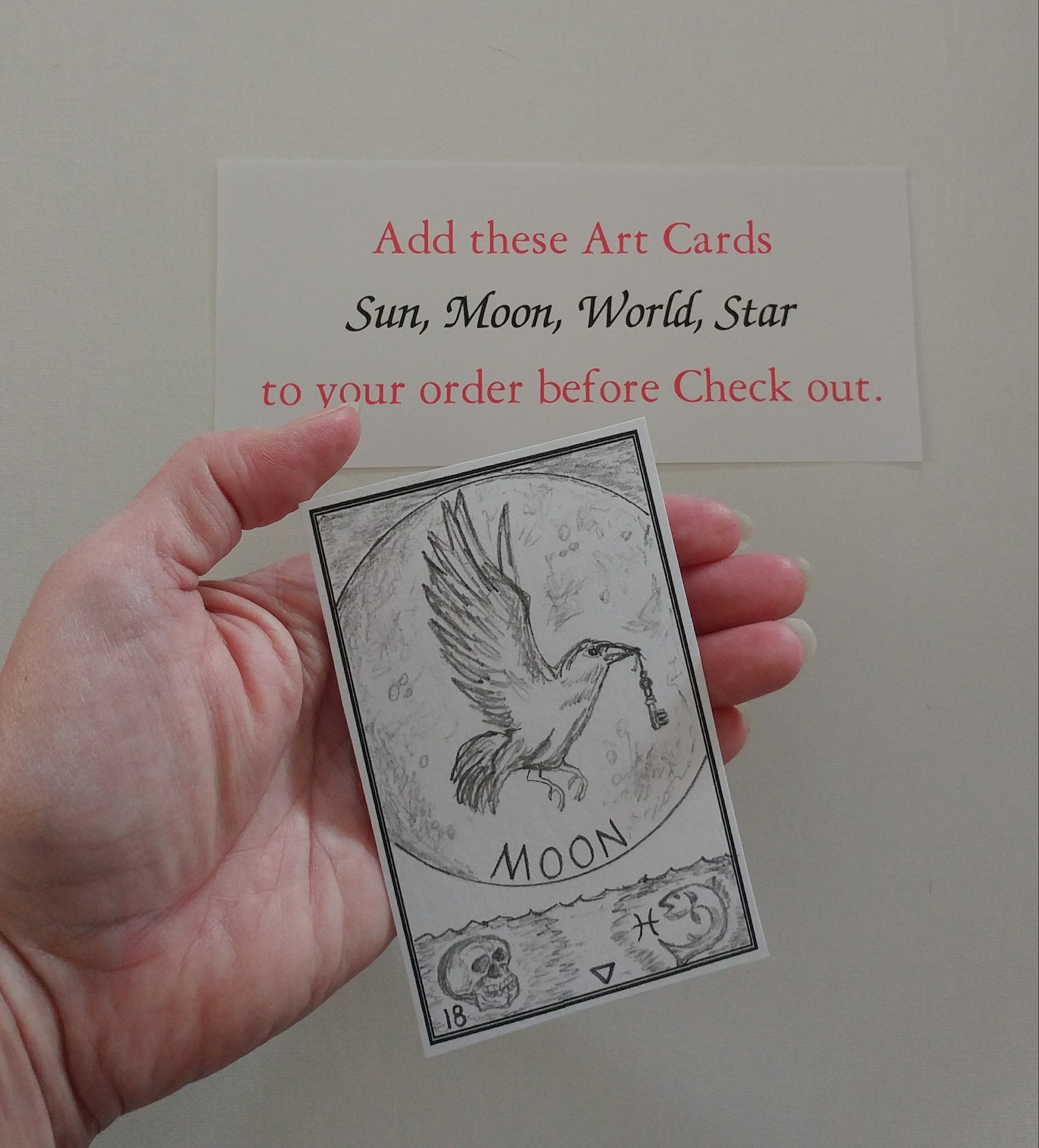
Step-by-Step: How to Memorize Tarot Cards with Flash Cards
Now that you’ve got your flash cards, it’s time to turn them into a memory powerhouse. Follow this structured approach to maximize retention:
Step 1: Familiarize Yourself with the Deck
Before diving into memorization, spend a few minutes simply observing the cards. Flip through them slowly, noting the imagery, colors, and symbols. Pay attention to recurring themes (e.g., cups often represent emotions, swords relate to intellect). This initial exposure primes your brain for deeper learning.
Step 2: Start with the Major Arcana
The Major Arcana (22 cards) are the backbone of the Tarot, each representing a significant life lesson or archetype. Begin by focusing on these cards first, as they’re easier to memorize due to their strong visual narratives. Use the following techniques:
- Storytelling: Create a story linking the Major Arcana in order (The Fool to The World). For example, imagine The Fool stepping off a cliff (trusting the universe) and eventually becoming The World (mastery of life).
- Mnemonics: Assign a keyword or phrase to each card (e.g., “The Magician = manifestation” or “The High Priestess = intuition”). Use flash cards to drill these associations.
- Grouping: Divide the Major Arcana into smaller groups (e.g., cards 0–7, 8–14, 15–21) and master one group at a time.
Step 3: Tackle the Minor Arcana with the “Suit + Number” Method
The Minor Arcana (56 cards) can feel overwhelming, but breaking them down by suit and number simplifies the process:
- Suits: Cups (emotions), Pentacles (material world), Swords (intellect), Wands (creativity). Associate each suit with its element (e.g., Cups = Water, Pentacles = Earth).
- Numbers: Learn the general meanings of numbers (1 = new beginnings, 2 = balance, 3 = creativity, etc.) and apply them to each suit. For example, the 3 of Cups often represents celebration or friendship.
- Court Cards: Treat them like people—Page (student), Knight (action), Queen (nurturing), King (authority). Assign personalities to each (e.g., Queen of Swords = a sharp-witted leader).
Use flash cards to drill suit-by-suit, focusing on one suit at a time. Shuffle the cards and test yourself: “What’s the 5 of Pentacles?” or “What does the Knight of Wands represent?”
Step 4: Add Reversed Meanings (Optional but Helpful)
Reversed cards can be tricky, but flash cards make it easier to associate their meanings. Create separate flash cards for reversed interpretations or use a different color marker to highlight them on your existing cards. Practice by flipping cards randomly and naming both the upright and reversed meanings.
Step 5: Test Yourself with Challenges
Once you’re comfortable with the basics, it’s time to level up. Try these playful challenges to reinforce your memory:
- Speed Drill: Time yourself as you go through the entire deck. Can you name all 78 cards in under 5 minutes?
- Blind Shuffle: Shuffle the deck and pick a card at random. Describe its imagery and meaning without looking.
- Tarot Story: Draw 3–5 cards and create a story using their meanings. This builds narrative memory, which is powerful for recall.
- Reverse Flash: Hold a card and describe its reversed meaning before checking the back. Did you get it right?
Pro Tips to Supercharge Your Tarot Flash Card Practice
Want to take your memorization to the next level? These advanced strategies will help you retain Tarot knowledge faster and more effectively:
- Spaced Repetition: Use an app like Anki or Quizlet to schedule flash card reviews at increasing intervals (e.g., 1 day, 3 days, 1 week). This technique leverages the brain’s natural forgetting curve to reinforce memory.
- Teach Someone Else: Explaining Tarot meanings to a friend (or even an imaginary audience) forces you to organize your knowledge clearly. Use your flash cards as visual aids during your “lesson.”
- Create Your Own Flash Cards: If commercial decks don’t resonate with you, design your own using index cards or a digital tool. Writing the meanings by hand can also boost retention.
- Link to Personal Experiences: Associate each card with a real-life event or emotion. For example, the 10 of Cups might remind you of a family gathering where you felt pure joy. Personal connections make memories stick.
- Use Multiple Senses: Say the card’s name and meaning out loud while holding the flash card. The combination of visual, auditory, and tactile input enhances memory encoding.
Remember, consistency is key. Even 10–15 minutes of daily practice will yield better results than cramming for hours once a week. Make flash cards a habit, and you’ll be amazed at how quickly your Tarot skills improve.
Common Pitfalls and How to Avoid Them
Even the most dedicated learners can hit roadblocks. Here are some challenges you might face—and how to overcome them:
- Overwhelm: The sheer number of cards can feel daunting. Combat this by breaking the deck into smaller chunks (e.g., focus on the Major Arcana for a week before tackling the Minors).
- Mixed-Up Meanings: It’s easy to confuse similar cards (e.g., the 4 of Cups vs. the 4 of Swords). Use mnemonic devices or create a “confusion list” to review tricky pairs.
- Lack of Engagement: If flash cards start to feel boring, switch up your routine. Try practicing with a friend, using a Tarot app, or incorporating movement (e.g., walking while reciting card meanings).
- Ignoring Reversals: Many beginners avoid reversed cards, but they’re a crucial part of Tarot. Dedicate time each week to practicing reversed meanings—even if it’s just 5 minutes.
- Perfectionism: Don’t stress about memorizing everything at once. Progress is more important than perfection. Celebrate small wins, like mastering a single suit or recognizing a card’s imagery instantly.
Conclusion: Your Path to Tarot Mastery Starts Here
Tarot flash cards are more than just a study tool—they’re a gateway to deeper intuition, faster readings, and greater confidence in your Tarot practice. By combining visual learning, active recall, and playful challenges, you can transform the daunting task of memorization into an enjoyable and rewarding journey. Whether you’re a beginner just starting with the Major Arcana or an advanced reader refining your Minor Arcana knowledge, flash cards offer a flexible and effective way to learn.
So, what’s your next move? Grab a deck of flash cards, set aside 10 minutes today, and start with just one card. Challenge yourself to learn its meaning inside and out. Then, tomorrow, add another. Before you know it, you’ll be flipping through the Tarot with ease, impressing yourself (and others) with your lightning-fast recall. The cards are waiting—are you ready to answer their call?
FAQ
What are Tarot flash cards?
Tarot flash cards are tools designed to help individuals memorize the meanings and imagery of Tarot cards quickly and effectively.
How do I choose the right Tarot flash cards?
Select Tarot flash cards based on your preferred art style, the information included, size and format, quality, and any extras for reinforcement.
What techniques can I use to memorize Tarot cards?
Techniques include storytelling, mnemonics, grouping cards, and using spaced repetition for effective memorization.
Leave a Reply