Short Answer
Have you ever wondered if someone from your past will return to you? Whether it’s an ex-partner, a lost friend, or a family member you’ve drifted apart from, the desire for reconciliation can feel overwhelming. Tarot offers a unique way to explore these emotions, uncover hidden influences, and gain clarity on whether a reunion is possible—or even advisable. In this guide, you’ll discover how tarot can shed light on reconciliation, interpret key cards, and navigate the emotional complexities of second chances. By the end, you’ll have the tools to ask the right questions and interpret the answers with confidence.
Why Tarot for Reconciliation? Understanding the Fascination
Reconciliation is a deeply human desire. It speaks to our need for connection, closure, and the hope that past mistakes can be undone. Tarot taps into this emotional landscape by providing a structured yet intuitive way to explore uncertainties. Unlike traditional advice, tarot doesn’t give definitive answers but instead offers reflections that encourage self-awareness. When asking, “Will they come back?” the cards act as a mirror, revealing subconscious fears, desires, and external influences that shape the situation. This makes tarot particularly powerful for reconciliation readings, where emotions often cloud judgment.
Another reason tarot resonates with reconciliation seekers is its ability to highlight timing and external factors. A reading might reveal that while the other person is open to reconnecting, external circumstances—like unresolved conflicts or personal growth trajectories—could delay or complicate the process. This nuance helps you prepare for various outcomes rather than clinging to a single expectation.
The Most Important Tarot Cards for Reconciliation Readings
Certain tarot cards carry specific energies that directly relate to reconciliation. Understanding their meanings can help you interpret your reading more accurately. Below are the most significant cards to watch for:
The Lovers

The Lovers card is often associated with harmony, mutual respect, and deep emotional bonds. In a reconciliation context, it suggests that the connection between you and the other person is built on strong foundations. However, it also implies a choice—either to rekindle the relationship or to walk away if the timing isn’t right. This card encourages you to reflect on whether the relationship aligns with your current values and goals.
Two of Cups
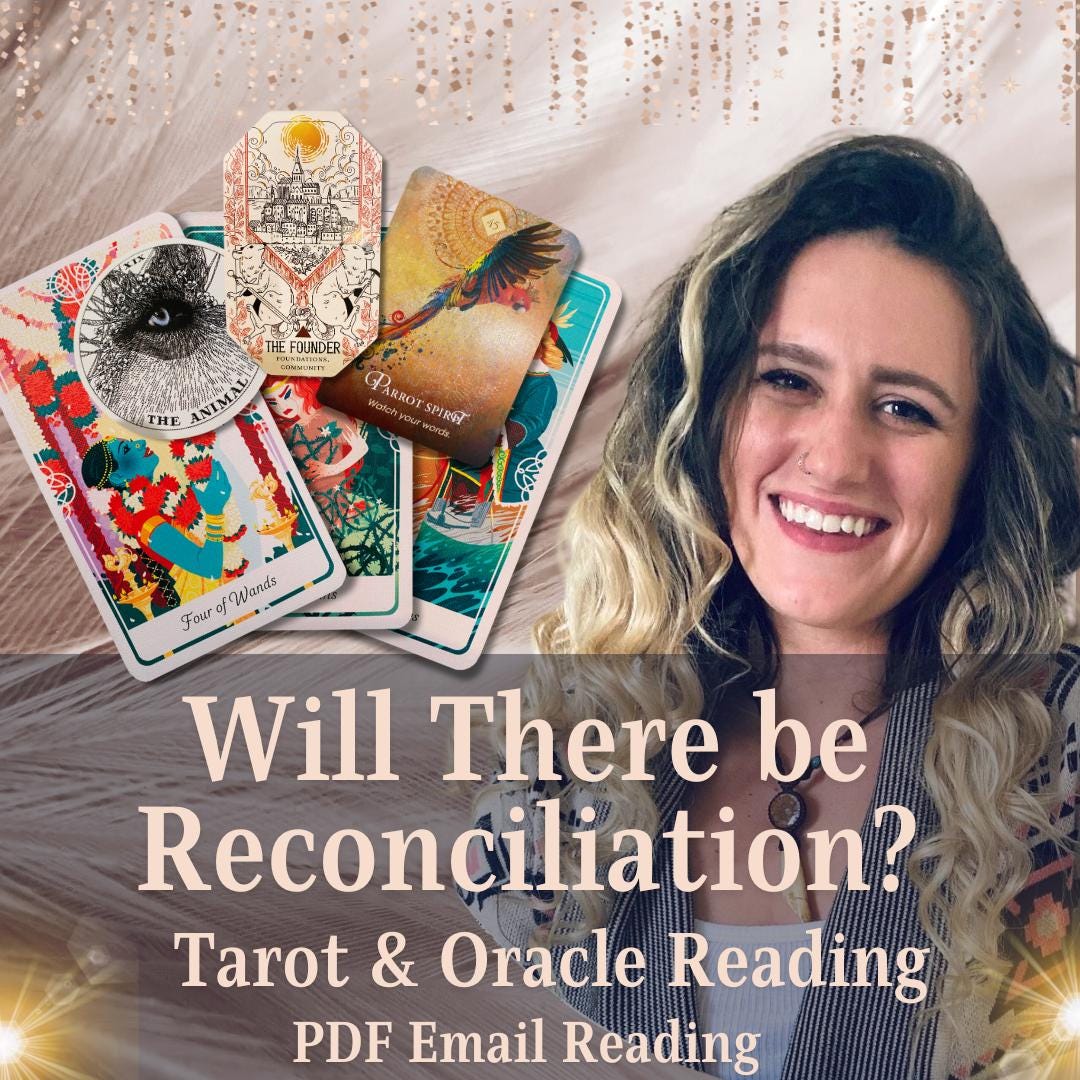
The Two of Cups represents mutual love, partnership, and emotional alignment. When this card appears in a reconciliation spread, it’s a strong indicator that the other person shares your feelings and is open to reconnecting. It’s one of the most positive signs you can receive, suggesting that both parties are willing to put in the effort to rebuild trust. However, it’s essential to consider the surrounding cards to ensure there are no underlying issues that need addressing first.
The Star

The Star is a card of hope, healing, and renewed faith. In a reconciliation reading, it signals that both you and the other person have the potential to move forward with optimism. This card often appears when there’s a need for emotional healing before reconnecting. It reassures you that, with patience and self-reflection, a positive outcome is possible. The Star also encourages you to let go of past grievances and focus on the future.
Five of Cups
The Five of Cups is a card of loss and regret, often appearing when you’re dwelling on what went wrong. In a reconciliation context, it serves as a reminder that while the past cannot be changed, it doesn’t have to define the future. This card asks you to acknowledge your pain but also to look beyond it. If this card appears in your reading, it may be a sign that you need to process your emotions before considering reconciliation.
Six of Swords
The Six of Swords represents transition and moving forward. If this card appears in a reconciliation reading, it suggests that while the other person may not return in the way you hope, it’s time to let go and find peace. This card often indicates that the relationship has run its course, and holding on will only bring more suffering. It’s a gentle nudge to accept the situation and focus on your personal growth instead.
How to Ask the Right Questions in a Reconciliation Tarot Reading
The key to a meaningful tarot reading lies in the questions you ask. Vague inquiries like “Will they come back?” often yield unclear answers. Instead, focus on questions that explore the dynamics of the relationship, the other person’s feelings, and the potential for change. Here are some examples:
- “What do I need to understand about this person’s current feelings toward me?” This helps you see their perspective without assumptions.
- “What blocks are preventing reconciliation, and how can I address them?” This encourages you to take actionable steps toward resolution.
- “What lesson should I learn from this experience before considering reconciliation?” This shifts the focus from the other person to your personal growth.
- “If reconciliation happens, what would need to change for it to be healthy?” This ensures you’re not repeating past mistakes.
Avoid asking yes-or-no questions, as they limit the depth of the reading. Instead, frame your queries to invite reflection and insight. The more specific you are, the more meaningful the answers will be.
Interpreting Timing and External Influences
One of the most challenging aspects of reconciliation readings is timing. The cards can provide clues about when—or if—a reunion might occur, but they rarely give exact dates. Instead, look for patterns in the cards that hint at seasons of change. For example:
- Major Arcana cards (like The Wheel of Fortune or The Moon) often indicate significant shifts that could take months or even years.
- Court cards (like The Page of Cups or The Knight of Swords) may suggest that the other person is emotionally ready to reconnect soon, especially if they appear in a future position of a spread.
- Elemental dignities (the balance of fire, water, air, and earth) can reveal whether the timing is favorable. For instance, a reading dominated by water cards (emotions) might suggest that feelings need to settle before reconciliation can happen.
External influences, such as the other person’s current life circumstances or your own emotional state, also play a role. If cards like The Hermit or Eight of Pentacles appear, it may indicate that one or both of you are focused on personal development, which could delay reconciliation. Conversely, cards like The Chariot or Three of Wands suggest forward momentum and readiness for change.
Common Pitfalls in Reconciliation Tarot Readings
While tarot can be a powerful tool, it’s easy to fall into traps that skew your interpretation. Being aware of these pitfalls will help you approach your reading with clarity:
- Confirmation Bias: It’s tempting to focus only on cards that support what you want to hear. For example, if you’re desperate for reconciliation, you might overlook The Five of Cups or Six of Swords because they challenge your hopes. Always consider the full spread before drawing conclusions.
- Over-Reliance on the Outcome: Tarot is not a crystal ball. It’s a tool for self-reflection, not a guarantee of a specific future. If the cards suggest reconciliation isn’t likely, use that insight to prepare emotionally rather than clinging to denial.
- Ignoring Shadow Aspects: Reconciliation readings often bring up unresolved issues. Cards like The Devil or Ten of Swords might indicate toxic patterns or deep-seated resentments. Acknowledge these shadows instead of dismissing them—they’re crucial for true healing.
- Rushing the Process: If the cards indicate that reconciliation is possible but not immediate, resist the urge to force contact. Timing is everything, and pushing too soon can backfire.
Practical Steps After Your Tarot Reading
A tarot reading is only as valuable as the actions it inspires. Once you’ve interpreted the cards, use the insights to guide your next steps. Here’s how to apply your reading practically:
- Journal Your Insights: Write down the cards that stood out and what they mean to you. Note any emotions or memories they evoke. This helps solidify your understanding and track patterns over time.
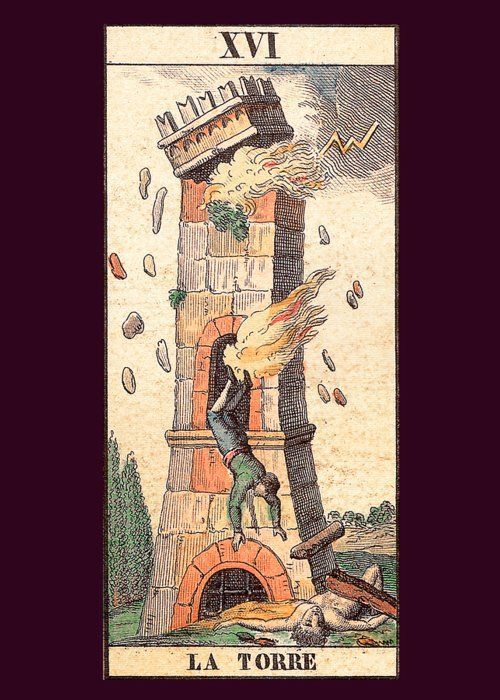
- Set Boundaries: If the cards reveal that the other person isn’t ready or that the relationship was unhealthy, use that knowledge to set boundaries. For example, if The Tower appears, it may be a sign to cut ties rather than rekindle the flame.
- Focus on Self-Improvement: Cards like The Hermit or Strength suggest that personal growth is key. Use this time to work on your confidence, communication skills, or emotional resilience. The better you feel about yourself, the clearer your path forward will become.
- Communicate with Caution: If the cards indicate that reconciliation is possible, approach the conversation with openness and honesty. Avoid rehashing old arguments or making demands. Instead, express your feelings and listen to theirs without judgment.
- Trust Your Intuition: Tarot is a guide, not a rulebook. If your gut tells you something different from the cards, honor that. Your intuition often picks up on subtleties the cards can’t convey.
Conclusion
Tarot for reconciliation is more than just seeking answers about whether someone will return—it’s a journey into your own heart and mind. The cards don’t predict the future; they illuminate the present, helping you navigate the complexities of human connection with greater awareness. Whether the reading suggests a second chance, a necessary goodbye, or a period of waiting, the insights you gain can empower you to make decisions aligned with your highest good.
Remember, reconciliation isn’t just about the other person coming back; it’s about whether the relationship can evolve into something healthier and more fulfilling. Use tarot as a tool for self-discovery, and let its wisdom guide you toward the path that serves your growth—whether that includes a reunion or a graceful release. The true magic of tarot lies in its ability to transform uncertainty into clarity, fear into courage, and loss into wisdom.
FAQ
What is tarot for reconciliation?
Tarot for reconciliation involves using tarot cards to explore the dynamics of past relationships and understand the potential for reconnecting.
Which tarot cards are important for reconciliation?
Key cards include The Lovers, Two of Cups, The Star, Five of Cups, and Six of Swords, each representing different aspects of relationships and emotional healing.
How can I ask the right questions in a tarot reading for reconciliation?
Focus on specific questions that explore the other person’s feelings and the dynamics of the relationship rather than vague yes-or-no inquiries.
Leave a Reply