Short Answer
This guide explores the concept of tarot guidance and when to follow your instincts. You’ll learn how tarot can serve as a mirror to your subconscious, offering clarity in moments of doubt. Discover the deeper reasons behind the enduring fascination with tarot and how to interpret its messages in alignment with your inner wisdom. By the end, you’ll understand how to balance intuitive insights with tarot readings for more meaningful decision-making.
Understanding Tarot Guidance and Intuition
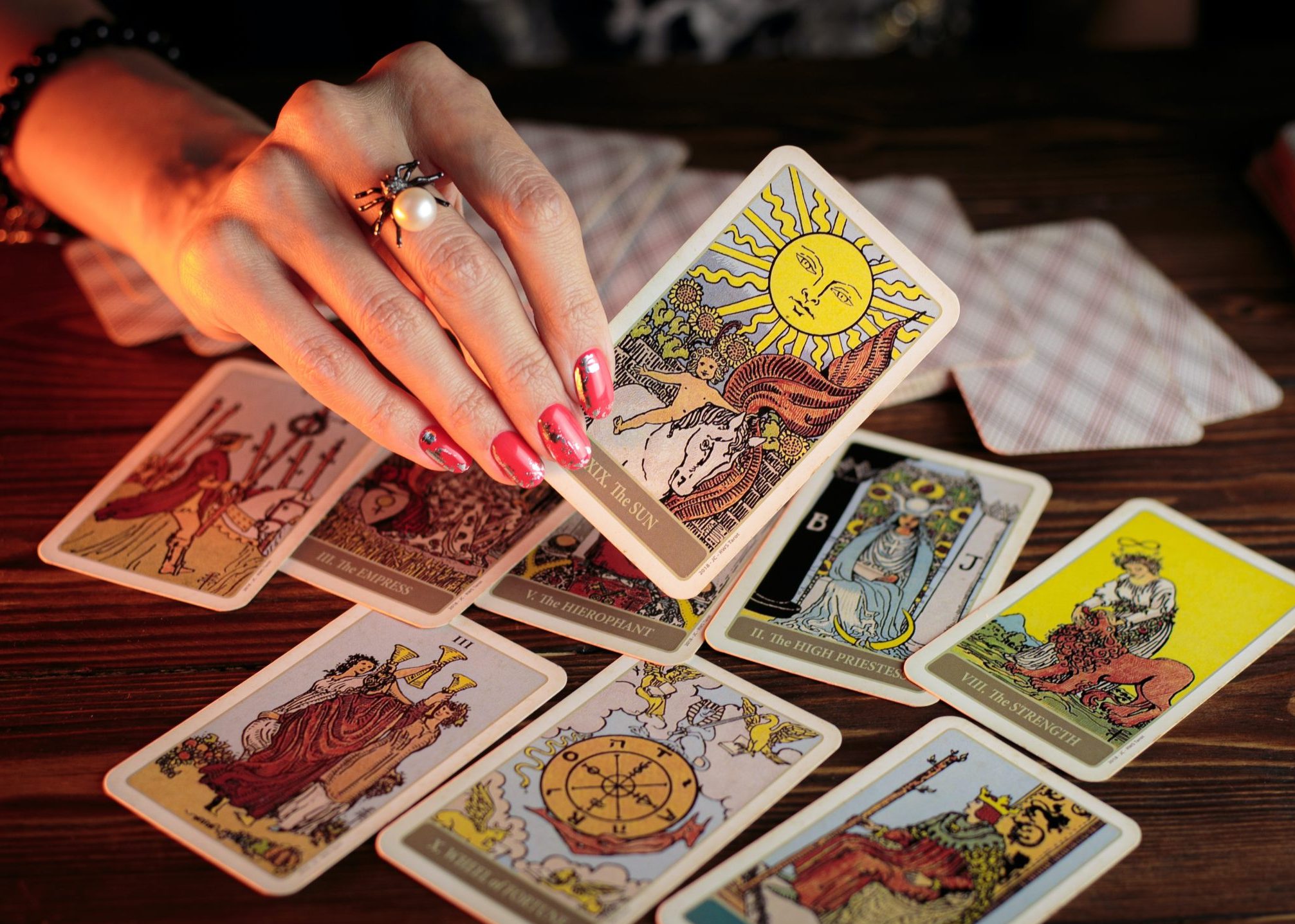
Tarot guidance is more than just drawing cards—it’s a practice that bridges the conscious and subconscious mind. When you pull a card, you’re not just receiving a random image; you’re tapping into a symbolic language that reflects your current state of mind, emotions, and life circumstances. Intuition, on the other hand, is that quiet inner voice that often speaks in feelings rather than words. The magic happens when these two forces align.
Many people turn to tarot when they feel stuck, seeking answers that their logical mind can’t provide. However, the cards don’t give direct solutions—they offer perspectives. For example, pulling The High Priestess might suggest trusting your instincts, while The Tower could indicate a need to embrace change, even if it feels disruptive. The key is to use the tarot as a tool for reflection rather than a definitive roadmap.
The Role of Instincts in Tarot Readings
Instincts are your body’s way of communicating what your mind hasn’t yet processed. In tarot, they act as a compass, guiding you toward the cards or interpretations that resonate most deeply. Have you ever pulled a card and felt an immediate, visceral reaction—whether a shiver, a gut punch, or a sense of relief? That’s your intuition speaking. Ignoring these signals can lead to readings that feel hollow or disconnected from your true self.
Consider the difference between a card that “looks nice” and one that “feels right.” A card like The Empress might appeal to you visually, but if The Hermit resonates more strongly, it could be pointing to a need for introspection. Your instincts help you filter through the noise of traditional interpretations to find the messages that are personally relevant. This is why many experienced tarot readers emphasize the importance of journaling and meditating on cards to uncover their true significance.
Common Observations: Why People Struggle to Trust Their Instincts
One of the most frequent observations in tarot practice is the hesitation to trust one’s instincts. This often stems from societal conditioning that prioritizes logic over intuition. From a young age, many are taught to rely on facts and figures, dismissing gut feelings as unreliable. Yet, in tarot, intuition is the bridge between the card’s symbolism and your lived experience.
Another common challenge is the fear of making “wrong” choices. When a tarot reading suggests following your instincts, it can feel daunting because instincts often lead to uncharted territory. For instance, if The Chariot appears in a reading about a career move, your instinct might scream “go for it,” but doubt creeps in: “What if I fail?” This tension highlights the deeper reason people are drawn to tarot—it forces them to confront their fears and desires in a structured yet mystical way.
Additionally, the sheer volume of tarot interpretations available online can overwhelm seekers. With countless books, blogs, and social media posts offering conflicting advice, it’s easy to second-guess your own reactions. This is where instincts become crucial. Instead of defaulting to the first interpretation you find, ask yourself: “Does this resonate with me on a personal level?” If the answer is yes, your instinct is likely guiding you correctly.
How to Use Tarot to Strengthen Your Instincts
Strengthening your instincts in tarot practice begins with mindfulness. Before pulling a card, take a few deep breaths and center yourself. Ask a clear question or set an intention for the reading. As you shuffle the deck, pay attention to any physical sensations—does the deck feel lighter in one hand? Do certain cards seem to “jump out” as you shuffle? These are subtle cues from your intuition.
When interpreting the cards, avoid rigidly adhering to traditional meanings. Instead, ask yourself: “What does this card mean to me right now?” For example, The Death card often symbolizes transformation, but if you’re going through a breakup, your instinct might link it to emotional rebirth rather than literal death. Trusting your personal connection to the cards deepens the reading’s relevance.
Another effective method is to pull a single card daily and reflect on it throughout the day. Notice how its imagery or keywords appear in your surroundings. If The Star appears, you might find yourself drawn to stargazing or conversations about hope. These synchronicities reinforce your intuitive connection to the tarot and the universe.
Real-Life Applications: When to Follow Your Instincts
Tarot guidance shines brightest when applied to real-life decisions. Suppose you’re considering a major life change, like moving to a new city or ending a relationship. A tarot spread might reveal The Lovers card, traditionally associated with relationships, but your instinct could interpret it as a sign to prioritize self-love instead. This is where the deeper magic of tarot lies—it doesn’t dictate; it illuminates possibilities.
In professional settings, tarot can help clarify career paths. If The Eight of Pentacles appears, it might suggest focusing on skill-building, but your gut feeling could be nudging you toward a creative project instead. The cards provide a framework, but your instincts add the personal touch that turns guidance into action.
Personal relationships also benefit from this balance. If you’re unsure whether to confront a friend about a misunderstanding, pulling The Two of Swords (often symbolizing avoidance) might prompt you to trust your instinct to communicate openly. The tarot doesn’t give permission to ignore the card’s warning; it encourages you to integrate its message with your inner knowing.
Overcoming Doubt: Trusting the Tarot and Your Inner Voice
Doubt is the biggest obstacle to trusting both tarot and your instincts. To overcome it, start small. Practice readings on low-stakes situations, like “What should I eat for dinner?” or “How can I improve my mood today?” These lighthearted queries build confidence in your intuitive abilities without the pressure of life-altering decisions.
It’s also helpful to remember that tarot is a tool for exploration, not a crystal ball. There’s no “wrong” way to interpret the cards, especially when your instincts are involved. If a reading feels off, revisit it later or try a different spread. Your relationship with tarot should evolve as you do.
Finally, cultivate self-trust. Write down your intuitive hits and review them over time. You’ll likely notice a pattern of accuracy that reinforces your confidence. The more you honor your instincts in tarot, the more they’ll guide you in all areas of life.
Conclusion
Tarot guidance and instinct are two sides of the same coin—one offers structure, the other offers soul. When you learn to listen to your inner voice while engaging with the cards, you unlock a powerful synergy that transcends mere divination. The fascination with tarot endures because it meets a fundamental human need: the desire for meaning and connection. By following your instincts in tarot readings, you’re not just seeking answers; you’re embarking on a journey of self-discovery.
Start small, trust your gut, and let the cards be your guide—not your ruler. Over time, you’ll find that the most profound insights come not from the deck itself, but from the wisdom you already carry within. Whether you’re a seasoned reader or a curious beginner, the path to intuitive tarot is one of patience, practice, and deep listening.
FAQ
What is tarot guidance?
Tarot guidance involves using tarot cards to gain insights and clarity for decision-making, often by tapping into one’s intuition.
How can I strengthen my instincts while reading tarot?
You can strengthen your instincts by practicing mindfulness, journaling your readings, and trusting your personal interpretations of the cards.
Leave a Reply