Short Answer
In this comprehensive guide, you’ll explore the fascinating world of tarot interpretation, focusing on the balance between trusting your intuition and relying on traditional guidebooks. Whether you’re a beginner or an experienced reader, understanding how to blend personal insight with established meanings can deepen your connection to the cards and enhance your readings. You’ll learn about the history of tarot, the role of intuition versus guidebooks, different types of tarot content for readers at all levels, and practical tips for developing your intuitive skills. By the end, you’ll have a clearer perspective on how to approach tarot readings with confidence and authenticity.
The Role of Intuition in Tarot Interpretation
Intuition is the inner voice that guides you beyond the literal meanings of the cards. It’s the subtle feeling or impression you get when a card appears in a spread, often revealing deeper layers of insight that a guidebook might miss. While guidebooks provide structured interpretations based on centuries of tradition, intuition allows you to personalize the reading to the querent’s unique situation. For example, the Three of Cups might traditionally symbolize celebration and friendship, but your intuition could highlight a specific memory or emotion tied to the querent’s relationships. Developing intuition involves mindfulness, meditation, and practice—treating each reading as a conversation between you, the cards, and the universe.
Intuition isn’t about ignoring guidebooks entirely; it’s about using them as a foundation while allowing your subconscious to fill in the gaps. The more you work with the cards, the more attuned you become to their subtle messages. Pay attention to symbols, colors, and even the energy you feel when a card is drawn. Over time, you’ll notice patterns that resonate uniquely with you, making your readings more authentic and meaningful.
Guidebooks: The Traditional Framework
Guidebooks serve as a vital tool for tarot readers, especially beginners. They provide a standardized language for interpreting the cards, ensuring consistency and clarity. A well-known guidebook like 78 Degrees of Wisdom by Rachel Pollack or The Ultimate Guide to Tarot by Liz Dean offers historical context, card meanings, and sample spreads. These resources help readers build a solid foundation before branching out into intuitive interpretations. Guidebooks also introduce the concept of card reversals (upside-down cards) and elemental dignities, which can add nuance to a reading.
However, guidebooks have limitations. They often present a single, generalized interpretation of a card, which may not apply to every situation or querent. For instance, the Death card is frequently misunderstood as a literal end, but guidebooks clarify it as a symbol of transformation. Yet, your intuition might reveal that the querent is indeed experiencing a significant ending, validating the traditional meaning while adding personal context. The key is to use guidebooks as a starting point, then layer your own insights on top.
Types of Tarot Content for Different Readers
Tarot content comes in various formats, each catering to different learning styles and experience levels. For visual learners, illustrated guidebooks or decks with rich imagery, like the Rider-Waite-Smith deck, provide a strong foundation. These decks often include guidebooks with detailed card descriptions, making it easier to memorize meanings. For auditory learners, podcasts or audiobooks about tarot can reinforce learning through discussion and storytelling. Many readers also benefit from video tutorials, where experienced tarotists demonstrate spreads and interpretations in real time.
Interactive content, such as tarot journaling prompts or online courses, encourages hands-on practice. For example, a journal might ask you to draw a card daily and reflect on its relevance to your life, blending intuition with guided exploration. Social media platforms like Instagram or TikTok offer bite-sized tarot insights, perfect for quick learning. Meanwhile, advanced readers might explore niche topics like tarot for shadow work, astrological tarot, or even tarot for creative writing. The diversity of content ensures there’s something for everyone, regardless of their comfort level with the cards.
Developing Your Intuitive Tarot Skills
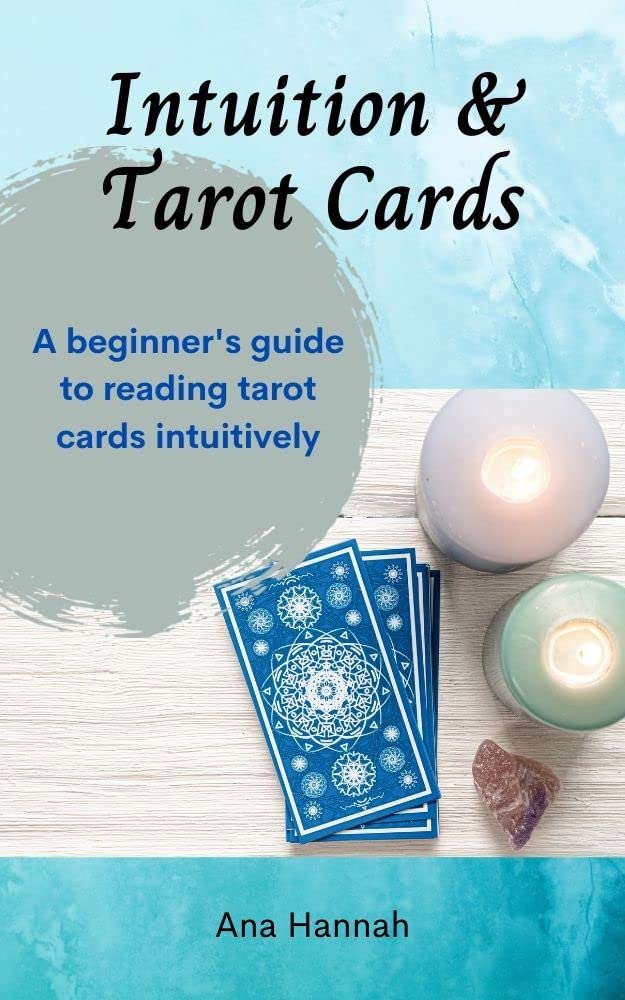
Building intuition is a journey that requires patience and practice. Start by familiarizing yourself with your deck—hold it, shuffle it, and observe the imagery. Notice which cards draw your attention or evoke strong emotions. You can also practice intuitive exercises, such as pulling a single card each morning and journaling about your first impressions before checking the guidebook. Over time, you’ll start to see connections between the cards and your own life experiences, deepening your understanding.
Another effective method is to work with a partner or querent and share your interpretations without consulting a guidebook first. Ask them to share their reactions to your insights—this feedback loop helps you refine your intuitive abilities. Meditation can also sharpen your intuition by quieting the mind and creating space for subtle messages. Try visualizing a card and asking for its message, then note any symbols, words, or feelings that arise. Remember, intuition is a muscle; the more you use it, the stronger it becomes.
Balancing Intuition and Guidebooks in Readings
The art of tarot reading lies in finding the right balance between intuition and guidebooks. A common approach is to use the guidebook as a reference point, then ask yourself how the card’s traditional meaning applies to the querent’s question. For example, if the Tower appears in a career spread, the guidebook might suggest sudden change or upheaval. Your intuition could then guide you to explore whether this change is positive (e.g., a breakthrough) or challenging (e.g., a job loss). This hybrid approach ensures that your readings are both grounded in tradition and infused with personal insight.
It’s also helpful to recognize when to trust your intuition over the guidebook. If a card’s traditional meaning feels off or doesn’t resonate with the querent’s situation, don’t hesitate to go with your gut. For instance, the Ten of Pentacles often symbolizes family legacy, but your intuition might highlight a different aspect, such as financial security or long-term planning. The querent’s energy and the context of the reading should always guide your interpretation. Ultimately, the goal is to create a reading that feels authentic and meaningful to both you and the querent.
Common Misconceptions About Tarot Interpretation
One of the biggest misconceptions about tarot is that the cards predict the future with absolute certainty. In reality, tarot offers a snapshot of the querent’s current energy and potential outcomes based on their choices. Guidebooks often emphasize this by framing card meanings as possibilities rather than fixed events. Another myth is that intuition alone is sufficient for accurate readings. While intuition is powerful, it’s most effective when paired with a solid understanding of the cards’ traditional meanings. Without this foundation, interpretations can become vague or overly subjective.
Some readers also believe that certain decks or guidebooks are “better” than others, leading to unnecessary pressure to find the “perfect” resource. The truth is, the best deck is the one that resonates with you. Whether it’s the classic Rider-Waite-Smith or a modern deck like The Modern Witch Tarot, what matters is how well you connect with the imagery and symbolism. Similarly, no single guidebook holds all the answers—each offers a unique perspective, and it’s okay to draw from multiple sources.
Conclusion
Tarot interpretation is a dynamic interplay between intuition and tradition, and mastering this balance can transform your readings from mechanical to magical. By understanding the role of guidebooks as a foundation and intuition as a guiding force, you create a personalized approach that resonates with both you and the querent. Explore the diverse types of tarot content available, experiment with intuitive exercises, and don’t shy away from challenging the traditional meanings when your gut tells you otherwise. Remember, tarot is a tool for self-discovery and empowerment—trust yourself, stay curious, and let the cards speak to you in their own unique language.
FAQ
What is the role of intuition in tarot interpretation?
Intuition guides readers to personalize meanings beyond traditional interpretations, allowing for deeper insights during readings.
How can beginners effectively use guidebooks?
Guidebooks provide structured interpretations and historical context, helping beginners develop a solid foundation before enhancing their intuitive skills.
What are common misconceptions about tarot?
Many believe tarot cards predict the future with certainty, but they actually reflect current energies and potential outcomes based on choices.
Leave a Reply