Short Answer
Dive into the mystical world of tarot with our comprehensive guide to Tarot Lists with Pictures—a visual journey where symbols leap off the page and whispers of the unseen become clear. Whether you’re a seasoned reader or a curious beginner, this guide will illuminate how images transform tarot into a dynamic, intuitive experience. You’ll discover how visual storytelling enhances interpretation, unlocks deeper meanings, and bridges the gap between abstract concepts and tangible insight. Prepare to see the cards not just as static symbols, but as living dialogues between you and the universe.
The Power of Visual Tarot: Why Pictures Speak Volumes
Tarot is a language of archetypes, and like any language, it thrives on imagery. A Tarot List with Pictures transcends traditional text-based readings by engaging the visual cortex—the part of the brain that processes emotions, memories, and intuition. When you see the High Priestess gazing serenely from the card, her crescent moon at her feet, your mind doesn’t just register an image; it feels her mystery, recalls lunar cycles, and connects to ancient feminine wisdom. This is the magic of visual tarot: it turns abstract symbols into emotional and cognitive anchors.
Studies in cognitive psychology suggest that images are processed 60,000 times faster than text. In tarot, this speed translates to instant recognition of themes—whether it’s the fiery passion of the Tower or the gentle guidance of the Star. A well-curated Tarot List with Pictures doesn’t just show you the cards; it tells a story before you even speak a word. It invites synchronicity, where the right image appears at the right moment, guiding your interpretation with uncanny precision.
How to Use a Tarot List with Pictures for Deeper Insight
Begin by selecting a list that resonates with your intuitive style. Are you drawn to classic Rider-Waite imagery, or do modern, minimalist designs speak to your soul? Once you have your list, approach it like a visual meditation. Start with the Major Arcana—these cards are the backbone of any reading, each one a chapter in the Hero’s Journey of life. Notice the colors, the expressions, the subtle details: the Fool’s boundless optimism, the Hermit’s solitary lantern, the Wheel of Fortune’s cyclical dance. Each element is a clue, a breadcrumb leading to deeper understanding.
For Minor Arcana, group cards by suit and observe patterns. The Cups often shimmer with emotional depth, their imagery rich in watery blues and greens. Swords cut through illusion with sharp clarity, their metallic tones reflecting truth. Pentacles ground us in the tangible, their earthy hues and harvest motifs reminding us of abundance and labor. When you see a card like the Three of Cups, with its trio of dancing figures, your mind doesn’t just see a party—it feels joy, connection, and celebration. This emotional resonance is the heart of visual tarot.
Curating Your Perfect Tarot Image Library
Not all tarot images are created equal. A great Tarot List with Pictures balances clarity with depth, avoiding overly abstract or cluttered designs that obscure meaning. Look for decks with rich symbolism and consistent color palettes—these create a cohesive visual language. For example, the from the Unveil the Secrets deck uses luminous imagery to emphasize intuition and cosmic connection, making it ideal for readings focused on guidance and foresight.
Consider your reading environment, too. If you read in low light, opt for decks with high-contrast images. If you’re drawn to digital readings, ensure your images are high-resolution to preserve detail. You might also create themed lists—one for love, one for career, one for shadow work—each tailored to specific questions. Over time, your visual library becomes a trusted companion, a visual lexicon that grows with your practice.
The Role of Color and Composition in Tarot Imagery
Color is emotion made visible. In tarot, it’s a silent narrator. Warm tones like reds and oranges in the Chariot suggest determination and willpower, while cool blues in the Moon evoke intuition and the subconscious. Composition—the way elements are arranged—guides your eye and shapes interpretation. The Tower’s lightning bolt doesn’t just strike; it commands attention, pulling you into the chaos of sudden change. The Lovers’ positioning, often central and balanced, speaks of harmony and choice.
Pay attention to recurring motifs across your list. A rose appears in the Empress’s garden and the Six of Cups, symbolizing love, beauty, and sometimes nostalgia. A serpent coils around the Magician’s staff and the Hanged Man’s tree, representing transformation and hidden wisdom. These visual echoes create a tapestry of meaning, where each card is a thread woven into the larger story of your life.
From Seeing to Reading: Turning Images into Intuitive Wisdom
The leap from seeing a tarot image to reading its message is where the magic happens. Start by quieting your mind—take three deep breaths, center yourself, and let the image wash over you. Ask: What emotions arise? What memories or images come to mind? The Three of Swords, with its stormy sky and bleeding heart, might trigger a memory of loss, or it might feel like a warning against self-deception. There’s no wrong answer. Trust your first impression.
Pair your visual intuition with traditional meanings. The Eight of Pentacles, for instance, often shows a craftsman engrossed in his work. Visually, you see dedication and skill. Traditionally, it represents mastery and apprenticeship. Together, they paint a picture of someone honing their craft, ready to reap the rewards of their labor. This synthesis of image and meaning creates a reading that is both grounded and expansive.
Digital vs. Printed Tarot Lists: Pros and Considerations
Digital Tarot Lists offer convenience and portability. You can carry thousands of images on your phone or tablet, ideal for on-the-go readings or sharing with clients. The 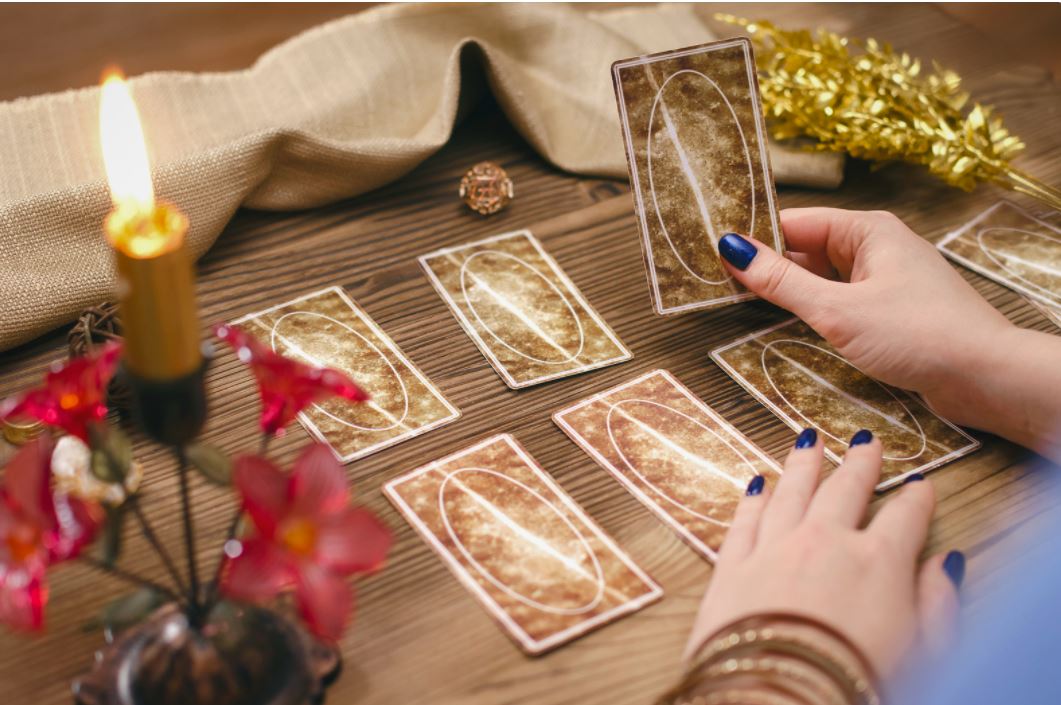 from Tarot Reading illustrates how digital platforms can enhance clarity with zoom features and interactive layouts. However, screens lack the tactile connection of paper. The weight of a deck in your hands, the shuffle of cards, the texture of the cards—these sensory experiences ground the reading in the physical world.
Printed lists or decks provide a tactile, meditative experience. They invite you to slow down, to hold the image, to trace its lines with your fingers. For those who value ritual, a printed list becomes part of a sacred practice. Consider hybrid approaches: use digital lists for quick reference, but print key images for meditation or journaling. This balance honors both speed and depth.
Common Pitfalls and How to Avoid Them
One of the biggest mistakes is over-reliance on the image alone, ignoring traditional meanings or intuitive nudges. A card might look beautiful, but if its traditional message doesn’t resonate, dig deeper. Ask why the image speaks to you differently. Is it a personal association, or are you projecting your own story onto it? Journaling your interpretations over time helps you distinguish between universal symbols and personal projections.
Another pitfall is assuming all images are universally interpreted the same way. Cultural context matters. A skeleton in Western tarot often symbolizes transformation, but in some traditions, it may represent death. Always consider the cultural and historical roots of the imagery. When in doubt, research the artist’s intent or the deck’s guidebook.
Conclusion
A Tarot List with Pictures is more than a collection of images—it’s a gateway to a richer, more intuitive practice. It transforms tarot from a static tool into a living dialogue, where every card is a story waiting to be told. By engaging with visuals, you tap into the brain’s innate ability to process emotion and meaning instantly, creating readings that resonate on a deeper level. Whether you’re drawn to the luminous symbols of the Unveil the Secrets deck, the classic elegance of Rider-Waite, or the bold minimalism of modern decks, the key is to let the images guide you. See the cards. Read the symbols. Trust your intuition. In the dance between image and meaning, the tarot reveals its deepest secrets—not in words, but in light and shadow, color and form. Let your visual journey begin.
FAQ
What is a Tarot List with Pictures?
A Tarot List with Pictures is a curated collection of tarot card images that enhance interpretation by providing visual context and emotional resonance.
How can images improve tarot readings?
Images engage the visual cortex, helping readers connect emotionally and intuitively with the cards, leading to deeper insights.
Leave a Reply